Raquel L Ostrovski


Fernando de Noronha, a UNESCO World Heritage Site and Marine Protected Area in the South Atlantic, is home to some of Brazil's most important shark and ray populations. Despite its ecological significance, current management plans for the marine park lack essential data on reproductive aspects for the local species, information that is critical for effective conservation.
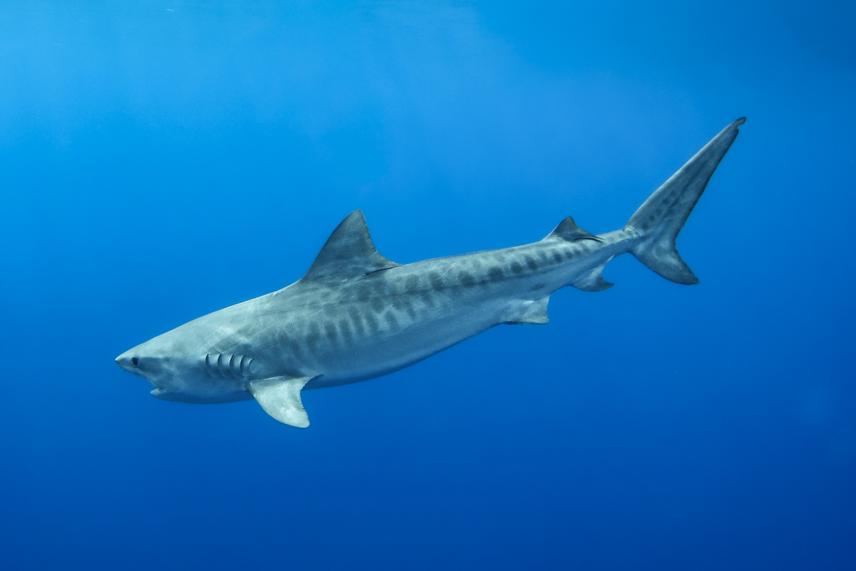
Tiger shark (Galeocerdo cuvier) immediately after being released from scientific capture (c) Rafael Mesquita
Supported by the Rufford Foundation, this project aims to investigate the reproductive biology of five threatened elasmobranch species around the archipelago: the Endangered Caribbean reef shark (Carcharhinus perezi), the Vulnerable lemon (Negaprion brevirostris) and nurse sharks (Ginglymostoma cirratum), the Near Threatened tiger shark (Galeocerdo cuvier), and Lutz's stingray (Hypanus berthalutzae), a species endemic to Brazil. Using drumline fishing, ultrasound imaging, and blood sampling, our project will investigate mating periods, pregnancy stages, litter sizes, and the presence of newborns and juveniles across two contrasting seasons. This will reveal whether the archipelago functions as a seasonal refuge where pregnant females and young sharks and rays can develop safely, away from fishing pressure and other threats.
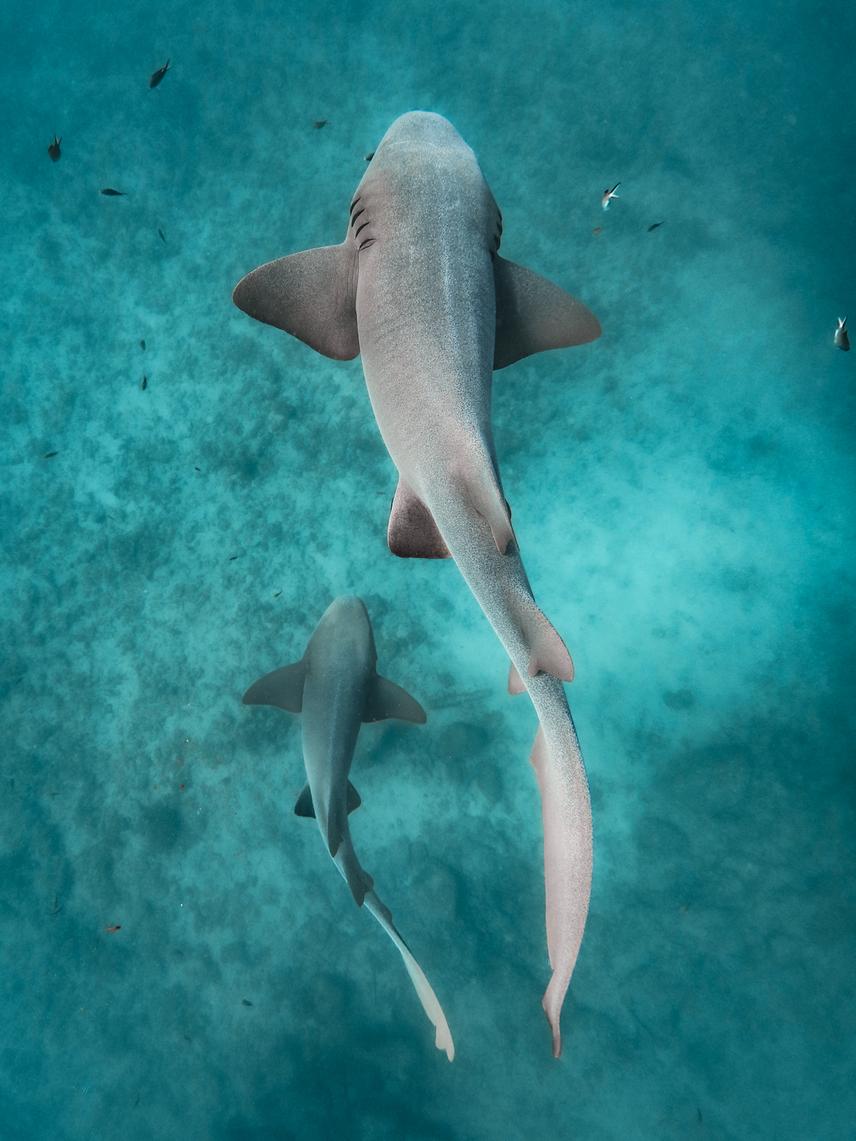
Nurse sharks (Ginglymostoma cirratum) commonly seen during water activities (c) Rafael Mesquita
Acoustic tracking, drone surveys, and habitat modelling will complement the fieldwork, mapping the specific areas most used by pregnant females, mating adults, and juveniles. Together, this will produce the first detailed picture of reproductive hotspots for these species in the region, providing the scientific evidence needed for local authorities, particularly ICMBio, to consider seasonal or spatial protections during the most vulnerable stages of these animals' lives.
Beyond the science, the project is deeply rooted in the local community. As conservation needs to be done both from the wildlife and the human point of view, we aim to understand the local population's perspective towards elasmobranchs, conducting local ecological knowledge baseline interviews to gather potential reproductive information observed by the locals throughout the year. Fishers, tour guides, divers, and residents will be involved throughout, from sharing their own knowledge of shark and ray behaviour to participating in workshops and outreach activities. Educational materials will be developed with local high school students and displayed at key tourist sites, helping visitors develop connections with these animals.
By connecting rigorous reproductive research with community engagement and policy dialogue, this project aims to secure long-term protection for some of the Atlantic's most vulnerable shark and ray populations, while strengthening local stewardship of Fernando de Noronha's marine environment for years to come.