Maria Luz Thomann


Other projects
6 Feb 2024
The Tapir as a Forest Ecosystem Engineer in the Southern Yungas Forests in Argentina

This project, “Protecting the giants of the Yungas: Ecology and conservation of the lowland tapir in north-western Argentina”, aims to strengthen the conservation of the lowland tapir Tapirus terrestris, a keystone and Vulnerable species, within El Rey National Park and its surrounding buffer zones in the southern Yungas ecoregion of Argentina. As the largest terrestrial mammal in South America, the tapir plays a fundamental role in forest regeneration through long-distance seed dispersal, particularly in ecosystems where other large frugivores have declined or disappeared. However, tapir populations in the Yungas are increasingly threatened by habitat loss, fragmentation, hunting and growing overlap with free-ranging and feral cattle.
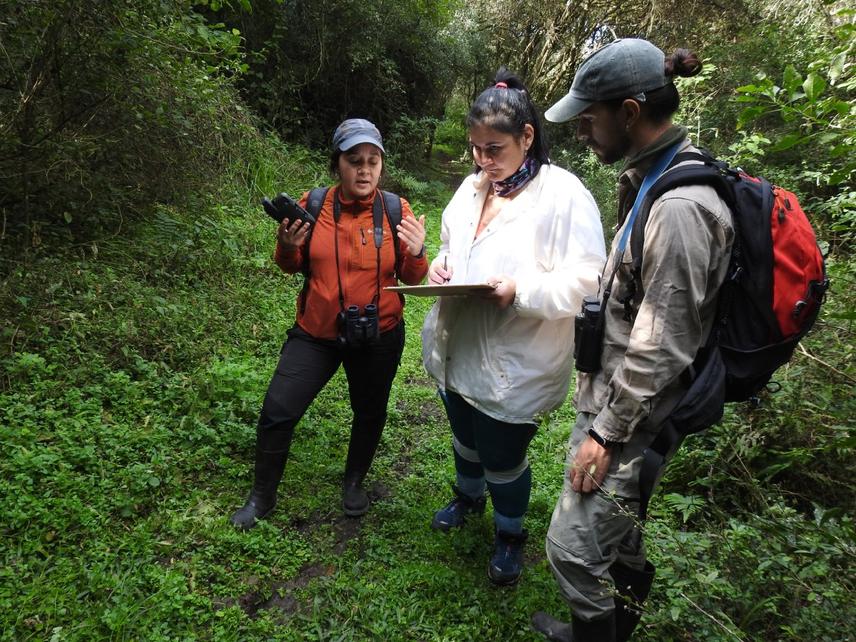
Luz Thormann and field assistants conducting tapir faeces sampling in El Rey National Park ©Ana Boggio
Building on the results of a previous Rufford-funded project, this second phase adopts an integrated ecological and social approach to address key knowledge gaps that currently limit effective conservation planning. The project combines field-based ecological research, spatial modelling and community engagement to generate applied information that directly supports management decisions and promotes coexistence between wildlife and human activities.
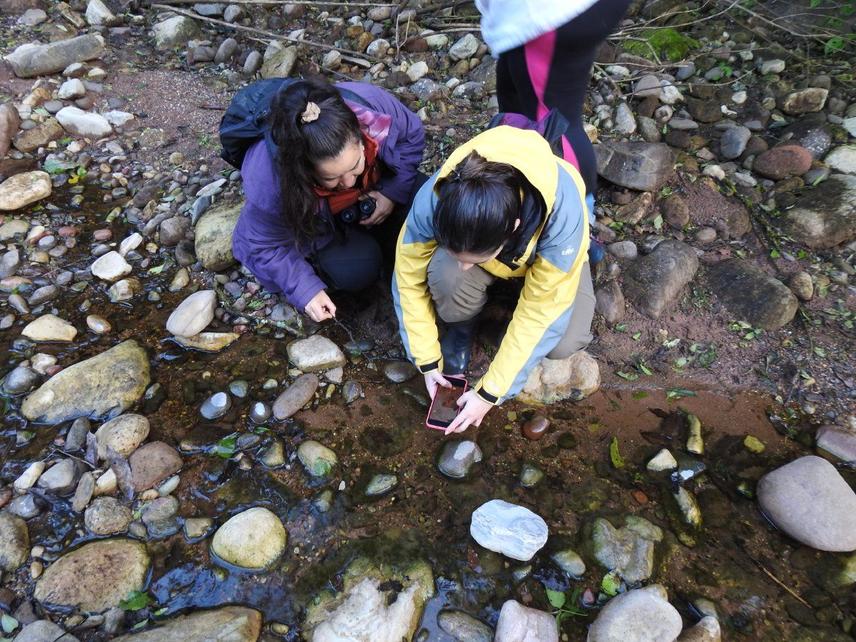
Ana Boggio taking photographs of tapir tracks ©Alberto Gonzalez Martin - copia - copia
Our main objectives of the project are: (1) to further characterize the diet of the lowland tapir and its seasonal variation by identifying key plant species consumed and assessing their availability in different habitats; (2) to evaluate the spatial and trophic overlap between tapirs and cattle in order to identify potential competition and areas of habitat degradation; (3) to develop Species Distribution Models (SDMs) that integrate ecological, spatial, and anthropogenic data to identify priority areas for tapir conservation, including zones outside formal protected boundaries; and (4) to assess local perceptions, knowledge and attitudes toward tapirs through interviews and outreach activities, fostering greater community involvement in conservation efforts.
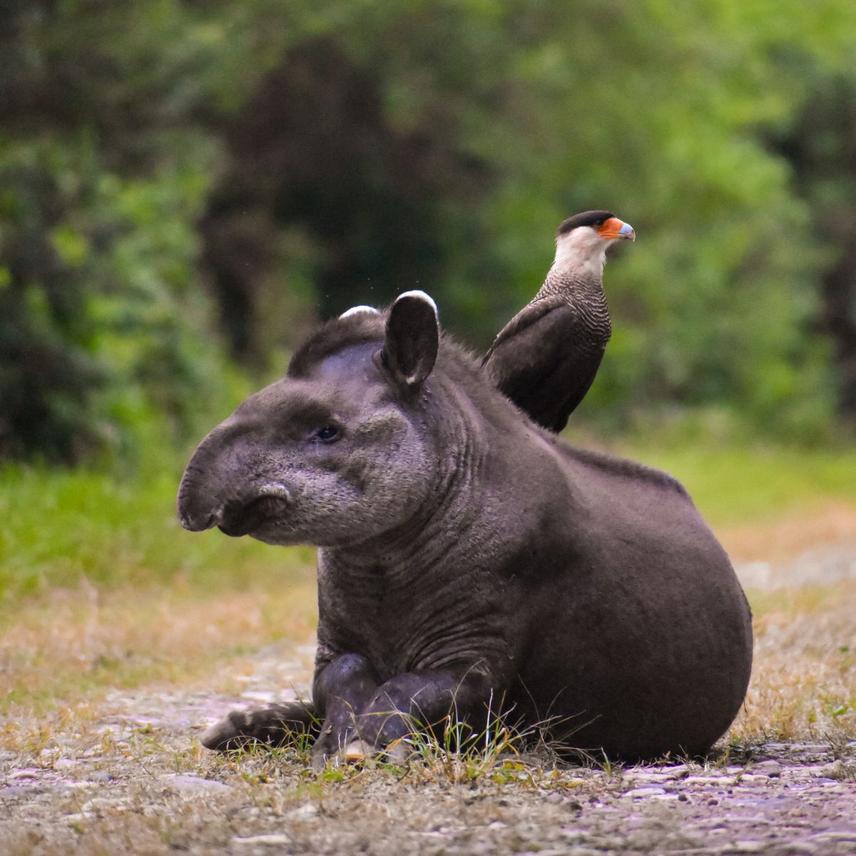
Tapirus terrestris with Caracara plancus in El Rey National Park © Alvaro Becerra
By integrating ecological data with social perspectives, the project seeks to produce practical management recommendations for park authorities, farmers and local institutions. These recommendations will support habitat protection, reduce potential conflicts, and enhance long-term conservation strategies for the tapir. Ultimately, our aims are not only to safeguard an emblematic species of the Yungas, but also to contribute to the conservation of a highly biodiverse and threatened ecosystem through science-based and socially inclusive conservation actions.