Virender Kumar


The Himalayas are a global biodiversity hotspot, supporting a wide range of endemic species adapted to high-altitude environments. Among these are two poorly understood pit vipers, Gloydius himalayanus and Gloydius chambensis, which inhabit fragile montane ecosystems across the Himalayas. These snakes survive in some of the harshest environments in the world, yet very little is known about their ecology, distribution, or conservation status.
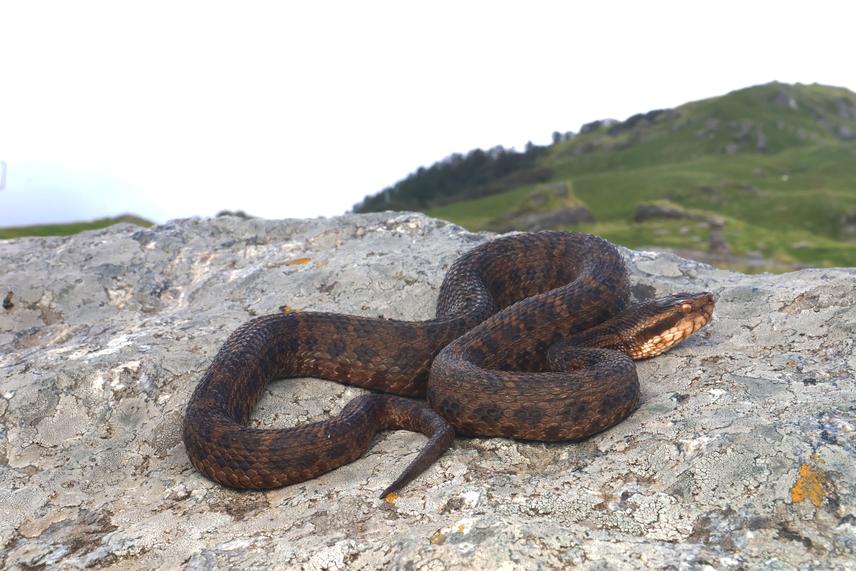
Gloydius himalayanus photographed in its natural habitat at Khaliya Top, Uttarakhand, India. © Virender K. Bhardwaj
As climate change, habitat degradation, and increasing human activities continue to alter Himalayan ecosystems, there is an urgent need to better understand how these species are being affected. The project will combine extensive field surveys, ecological niche modelling, and community engagement to better understand the distribution and habitat preferences of these species.
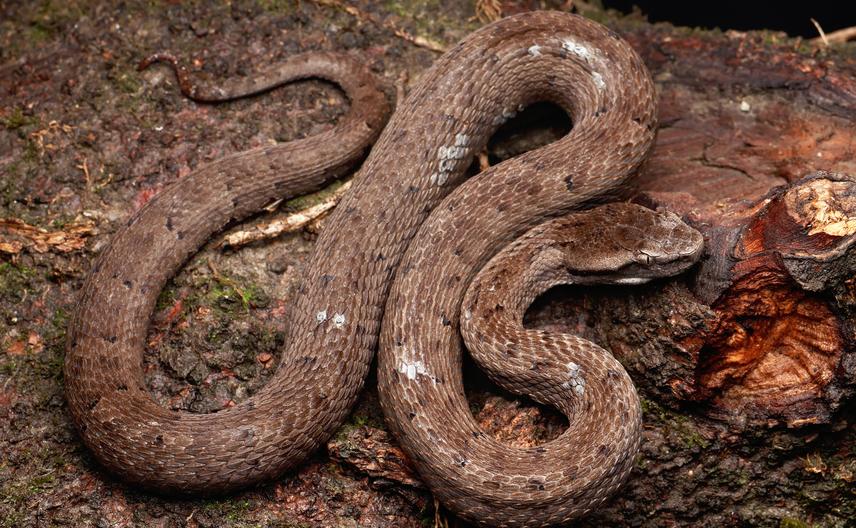
Gloydius chambensis photographed in Chamba district, Himachal Pradesh, India. © Virender K. Bhardwaj
Surveys will be conducted across suitable habitats in Himachal Pradesh and neighbouring Himalayan regions, with a focus on documenting occurrence records, altitudinal range, and microhabitat use. These data, together with climatic and environmental variables, will be used to model current and future habitat suitability under different climate change scenarios.
The study aims to identify potential climate refugia, habitat fragmentation patterns, and regions of conservation priority for both species. An important component of the project involves reassessing the conservation status of these pit vipers using IUCN Red List criteria. The findings will help determine whether current assessments accurately reflect their vulnerability, particularly in light of recent taxonomic discoveries suggesting cryptic diversity within Himalayan pit vipers.
The project will also document major threats, including habitat loss, road mortality, and human-snake conflict. The project also places strong emphasis on community engagement and awareness. Many local communities encounter these snakes near forests, farms, and grazing areas, where fear and misinformation often result in snakes being persecuted.
Through awareness workshops, educational materials, and interactions with students, local residents, and forest staff, the project aims to promote safe coexistence and appreciation for these often-overlooked reptiles. Through this project, I hope to contribute not only to the conservation of these unique snakes, but also to the long-term protection of the fragile mountain ecosystems they represent.