Rishi Ram Paudel


The Himalayan musk deer (Moschus leucogaster) is an endangered species listed on the IUCN Red List. Poaching for musk pods remains the primary cause of population decline across its range, further exacerbated by excessive fuelwood and fodder collection and intensive livestock grazing by local communities. These pressures have fragmented habitats into isolated patches, posing serious challenges to musk deer conservation. Such threats are evident in Dolpa district, home to Shey Phoksundo National Park, a protected area supporting wildlife conservation, livestock grazing, agriculture, ecotourism, and human settlements, while also serving as a critical musk deer habitat.
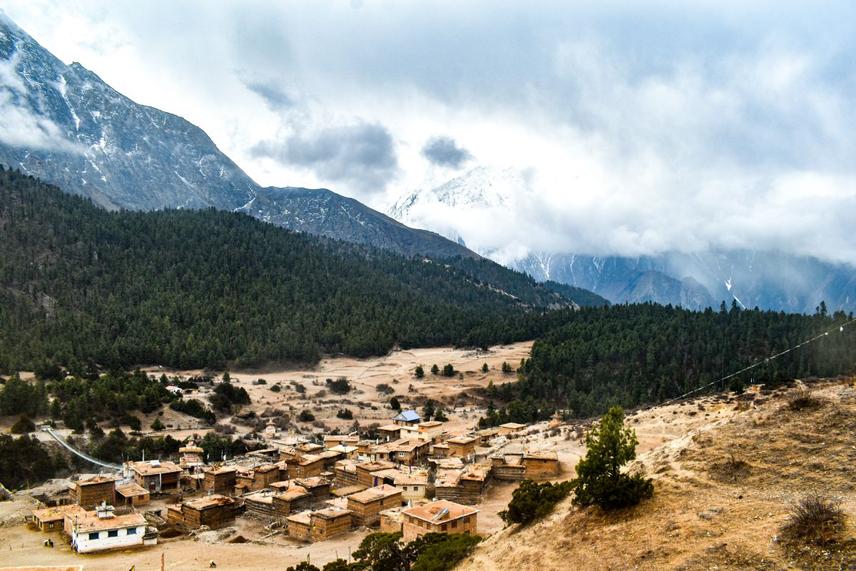
Rigmo Village, one of the small villages in Dolpa District within Shey Phoksundo National Park, and the surrounding musk deer habitat. © Rishi Ram Paudel
This project aims to establish baseline information on the status of musk deer, including density, distribution, and habitat use. It further aims to form a Musk Deer Conservation Committee, a locally led, science-based initiative for long-term monitoring and conservation of the species. It will reduce community dependence on core musk deer habitats through hands-on citizen-scientist training and regulated resource use in collaboration with community forest user groups, while also curbing poaching by strengthening conservation awareness.