Omar Sánchez Becerril


Other projects
6 Jul 2023
Assessment of Biological and Socioeconomic Effects in a Fishery Refuge Zone in Yucatan, Mexico

10 Mar 2025
Assessment of Biological and Socioeconomic Effects in a Fishery Refuge Zone in Yucatan, Mexico
Community-based Fishing Refuge Zones have become an important strategy for marine conservation in Mexico, yet their long-term effectiveness depends not only on ecological recovery but also on how local knowledge is recognised and incorporated into conservation processes. Building on three years of participatory research in the Celestun Fishing Refuge Zone, Yucatán, this project aims to improve conservation outcomes by integrating ecological monitoring with recognition equity and the co-production of ecological knowledge.
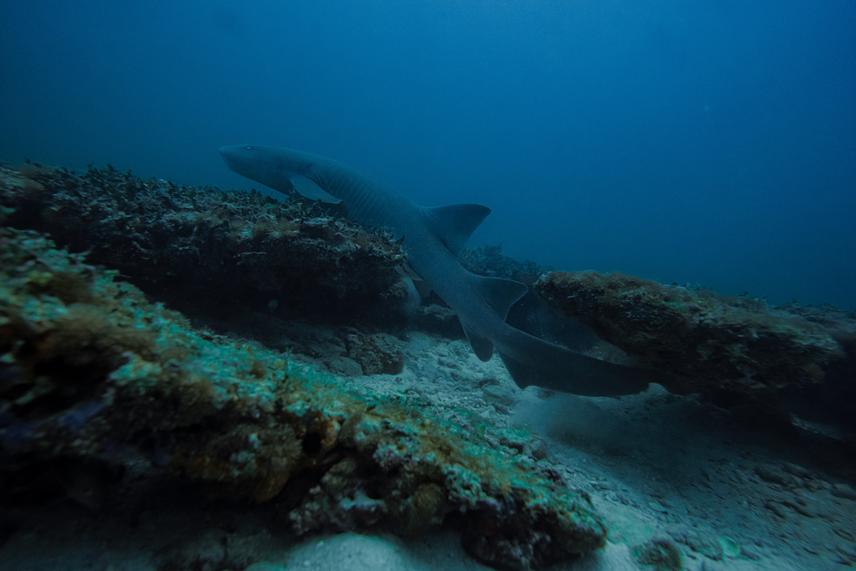
Nurse shark (Ginglymostoma cirratum) recorded within the Celestun Fishing Refuge Zone (FRZ) © Omar Sánchez Becerril
Through standardized underwater biodiversity surveys and participatory research with fishers and community divers, the project will evaluate biodiversity trends while examining how local ecological knowledge influences monitoring, decision-making, and adaptive management. Participatory mapping, interviews, and collaborative workshops will strengthen dialogue between researchers and local stakeholders, ensuring that scientific and community knowledge are jointly generated, interpreted, and applied to conservation challenges.
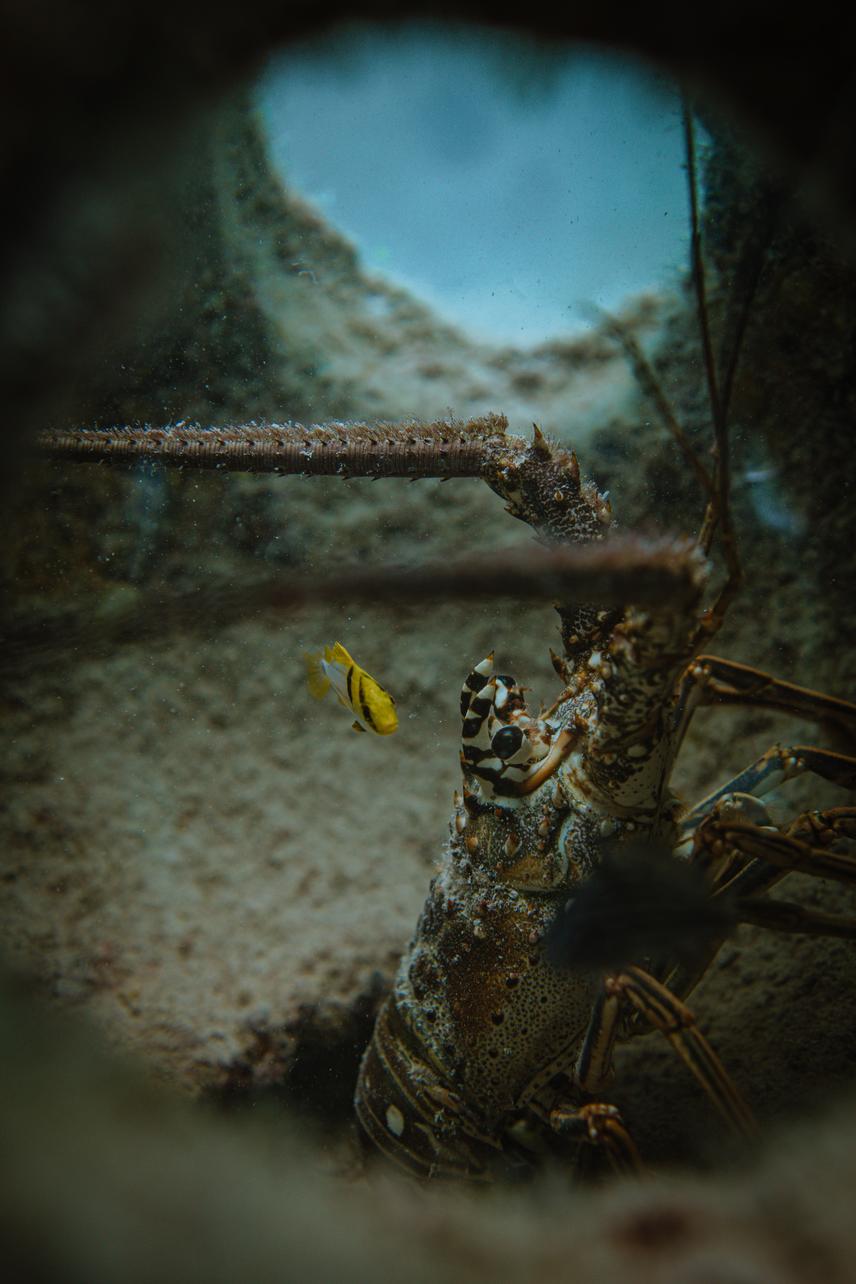
Caribbean spiny lobster (Panulirus argus) within the Celestun Fishing Refuge Zone (FRZ) © Omar Sánchez Becerril
By reinforcing inclusive governance and meaningful participation, the project seeks to improve the effectiveness, legitimacy, and long-term sustainability of the Fishing Refuge Zone while generating practical recommendations for community-based marine conservation. The findings will be shared with local stakeholders through meetings and outreach activities, and with the scientific community through peer-reviewed publications and conference presentations. Ultimately, this project aims to demonstrate that recognising and integrating diverse knowledge systems can strengthen biodiversity conservation and provide a replicable model for community-based fisheries management and marine conservation in Mexico and beyond.
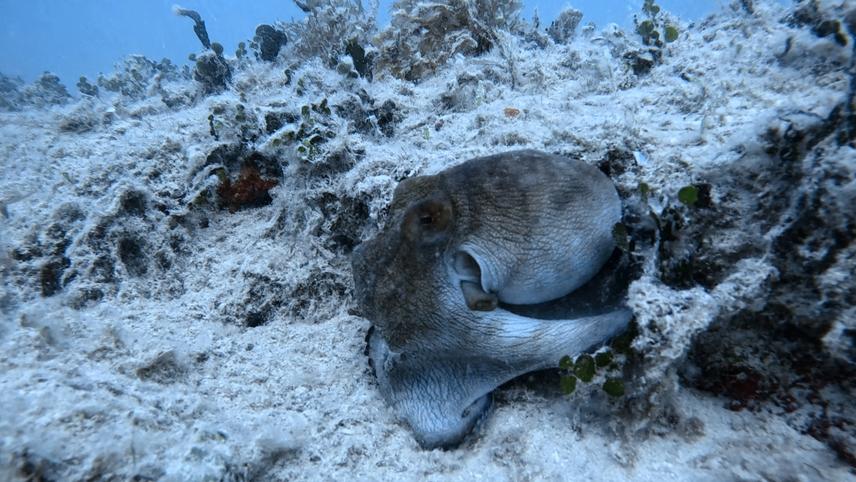
Red octopus (Octopus maya) recorded within the Celestun Fishing Refuge Zone (FRZ) © Omar Sánchez Becerril