Michelle Carpenter


Other projects
14 Dec 2020
Discovery of Critical Habitat for the Shortfin Devil Ray, Mobula kuhlii, in Southern Africa

This project aims to build local capacity for ocean conservation in the Aliwal Shoal Marine Protected Area (MPA), where awareness, access, and community involvement remain limited due to longstanding socioeconomic barriers. Despite the ecological importance of Aliwal Shoal, many local residents, particularly those from historically excluded and low-income communities, remain disconnected from the ocean and lack the resources, support, and skills needed to participate in conservation. This project addresses these gaps by creating meaningful, accessible pathways for local youth to engage with, understand, and protect their marine environment.
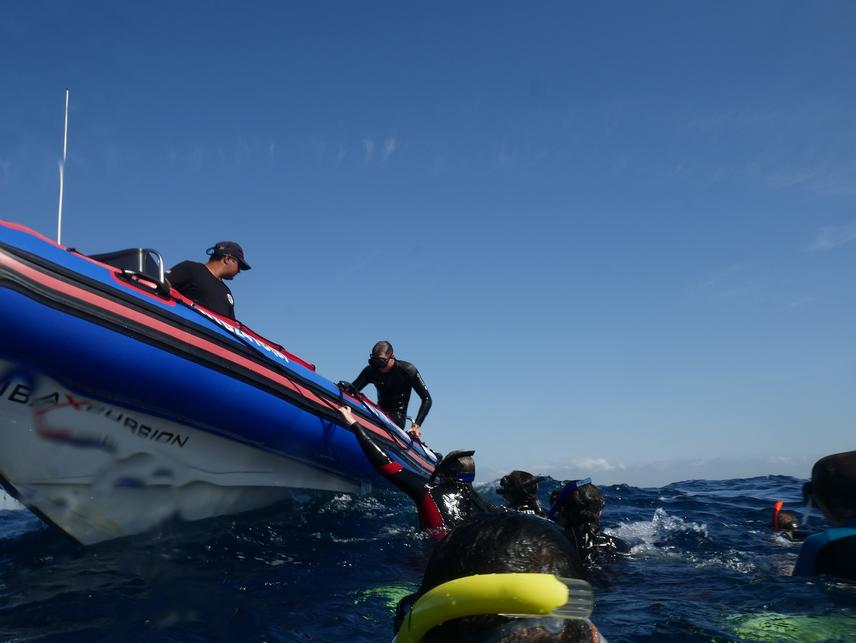
Children's snorkeling group. (c) Michelle Carpenter
The project combines school-based marine education, pool-based snorkel training, and guided ocean experiences led by a Zulu-speaking guide to ensure cultural and linguistic accessibility. These elements introduce young people to the Aliwal Shoal MPA in a safe, supportive, and inspiring way. We have already established relationships with several local schools, gaining trust and collaborative interest. Next steps include expanding school engagement, and ensuring that underserved communities receive priority access.
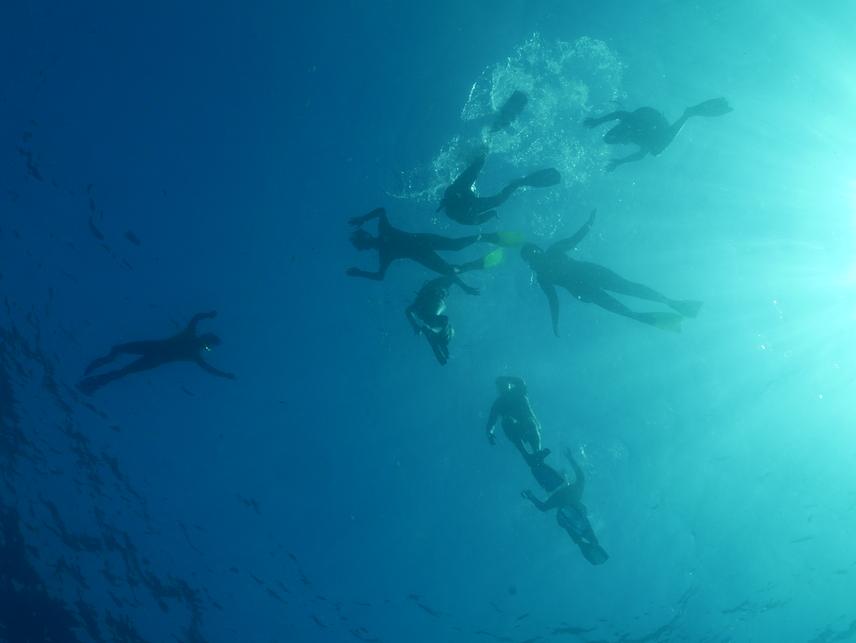
Childrens snorkeling group from underwater. (c) Michelle Carpenter
For older learners who show dedication and long-term interest, the project offers advanced opportunities including marine ecology short courses, scuba and freediving certifications, sponsored ocean dives, and internship-style placements. These activities equip students with practical conservation skills and open pathways toward careers in marine science, ecotourism, and environmental stewardship. This will ultimately create sustainable livelihoods tied to protecting the MPA.
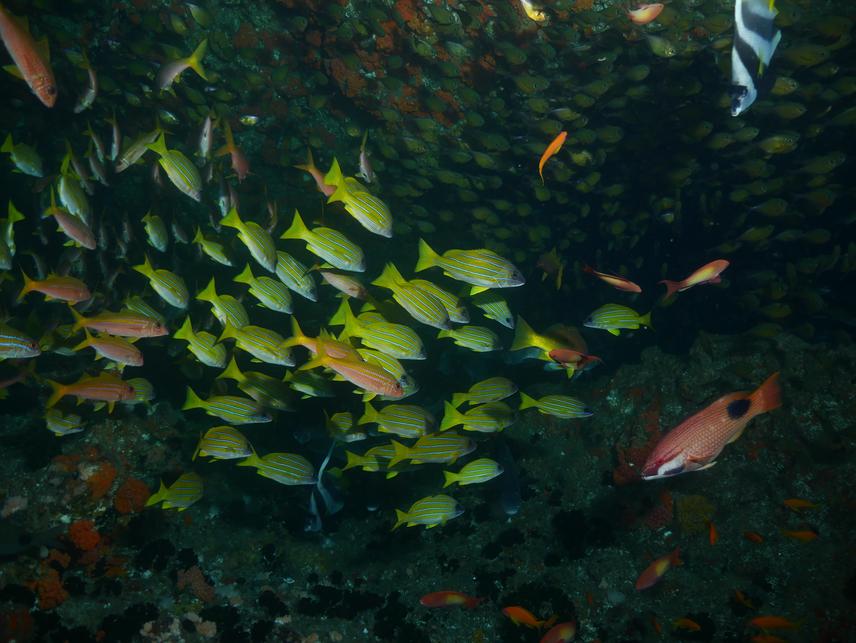
Aliwal Shoal Fish observed by the children. (c) Michelle Carpenter
In parallel, ongoing manta ray research will continue, with a focus on feeding ecology, building on previous Rufford support. Understanding what drives repeated feeding events at Aliwal Shoal will contribute to stronger science-based protection and improved management of this key species and habitat.
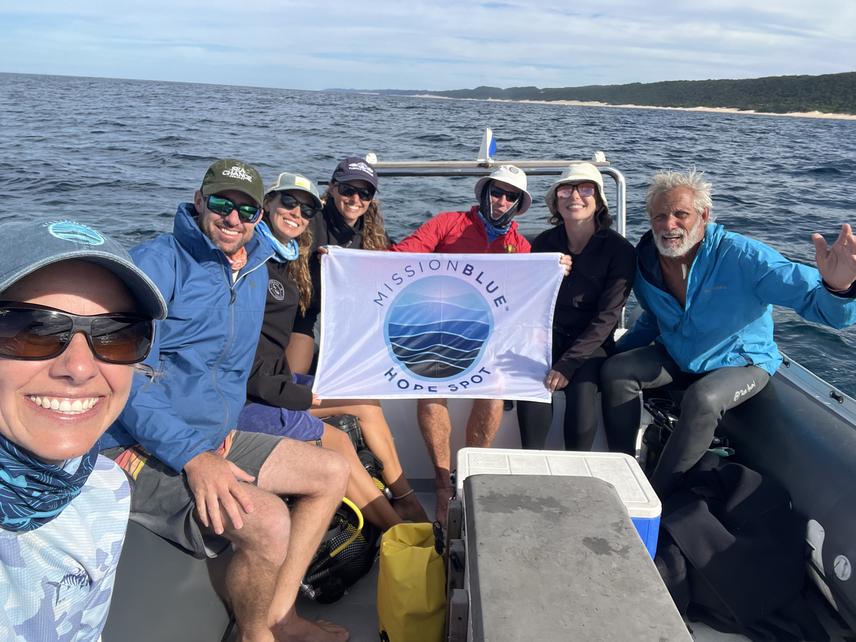
The IWP Field Research Team (c) Dr Tessa Hempson
By addressing socioeconomic barriers, expanding access, and supporting youth as future conservation leaders, this project strengthens long-term community participation in safeguarding Aliwal Shoal. It builds directly on the momentum created by two previous Rufford Grants, advancing both scientific understanding and community-driven conservation. Ultimately, the project aims to develop a more inclusive, empowered, and environmentally connected generation of local guardians who will play a central role in protecting the MPA for years to come.