Larissa Teixeira


Serra do Capivari is one of the mountains of Serra do Mar mountain range, southern Brazil. It is located in the Atlantic Rainforest, one of the world’s most threatened biodiversity hotspots. Its pronounced altitudinal gradients and microclimatic variation creates a mosaic of forests and grassland habitats, which may foster ecological specialization and high levels of endemism. However, the area is one of the most susceptible to anthropogenic impacts within the Serra do Mar, threatened by recurrent fires, uncontrolled tourism, climate change, and changes in land use.
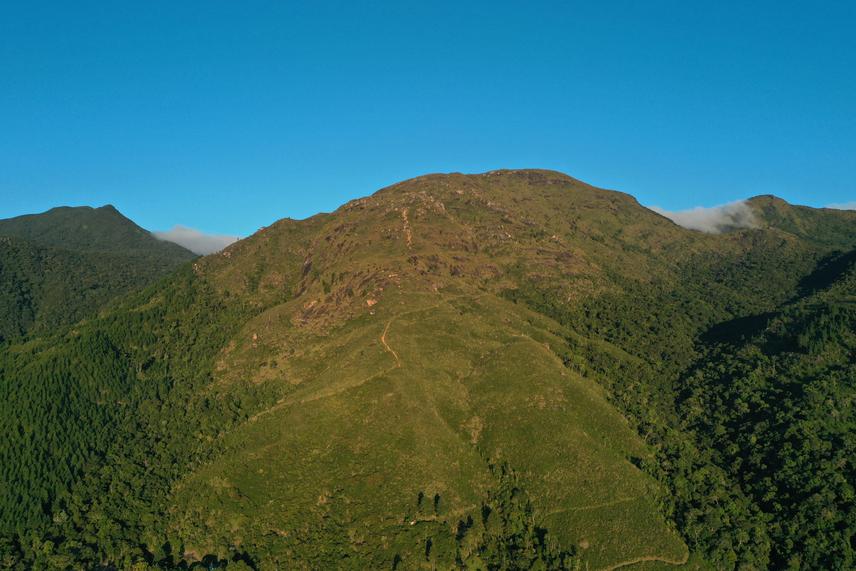
Area of study - Serra do Capivari, located in Campina Grande do Sul and Antonina municipality, Paraná state, southern Brazil. © Larissa Teixeira.
The project focuses on terrestrial gastropods (land snails and slugs), one of the least studied animal groups in Brazil. Despite their ecological importance and vulnerability to extinction, they remain poorly understood, particularly in biodiverse regions such as the Atlantic Rainforest. These organisms are characterised by low dispersal ability and strict microhabitat requirements, making them especially sensitive to habitat loss, climate change, pollution, fire, and other anthropogenic disturbances. Consequently, many species face a high risk of extirpation or extinction, before their diversity and ecological roles are documented.
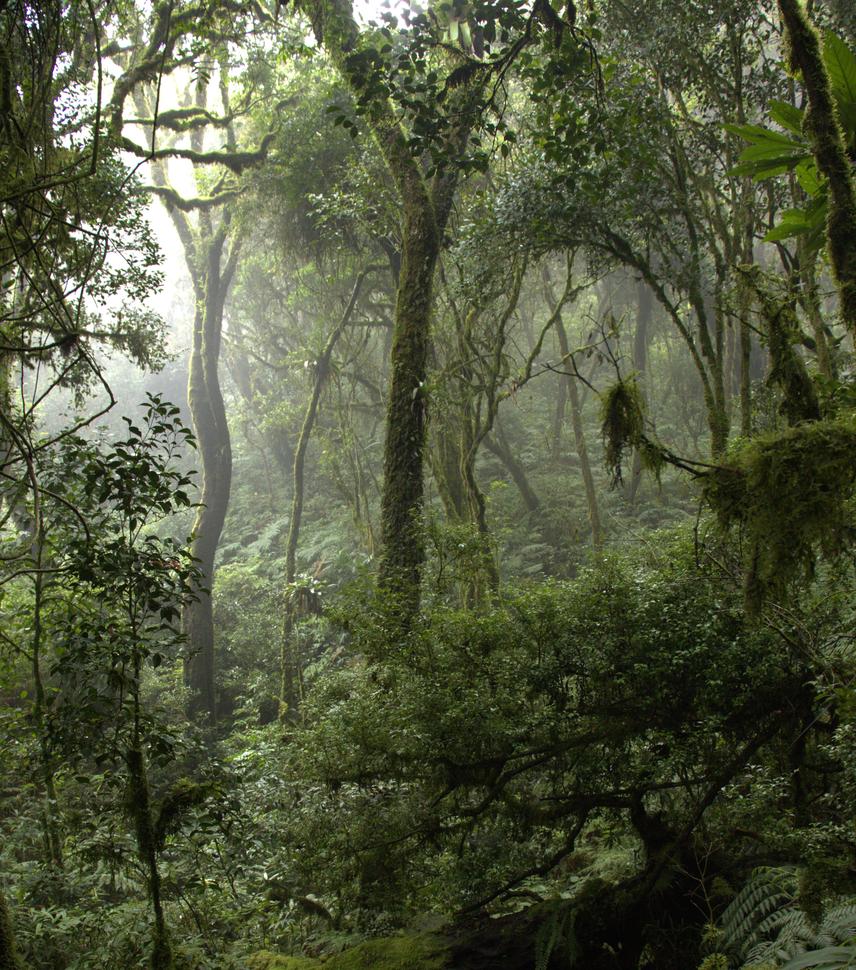
Cloud forest of Serra do Capivari, Campina Grande do Sul and Antonina municipality, Paraná state, southern Brazil. © Andre F. Leite
Only a small fraction of Brazilian terrestrial gastropod species has been assessed for extinction risk, and most assessed taxa are classified as "Data Deficient" because of limited information on their distribution, population size, and ecology. This gap is particularly concerning, since undocumented areas such as the mountains of Serra do Mar, can act as refuges for endemic and potentially microendemic species.
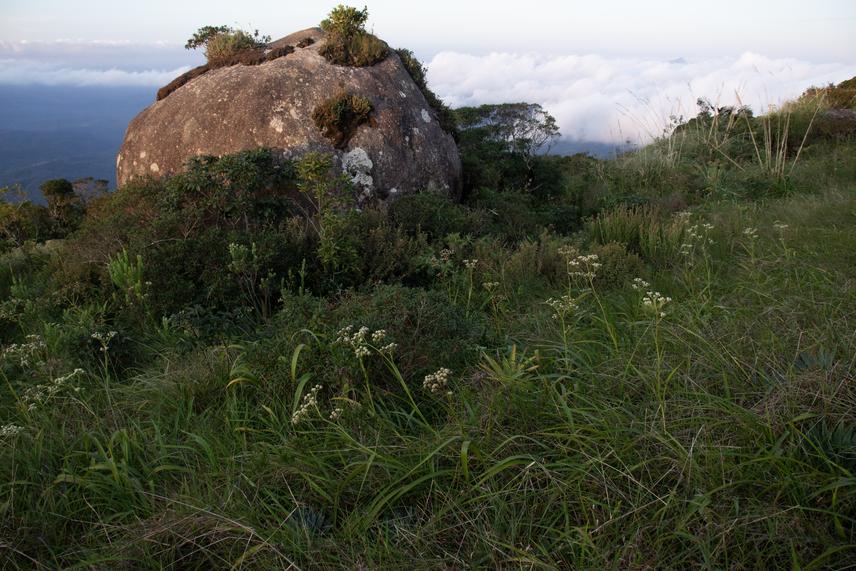
High-altitude grassland of Serra do Capivari, Campina Grande do Sul and Antonina municipality, Paraná state, southern Brazil. © Larissa Teixeira
The project aims to generate the first ecological and conservation data on terrestrial gastropods in Serra do Capivari, to support biodiversity conservation and management. Our objectives are to: 1) Record species richness and distribution along altitudinal gradients in forest and grassland habitats; 2) Integrate morphological and DNA data for accurate species identification and detect cryptic taxa; 3) Estimate population density and occupancy to understand habitat use and environmental responses; and 4) Identify conservation priorities and provide data for extinction risk assessments and educational outreach.
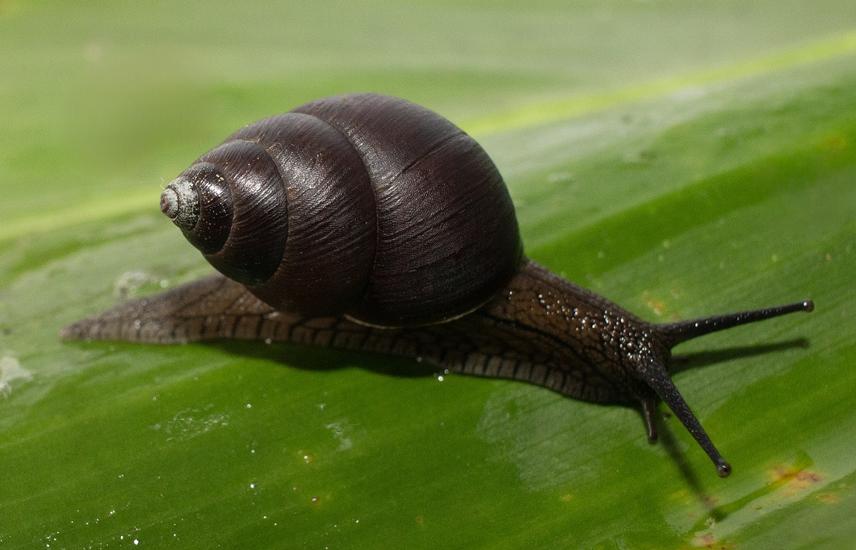
Individual of Aposcutalus atlanticus, one of the terrestrial gastropod species that inhabit Serra do Capivari cloud forest and high-altitude grasslands. © Larissa Teixeira
The project also seeks to strengthen dialogue with local communities, mountaineers, and environmental institutions by sharing biodiversity information and encouraging discussions on the conservation of mountains and their ecosystem services. Through educational outreach, we will promote this dialogue through exhibitions, an illustrated catalogue of local terrestrial gastropods to be distributed in schools and citizen science activies. The results are expected to provide baseline information for future conservation initiatives and management discussions involving Atlantic Rainforest mountain habitats and their endemic terrestrial gastropod fauna.