Juan Ignacio Urcola


Tiger beetles (Coleoptera: Cicindelidae) are among the most charismatic and highly specialised insect predators. Because many species depend on very specific habitats, they are highly sensitive to environmental change and can serve as valuable indicators of ecosystem health. Despite this, relatively little is known about the conservation status of tiger beetles in South America, and very few species have been formally assessed or evaluated across the region.
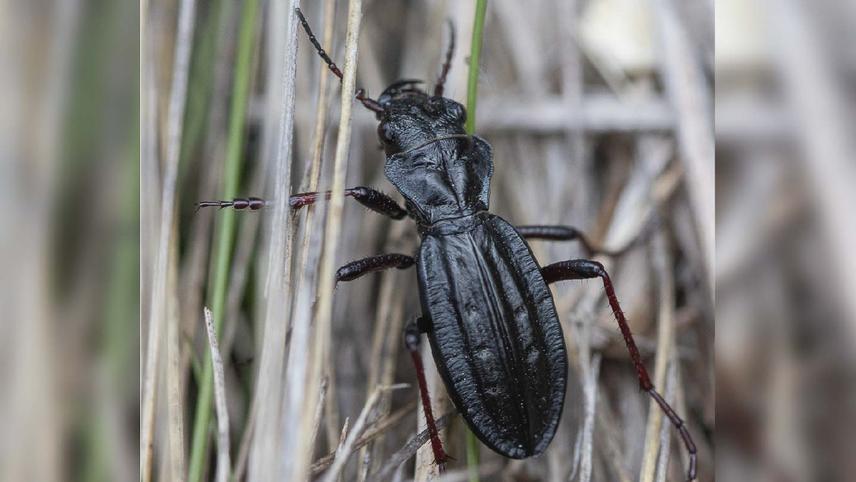
Adult of Picnochile fallaciosa, an endemic Patagonian tiger beetle and the focus of this conservation project. © Sebastián Saiter
One of the most remarkable species is Picnochile fallaciosa, the southernmost tiger beetle in the world and the only member of its family known to inhabit harsh sub-Antarctic environments. This species is restricted to the Patagonian steppe and northern Tierra del Fuego, where it occupies specialised habitats that may be increasingly affected by climate change, overgrazing, habitat degradation, and invasive species. However, fundamental information on its distribution, habitat requirements, and conservation status remains largely unknown.
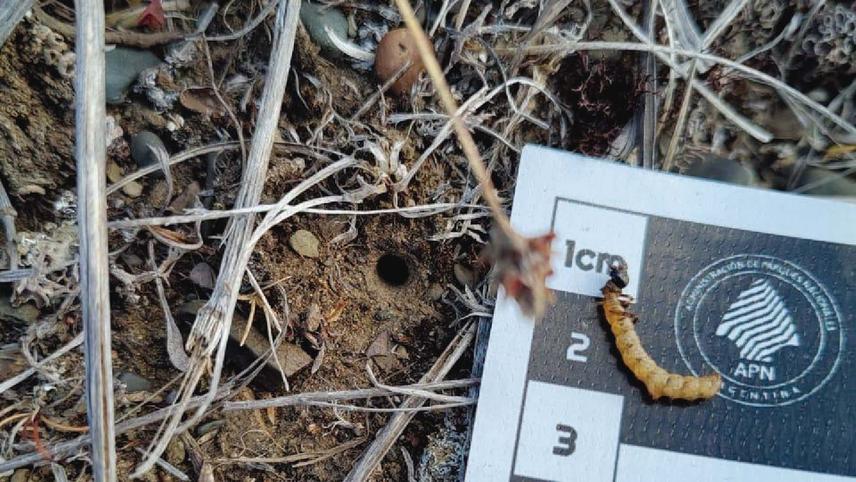
Larval burrow of Picnochile fallaciosa and a larva extracted from its gallery during preliminary research that provided the basis for this conservation project. © Francisco Sola
This project will provide the first field-based conservation assessment of P. fallaciosa. Through surveys across southern Patagonia, we will search for new populations, verify historical records, and identify the environmental conditions required by both larvae and adults. Particular attention will be given to larval habitats, which are essential for understanding population persistence and responses to ongoing environmental change.
In addition to field research, the project will actively promote citizen science through workshops with schools, local communities, and protected area staff. Participants will learn how to identify the species and contribute records through iNaturalist, helping to strengthen biodiversity monitoring in remote areas of Patagonia.
The information gathered will be used to evaluate the species under IUCN Red List criteria and to produce a regional conservation assessment for P. fallaciosa. By identifying priority areas for conservation and generating essential ecological data, the project will contribute to the protection of Patagonia’s steppe ecosystems while raising awareness of the importance of insect conservation and biodiversity.