María Flavia Caruso


Other projects
22 May 2014
The Impact of Local People’s Attitudes and Perceptions of Protected Areas on the Conservation of Jaguar (Panthera onca) In North-Western Argentina

12 May 2016
The Impact of Local People’s Attitudes and Perceptions of Protected Areas on the Conservation of Jaguar (Panthera onca) in Midwest and Northeast Argentinian
8 Feb 2019
Availability and Connectivity of Habitat for Jaguar (Panthera onca) between Baritú National Park (Argentina) and Tariquía National Reserve (Bolivia)
18 Oct 2021
Mammal Population Dynamics, Connectivity, Prevention and Control of Transboundary Wildlife Trade in the Yungas
As a conservation biologist working in northwestern Argentina, I am committed to advancing a regional conservation agenda that goes beyond political borders and strengthens collective action for jaguar protection. In the shared landscape between Argentina, Bolivia and Paraguay, jaguars still persist in an ecologically continuous region facing increasing pressure from habitat loss, expanding production systems and institutional fragmentation. Yet conservation responses do not always reflect this ecological reality.
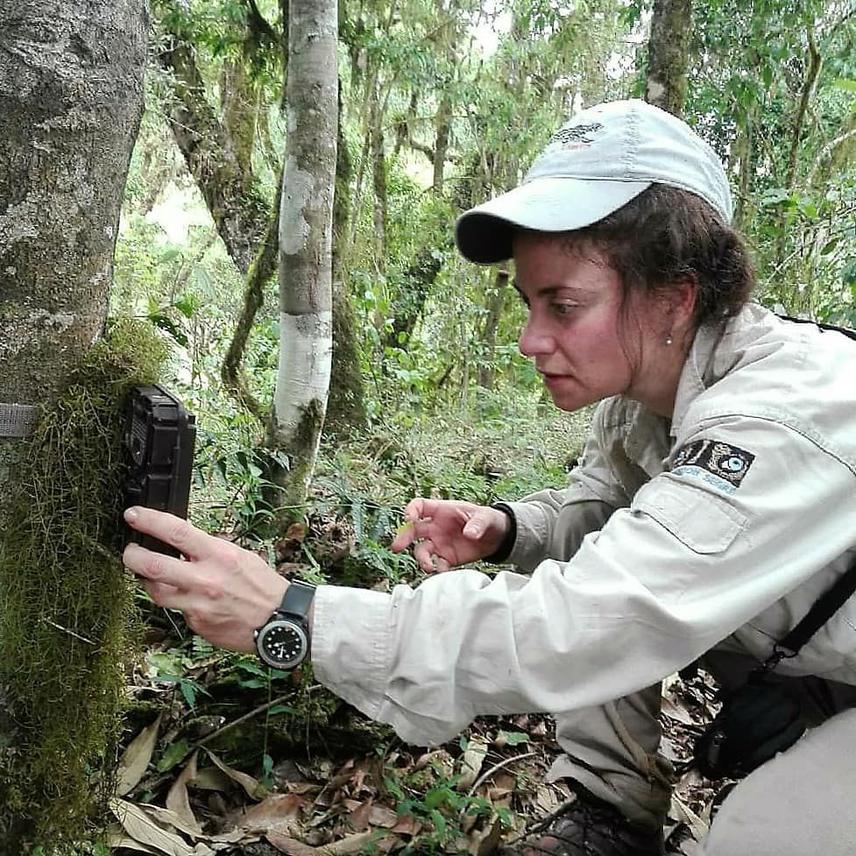
Camera trap © María Flavia Caruso
The Triple Frontier represents a strategic connectivity node linking the Chaco and Yungas ecosystems — both essential for the long-term survival of jaguars in the Southern Cone. Through this initiative, we are leading an integrated approach that combines scientific research, strengthened regional coordination and active community engagement.
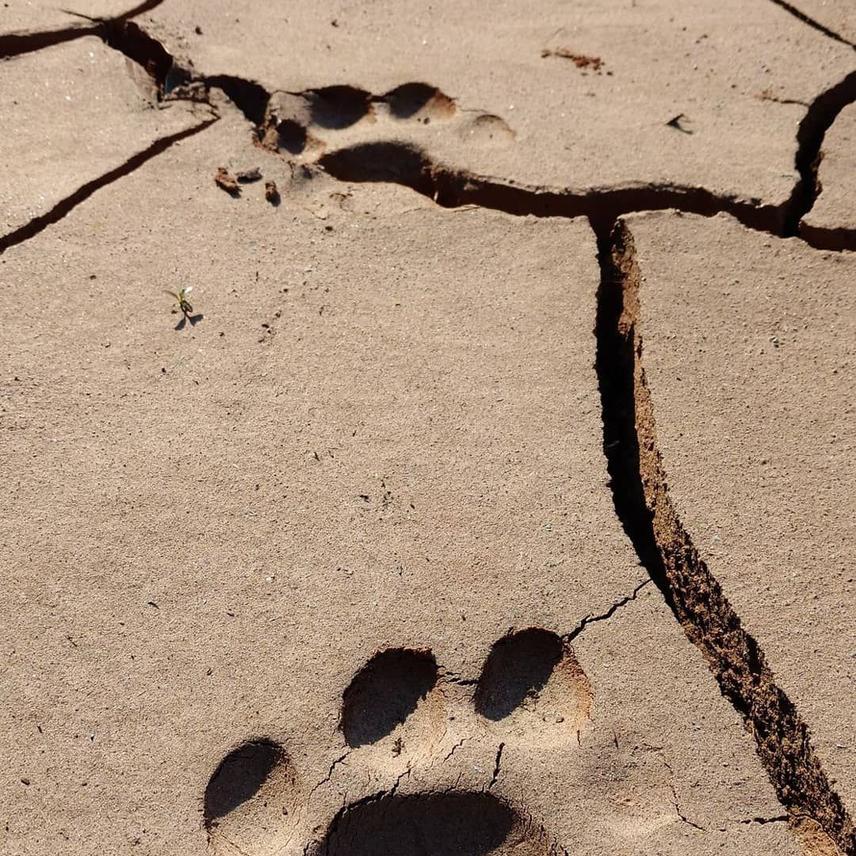
Jaguar footprint study area © María Flavia Caruso
Using camera traps and participatory interviews, we will generate updated data on jaguar and prey presence and identify priority areas of functional connectivity and key sites that maintain landscape continuity across borders.
At the same time, we will facilitate trinational dialogue platforms bringing together communities, protected area managers, authorities and civil society organisations. These spaces will strengthen cooperation, reduce conflict and consolidate a shared conservation vision in this ecologically connected
territory.
The project will also promote low-impact economic alternatives, including nature-based tourism and sustainable production practices, linking biodiversity conservation with local well-being.
I firmly believe that jaguar conservation in the Triple Frontier can become a model of regional cooperation in Latin America. Protecting this iconic species is not only about safeguarding biodiversity — it is about building bridges between nations, strengthening local leadership and consolidating lasting partnerships. I am convinced that collaboration is the most powerful tool for securing the long-term conservation of species and landscapes.