Damian Marcelo Fortunato

This project aims to investigate the spatio-temporal patterns of wildlife roadkill, with emphasis on amphibians and reptiles, across the Pampas grasslands of Buenos Aires Province, Argentina. Road infrastructure increasingly threatens biodiversity in the region, yet the lack of systematic data limits effective mitigation planning. Through standardized field surveys covering more than 1,400 km of provincial and rural roads, the project will document roadkill incidents, identify hotspots, and evaluate environmental and temporal factors associated with mortality.
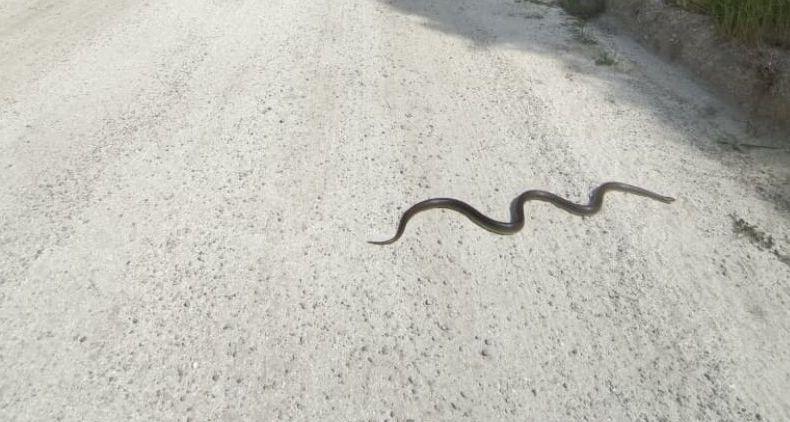
Brown snake (Paraphimophis rusticus) crossing the road. © Damián Fortunato
The study will employ kernel density estimation and complementary GIS analyses to map spatial hotspots and detect high-risk periods. These insights will inform authorities and conservation organizations about priority areas for intervention. While the core focus is on herpetofauna, the project will also incorporate opportunistic records of other vertebrate groups, following recommendations from the review panel. This broader dataset will enrich ecological understanding and strengthen mitigation proposals.
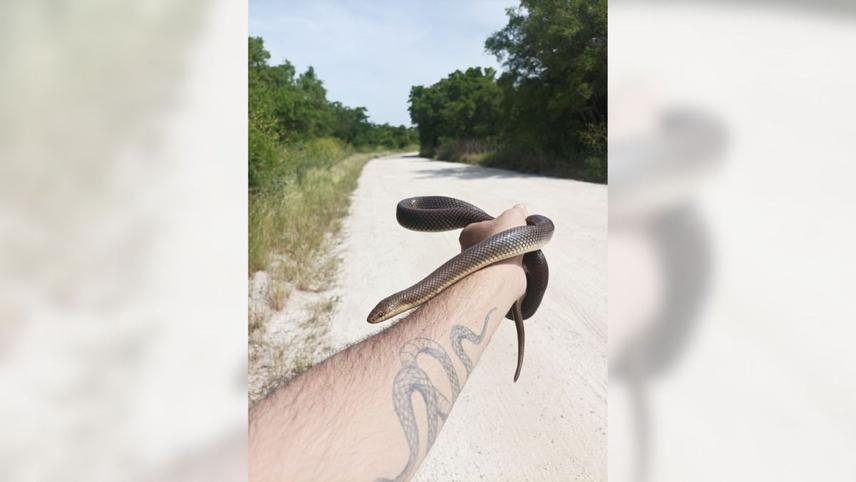
Snakes rescued on the road. © Damián Fortunato
Community engagement is a key component of this project. Workshops will be held in local towns to raise awareness, promote wildlife reporting, and encourage participation in citizen science initiatives. Outreach materials including posters, brochures, and digital media will support educational efforts and foster a conservation ethic among drivers, residents, and authorities.
Results will be shared through technical reports, public presentations, and scientific publications. By producing robust ecological data and strengthening ties between researchers, government agencies, and local communities, this project seeks to reduce wildlife mortality, improve habitat connectivity, and contribute to evidence-based conservation planning in one of Argentina’s most impacted yet biologically important landscapes.