Dalie Sylvestre Gagbe


This project will be implemented in the Mount Nimba landscape in Côte d'Ivoire, encompassing the Mount Nimba Strict Nature Reserve and the surrounding forest mosaic. The site forms part of a transboundary mountain ecosystem shared by Côte d'Ivoire, Guinea and Liberia, and is internationally recognised as a global biodiversity hotspot and Key Biodiversity Area due to its exceptional species richness and endemism.
However, this unique landscape faces increasing threats from human activities, including agricultural expansion, artisanal mining, logging and habitat fragmentation. These threats are particularly severe in unprotected areas, where human activities are progressively encroaching on forest habitats. Consequently, many forest-dependent species, including small mammals, are increasingly vulnerable yet remain poorly documented and often overlooked in conservation planning.
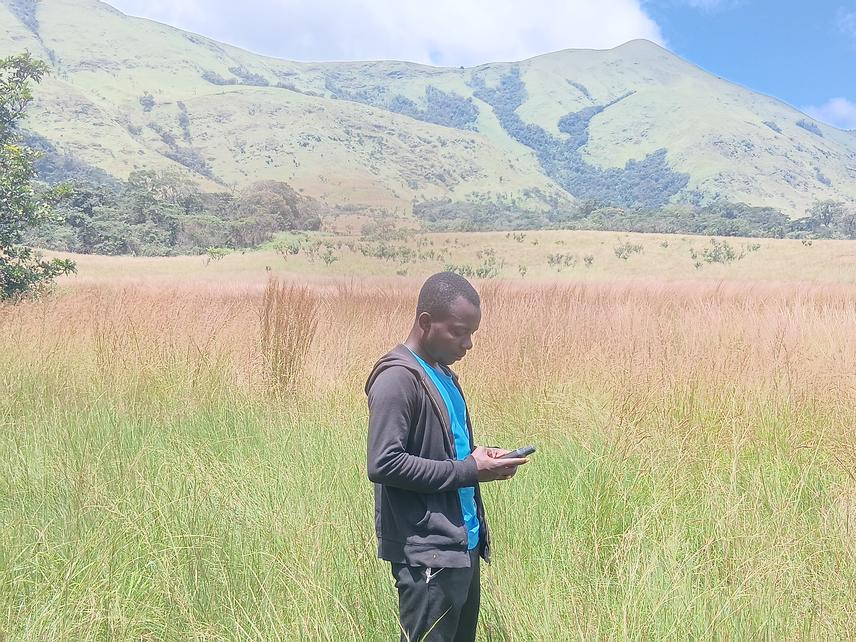
Recording GPS coordinates at a small mammal trapping site in the montane grasslands of Mount Nimba, Côte d’Ivoire © Dalie Sylvestre Gagbe
Small mammals, particularly rodents and shrews, play essential ecological roles in forest ecosystems, contributing to seed dispersal, soil processes and food-web dynamics. Despite their ecological importance, their diversity, distribution and habitat requirements remain poorly understood in the Mount Nimba landscape, particularly on the Ivorian side.
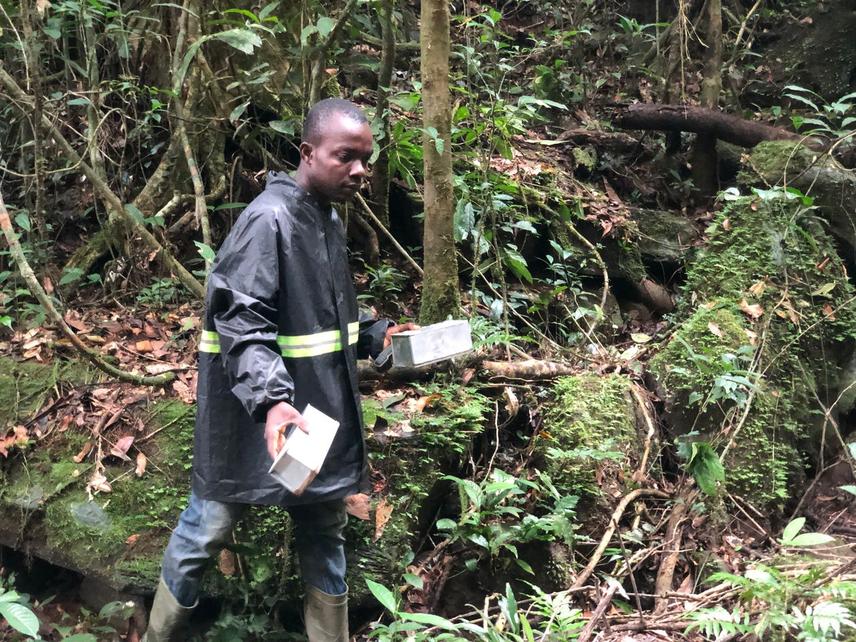
The team leader during the installation of Sherman live traps along a sampling transect in the primary rainforest of Mount Nimba, Côte d'Ivoire © Dalie Sylvestre Gagbe
Recent research has revealed significant cryptic diversity across the Upper Guinean Forest region, with new species still being identified in the Guinean forest block and isolated mountain systems such as Mount Nimba. Given the massif's ecological isolation and habitat diversity, it may harbour undescribed species or unique evolutionary lineages. However, the lack of baseline data from the Ivorian sector represents a critical knowledge gap, limiting effective, evidence-based conservation planning and management. This gap is further compounded by local hunting and consumption of small mammals associated with cultural and subsistence practices, potentially placing additional pressure on vulnerable populations.
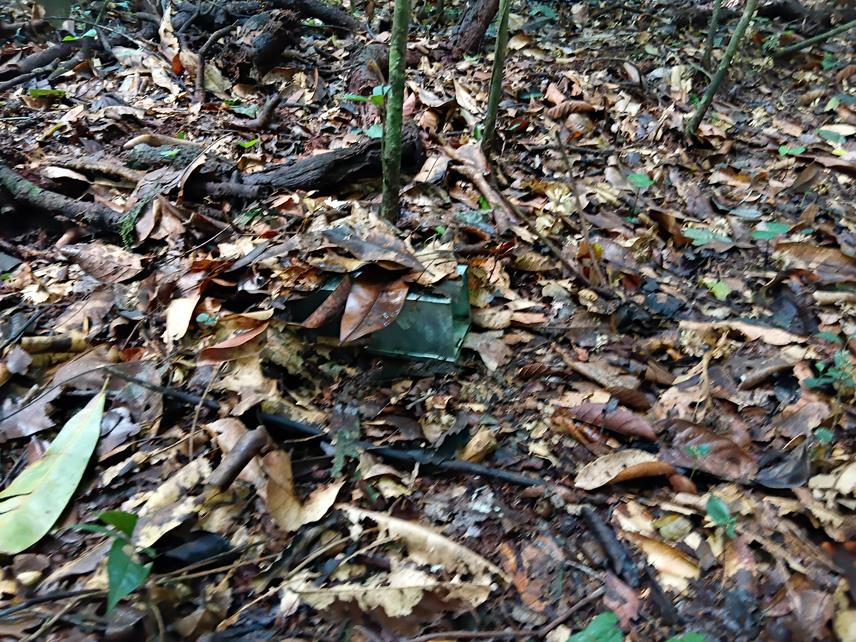
A Sherman live trap set along a sampling transect, camouflaged beneath the leaf litter in the Mount Nimba forest, Côte d’Ivoire © Dalie Sylvestre Gagbe
This project will address these challenges by combining systematic small mammal surveys with community engagement. Standardised field surveys will assess species diversity, abundance, distribution and habitat associations across major habitat types and disturbance levels. The resulting data will support the identification and mapping of priority habitats and areas of high conservation importance within and around the reserve. In parallel, community awareness activities will promote understanding of the ecological importance of small mammals, biodiversity conservation and sustainable natural resource use.
By generating robust scientific evidence and linking it directly to community-based conservation, this project will strengthen knowledge, inform habitat protection and support evidence-based management decisions. It will contribute to safeguarding threatened and poorly known small mammal species, strengthening local conservation capacity and supporting long-term efforts to protect Mount Nimba, one of West Africa's most important and threatened biodiversity hotspots.