Sushanth S

Non-volant small mammals constitute a little over 50% of all mammalian taxa (Burgin et al. 2018) and remain among the least studied and understood group of mammals, despite their ecological importance and role in ecosystem functioning through seed dispersal, invertebrate population regulation, soil aeration, serving as prey and also as key indicators of habitat quality (Vander Wall 2010; Lacher et al.
2019). This project, being carried out in the Nelliyampathy Hills, aims to evaluate the influence of managed landscape components such as plantation mosaics and recovering forest patches, on non-volant small mammal diversity and species composition. By examining their responses to variations in vegetation structure and habitat recovery, the study seeks to offer critical insights into patterns of
recolonisation processes across temporal scales.
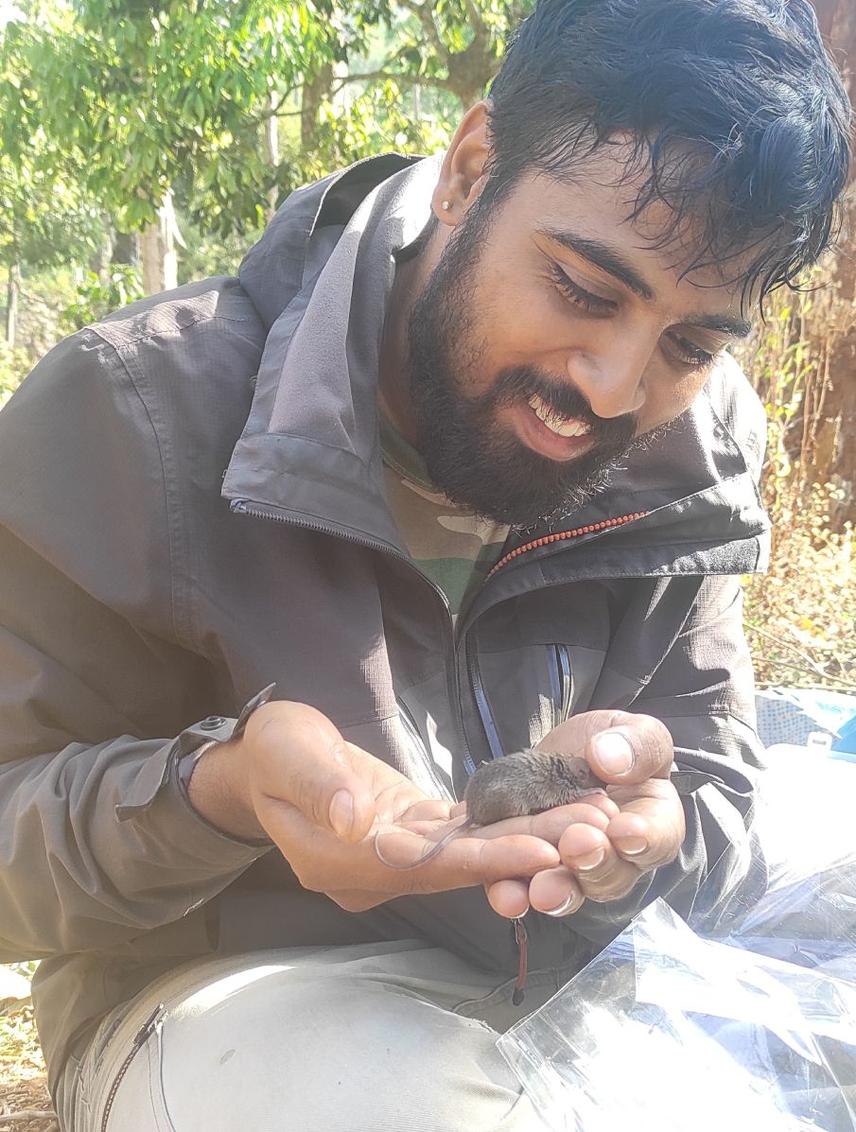
Handling a Little Indian field mouse Mus booduga © Nikhil Mahji
The study also aims to provide insight into compositional shifts, species turnover, and functional recovery in such recovering landscapes. The findings will help in explaining how habitat attributes, influence non-volant small mammal assemblage dynamics and to what extent these modified landscapes can sustain faunal recovery and associated ecosystem services. Ultimately, this study offers a comprehensive evaluation of recolonization mechanisms, contributing to evidence-based strategies for biodiversity conservation and landscape restoration in forested ecosystems undergoing recovery.
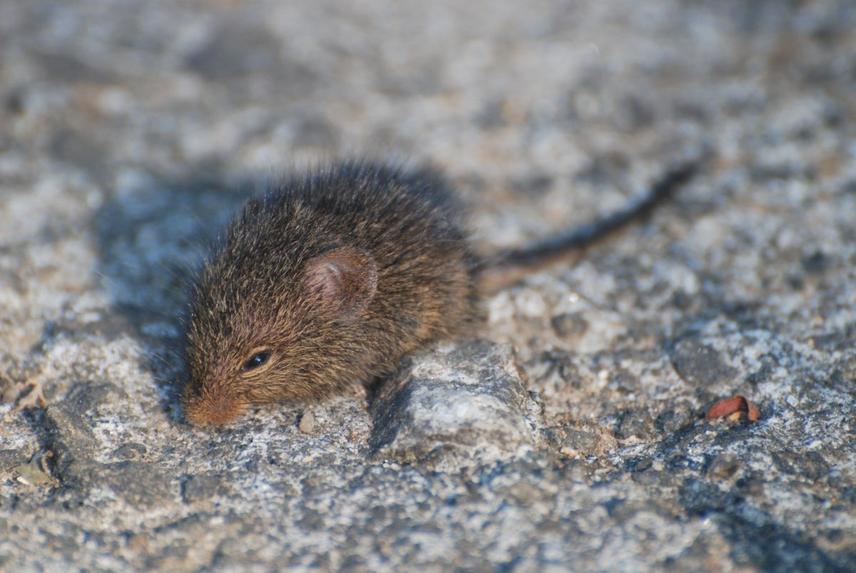
An Indian Bush-rat Golunda ellioti captured by Sherman trapping © Sushanth S
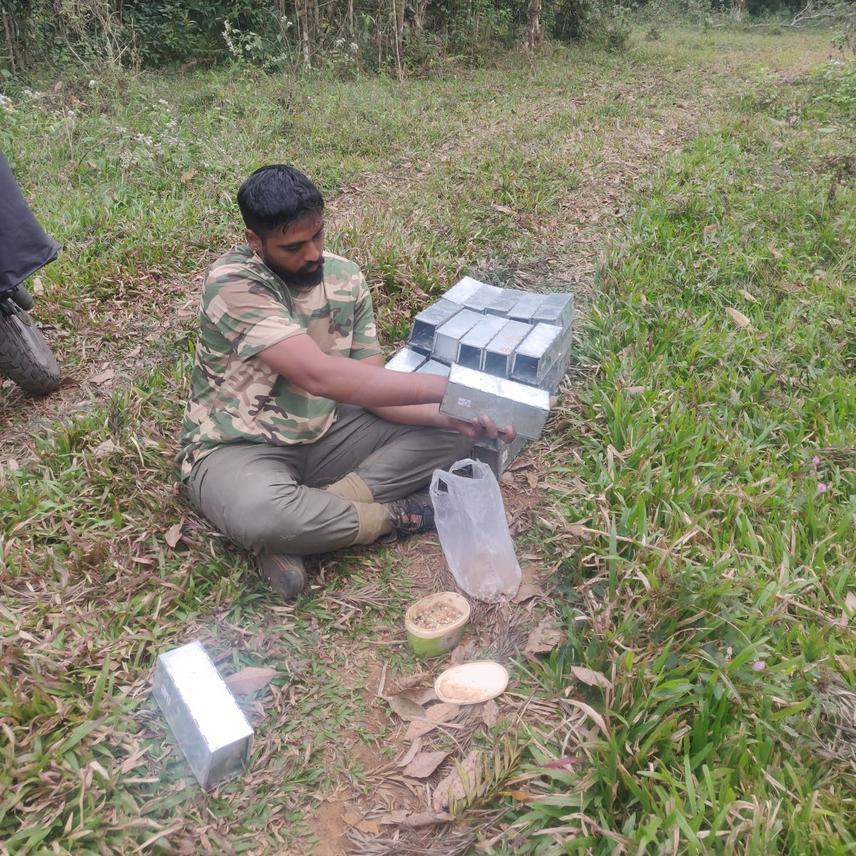
Baiting the Sherman traps before deploying them in the field © Gowthami N