Silvana Gallegos Sánchez


Freshwater ecosystems are among the world's most threatened habitats, yet they provide essential water resources for both biodiversity and local communities. In the northern Ecuadorian Andes, the Palacara watershed supports unique freshwater species, including the Critically Endangered Andean catfish (Astroblepus ubidiai) and Buckley's Glassfrog (Centrolene buckleyi), while supplying water to rural communities. Today, these ecosystems face increasing pressure from mining concessions, agricultural expansion, and habitat degradation.
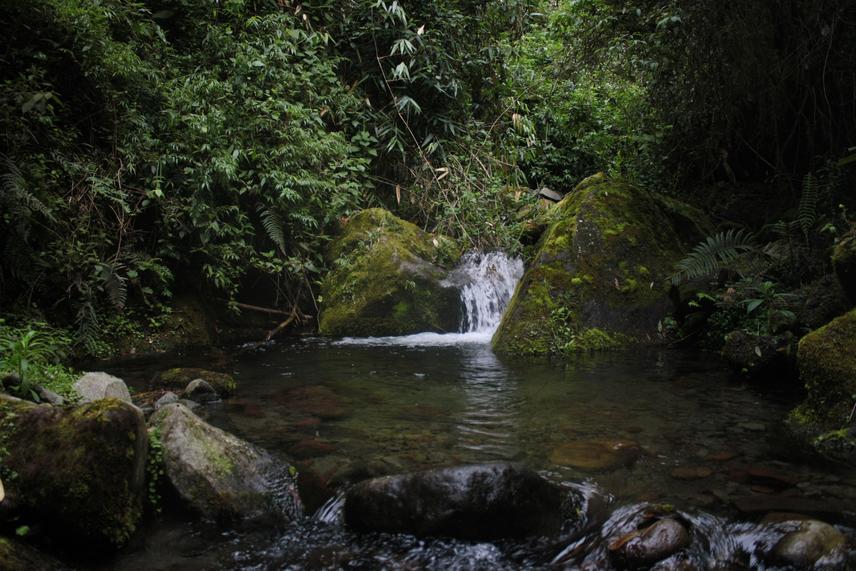
Headwater stream of the Palacara watershed, Cahuasquí, Ecuador. (c) Silvana Gallegos Sánchez
This project combines ecological research, community participation, and Ecuador's pioneering Rights of Nature framework to protect these vulnerable ecosystems. Working alongside trained local paraecologists, we will assess freshwater biodiversity using environmental DNA (eDNA), aquatic macroinvertebrates, water quality monitoring, and habitat assessments. These complementary methods will allow us to identify freshwater conservation areas and establish ecological thresholds to guide conservation actions.
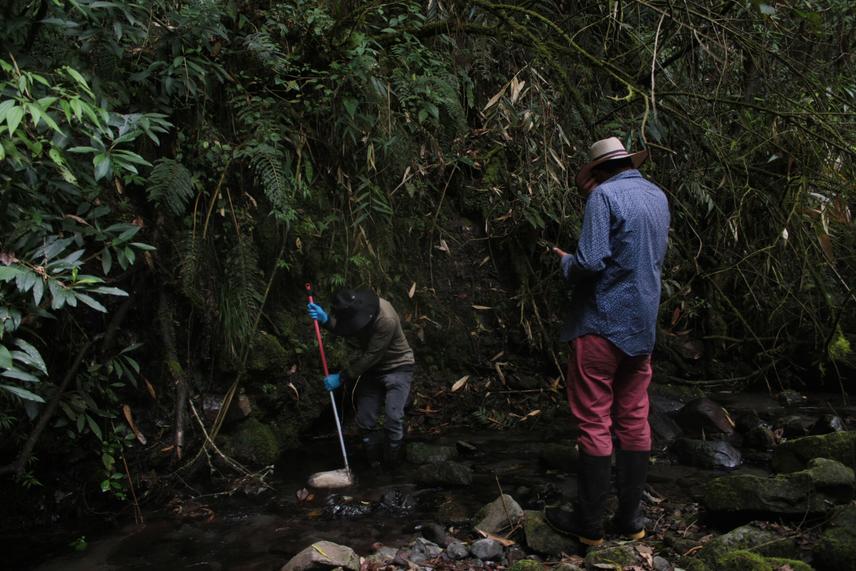
Paraecologists sampling aquatic macroinvertebrates in a headwater stream of the Palacara watershed, Cahuasquí, Ecuador. (c) Silvana Gallegos Sánchez
Community participation is at the heart of the project. Local paraecologists will receive training in environmental DNA sampling and freshwater monitoring, strengthening their capacity to monitor and protect their own rivers. Scientists and community members will jointly produce a Freshwater Conservation Map that combines scientific evidence with local ecological knowledge to identify headwater areas for protection.
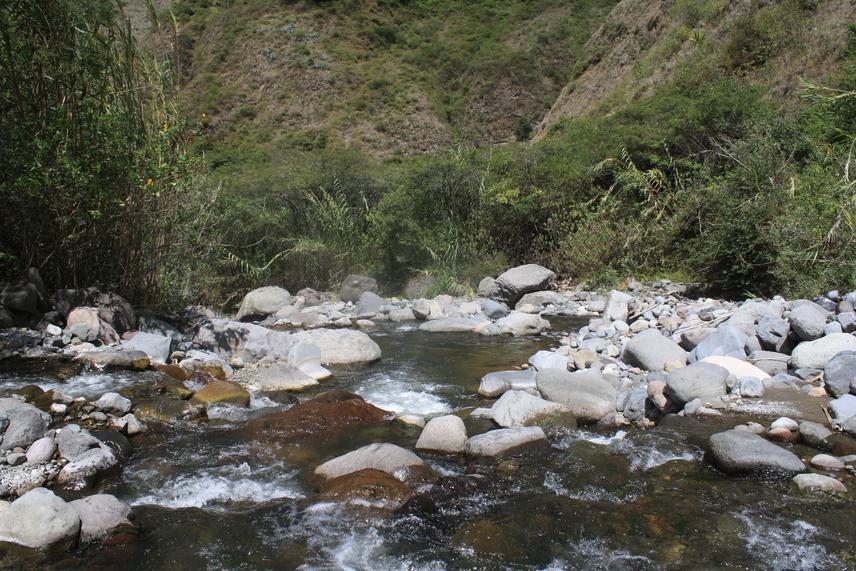
Palacara river, Cahuasquí. (c) Silvana Gallegos Sánchez
Beyond generating biodiversity data, the project aims to create a long-term, community-led monitoring programme that supports local decision-making and provides scientific evidence to strengthen the implementation of the Rights of Nature. By building partnerships among communities, universities, conservation organisations, and legal experts, this initiative demonstrates how science and citizen participation can work together to safeguard freshwater ecosystems threatened by mining.
The project offers a practical and replicable model for conserving Andean rivers while empowering local communities to become long-term stewards of their freshwater resources and biodiversity.