Muhammad Ichsan


Indonesia is well known as the world’s leading shark fishing country, with an average of more than 100,000 tonnes of catches yearly. Despite this huge pressure from fisheries and many other anthropogenic threats, only a fraction of species – such as manta rays, sawfish and whale sharks – are fully protected.
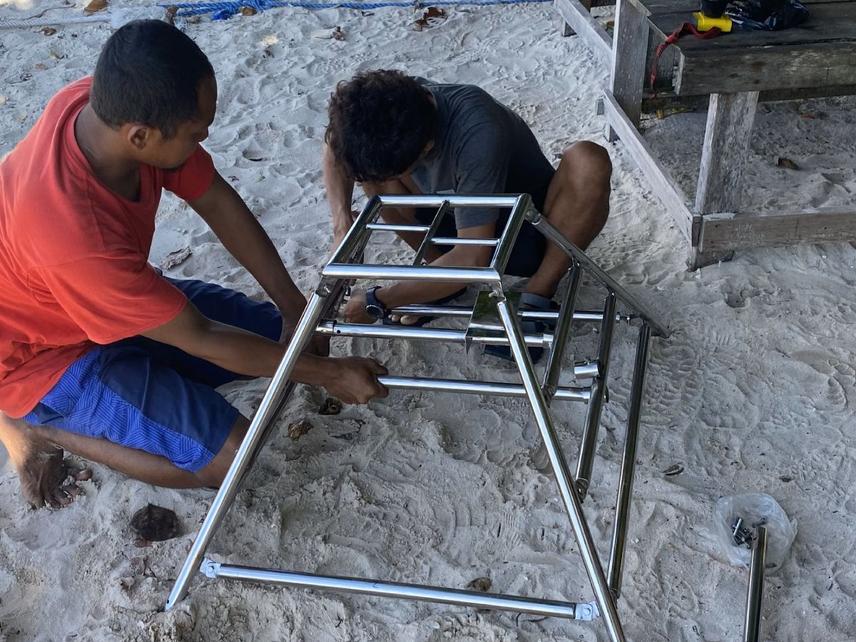
Laudy assembling demersal BRUV structure being assembled. © Rofi Farhandaya
This leaves the majority of species vulnerable to fisheries, habitat degradation and climate change due to the lack of policy, enforcement and monitoring.
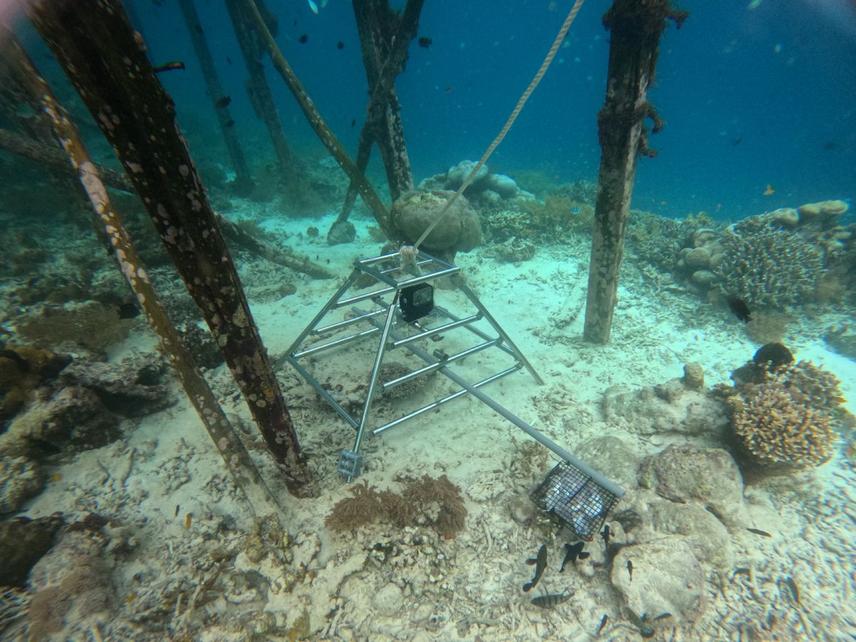
BRUV structure underwater. © Muhammad Ichsan
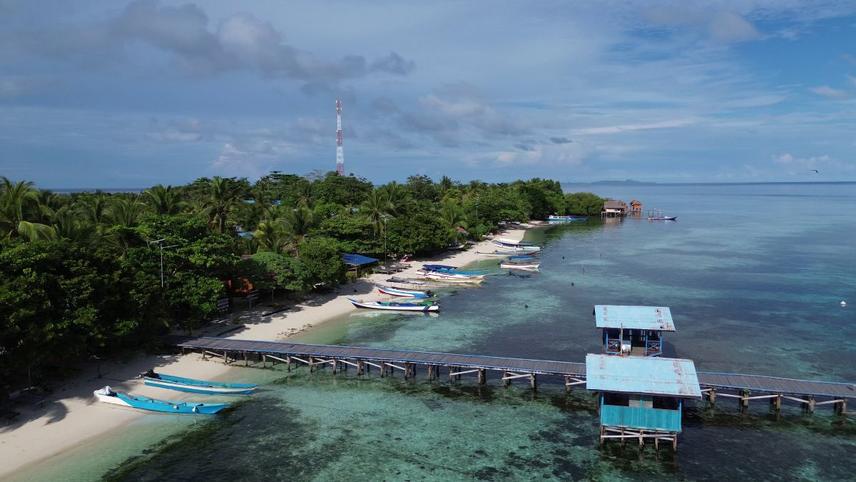
Raja Ampat, as one of the most biodiverse marine regions in the world, is protected as a Marine Protected Area, providing a refuge for these species. However, due to its remoteness and vast geography, there is very limited information regarding these species in Raja Ampat, especially in the deeper and pelagic waters where adults reside and may use important habitats during parts of their life cycle.
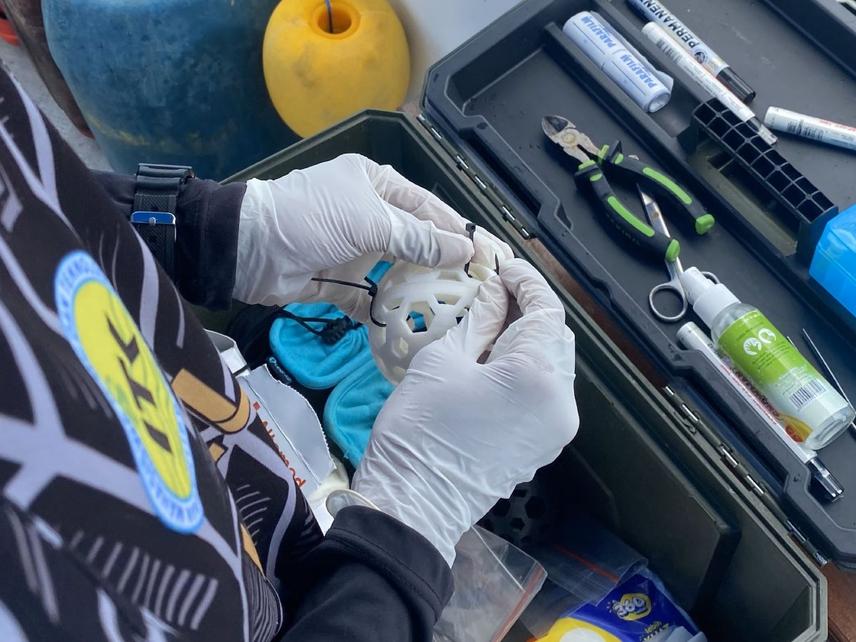
Rofi preparing eDNA sampling tools. © Laudy Zufar Makarim
In this project, we are using baited remote underwater video (BRUV) surveys designed for ecological assessment, and eDNA analysis to assess the biodiversity and relative abundance of priority shark and ray species. The project aims to improve conservation measures for sharks and rays in Raja Ampat by partnering with local and national authorities.