Jyotish Ranjan Deka


Assam, in Northeast India, harbours some of the last remaining strongholds of the Bengal tiger population. However, rapid infrastructure development, fragmentation of forests, and increasing human presence along wildlife corridors are causing major challenges for tiger movement and survival. While protected areas (PAs) such as Kaziranga, Orang, and Manas are well-studied, the unprotected corridors between these landscapes remain poorly monitored, and both tiger use and human disturbance are unclear.
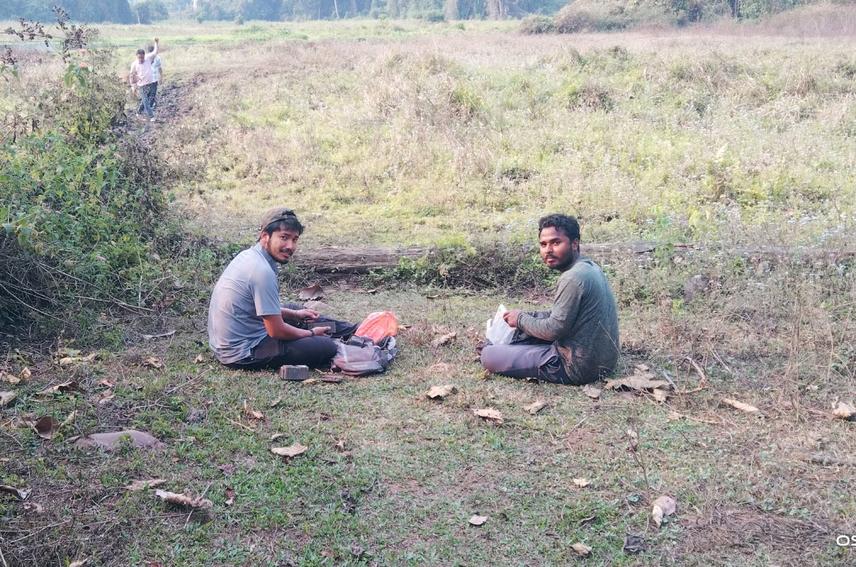
Checking trail cameras in the field, Jyotish and research assistant Ankur Nahok during a survey in the forests of Assam. @Mridul Saikia
This project aims to identify the priority areas of tigers and their prey abundance, in the high-potential corridors areas and assess human disturbances. I will integrate camera trapping and passive acoustic monitoring to achieve my proposed goal. The expected outputs include datasets on prey abundance, tiger corridor maps, and disturbance assessments. My results will inform conservation strategies, guide habitat restoration, and enhance wildlife management in Assam. In addition, it will help to connect the large landscape of Northeast India. Further, engaging local communities and stakeholders will help apply the findings to mitigate human-wildlife conflict and ensure long-term conservation success.
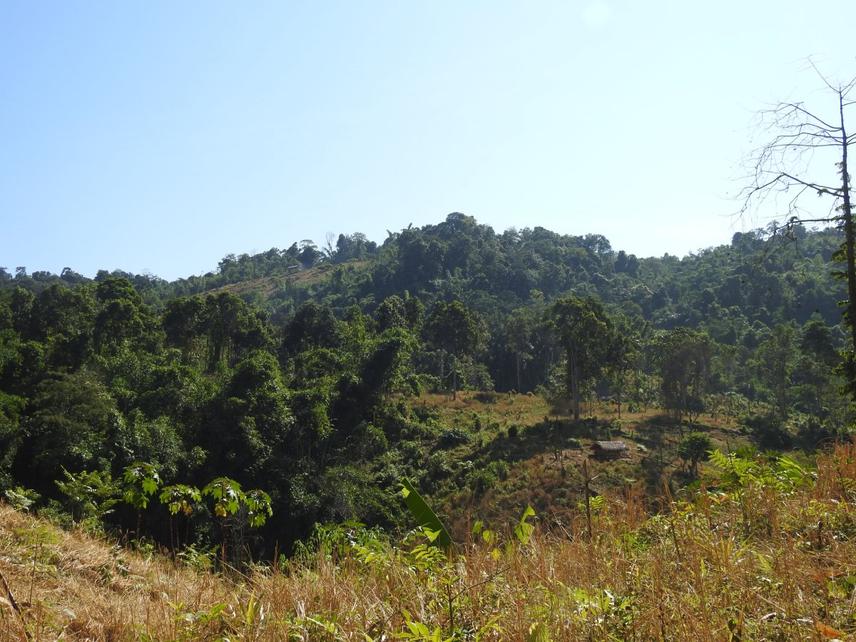
The Kaziranga–Karbi Anglong Landscape, a critical ecological corridor linking the floodplains of Kaziranga with the hill forests of Karbi Anglong. @Jyotish Ranjan Deka