Jennifer Jane McFarlane


Hunting is one of the largest threats to biodiversity across the tropics, yet it is a critical protein source and livelihood for many, in particular indigenous groups. Hunting is also central to culture and lived experiences, e.g., cultural identity, connections with spirits, and traditional ecological knowledge.
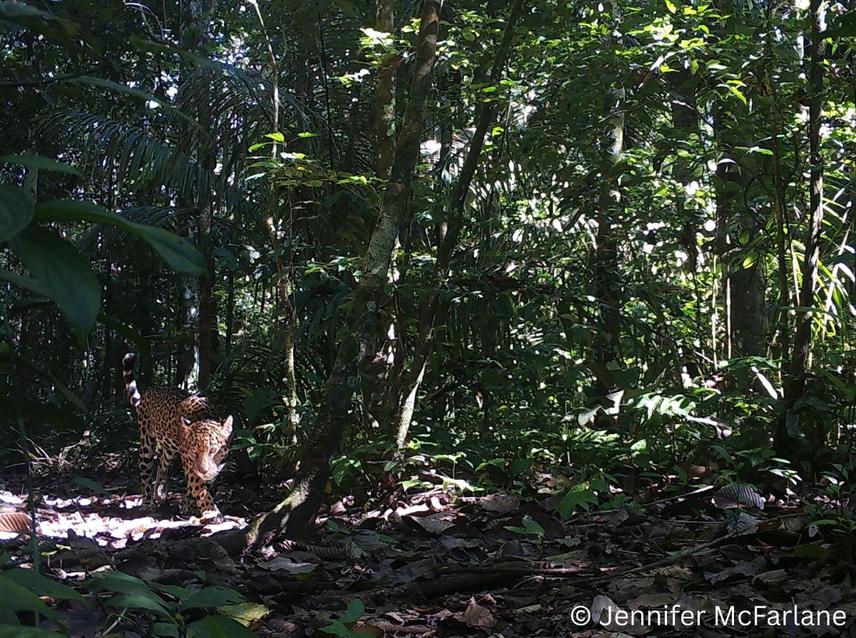
Jaguar caught on a camera trap at Cocha Cashu Biological Research Station, Manu National Park, Peru
Manu National Park, situated in the South-Eastern Peruvian Amazon is considered one of the world’s most important tropical protected areas. It was created in 1973 as a national protected area of 17,000 km2 and is a designated world heritage site and UNESCO biosphere reserve. It is globally renowned for its biodiversity housing 2000–5000 plant species, 200 mammal species, and 850 bird species. It covers the Manu watershed with its highest point reaching 4000 m in the Andes with alpine grasslands down to cloud forest at 1800 m and down to moist lowland primary rainforest forming the core of the park (9,370 km2).
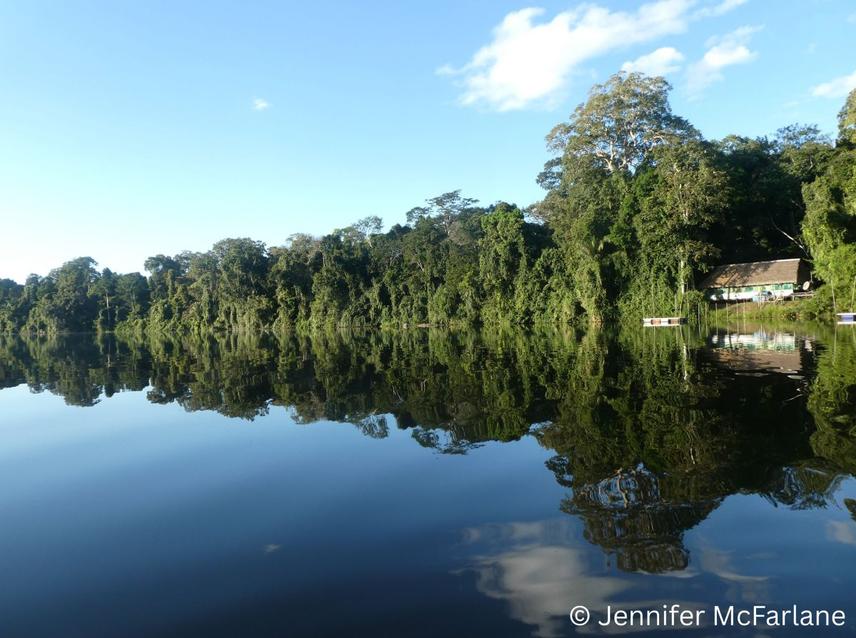
Cocha Cashu Biological Research Station, Manu National Park, Peru
The park is also inhabited by the indigenous Matsigenka community with a population of 1,200-1,500 living in settlements inside the strict protection zone which only Matsigenka and permitted researchers can access. Laws grant the indigenous Matsigenka to remain provided they use traditional practices, e.g. hunting with the bow and arrow, which are believed to not interfere with the park's biodiversity conservation goals, however evidence is limited and management poorly reflects community wellbeing and understanding of cultural norms.
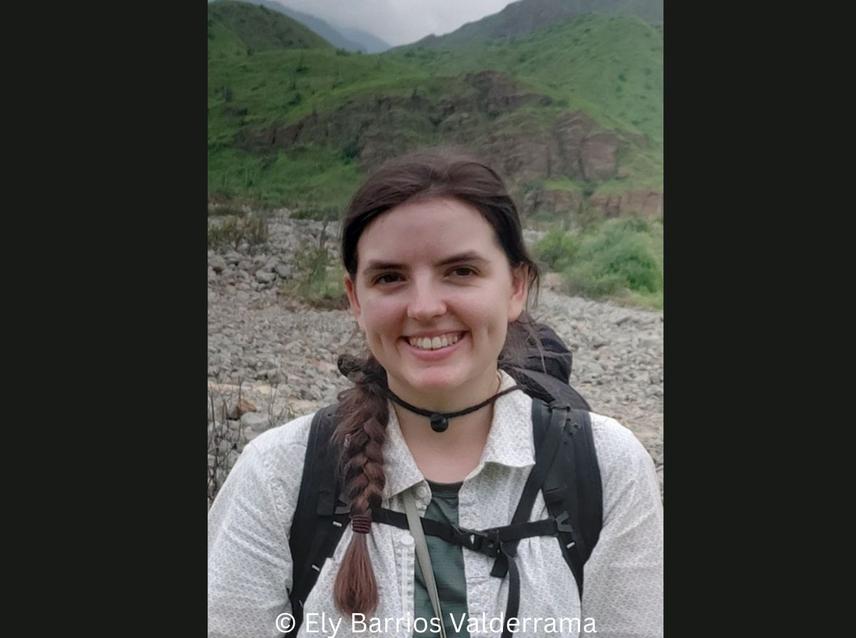
Jennifer McFarlane, project leader
My previous research in Manu, combining for the first time all species (including carnivores) from two camera trapping assessments revealed negative impacts on sensitive carnivores in higher hunting pressure areas. It is unclear if impacts have manifested through direct lethal control of predators or indirect prey depletion due to hunting. However, anecdotal evidence describes jaguar attacks and fear driven by cultural beliefs leading to retaliatory killings, but the extent is unknown.
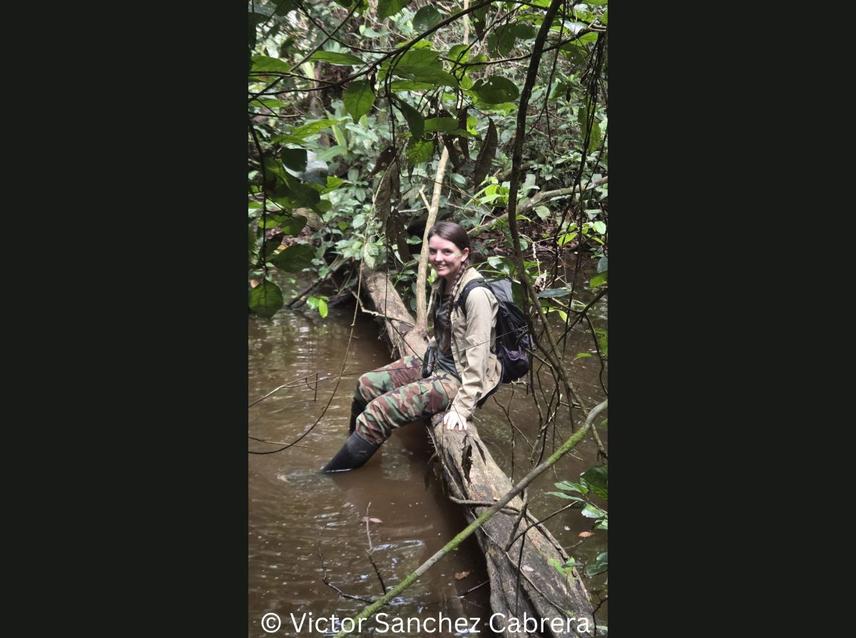
Searching for camera trap locations for installatio
We aim to assess the effects of traditional hunting practices on the mammal species community, including direct effects on species preferred for hunting and indirect effects on non-hunted species and carnivores, e.g. via prey depletion. Alongside camera trap-based monitoring, we will implement carnivore diet analysis for changes in diet in hunted areas, and investigate local indigenous perceptions of hunting, and coexistence with carnivores in Manu National Park in the Peruvian Amazon. This interdisciplinary and community participatory approach will provide a comprehensive picture of hunting in the Manu landscape to help co-design community-led management incorporating cultural rights and norms.
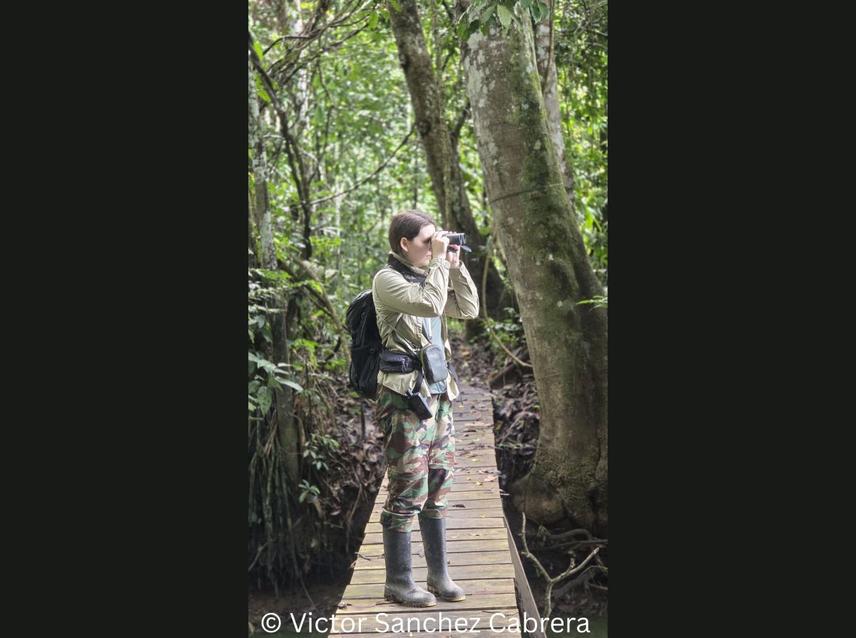
On the trail at Cocha Cashu Biological Research Station, Manu National Park, Peru