Florence Godfrey Tarimo


Other projects
13 Feb 2023
Conservation Initiatives to Protect the Vulnerable Common Hippopotamus (Hippopotamus amphibius) in Lake Manyara and Babati, Northern Tanzania

The project will focus on areas around Lake Manyara and Lake Babati in northern Tanzania, two ecologically important but increasingly vulnerable aquatic systems that support populations of the vulnerable Hippopotamus amphibius, along with various other wetland-dependent species. These lakes form part of a vital catchment within the Central Water Basin Authority, encompassing key habitats that support diverse terrestrial and aquatic biota. These habitats provide refuge for several globally threatened and endangered migratory species, including flamingos, storks, and African elephants. In addition, the area supports a rich diversity of local fish species that are essential to community livelihoods, including endangered Manyara tilapia (Oreochromis amphimelas).
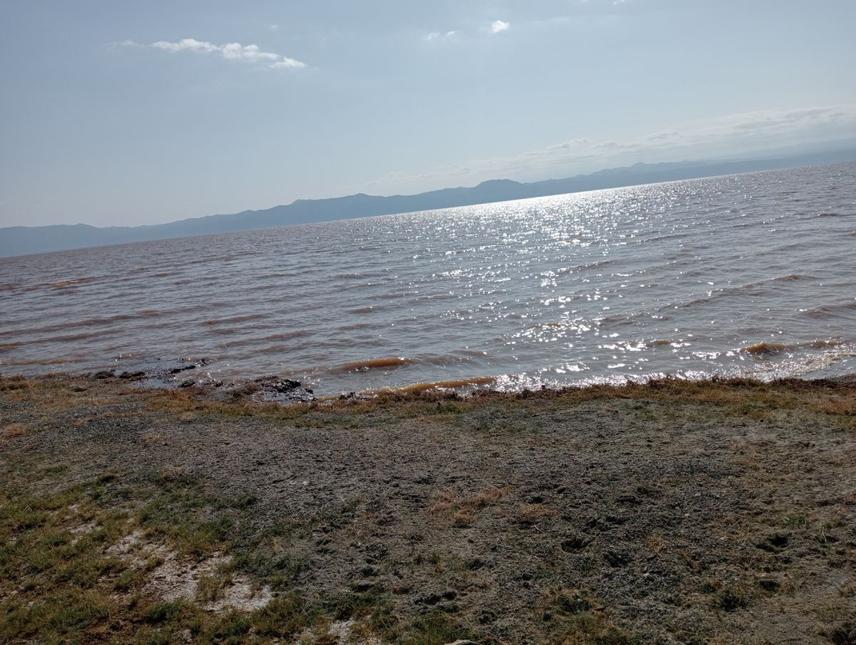
Lake Manyara-Esilalei ward; A hippo common foraging area; © Florence Godfrey Tarimo
Residents around these lakes rely heavily on small-scale farming, fishing, and livestock keeping, often resulting in challenging interactions between people and hippos. These interactions intensify during the dry season, when declining forage availability pushes hippos to range further from the lakes into farmlands, increasing the frequency and severity of Human–Hippo Conflict (HHC). The first phase of this project established a foundation for conserving hippo in Lakes Manyara and Babati. Through transect-based vegetation surveys, dominant forage species were identified, and HHC hotspots were mapped. In parallel, locally used mitigation practices against HHC, including live fencing, ditches, and active guarding, were also documented. Furthermore, the customised training sessions during feedback workshops introduced improved mitigation practices and fostered a grassroots network of trained local community members.
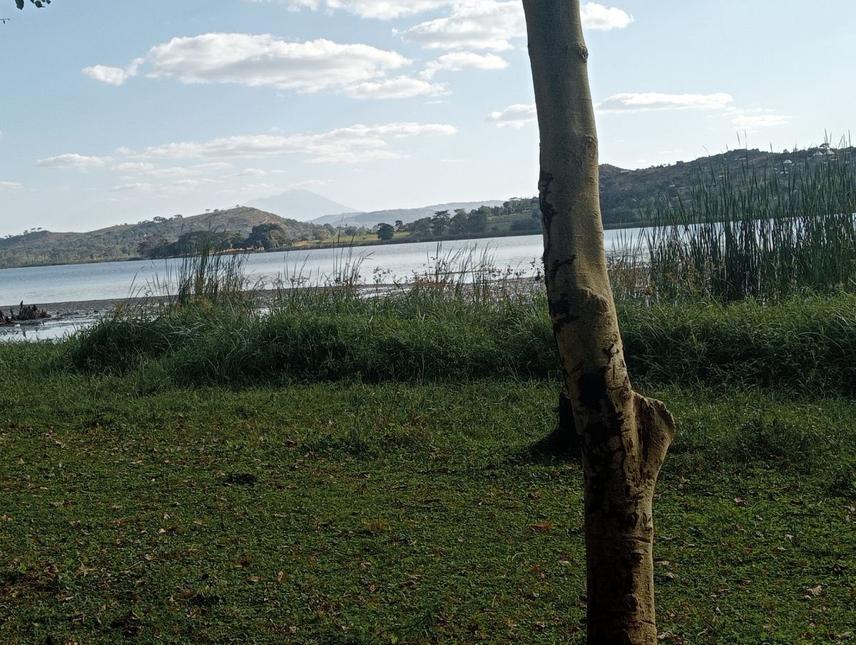
Lake Babati-Majengo ward; A hippo common foraging area; © Florence Godfrey Tarimo
Building on these outcomes, the second phase of the project will focus on refining, scaling and monitoring the effectiveness of locally-led HHC mitigation practices. The project will also expand training for local communities on land-use practices that reduce HHC and empower a growing network of local community champions to lead coexistence initiatives. Hippo foraging habitat restoration initiative will also be supported to enhance foraging resource availability and reduce seasonal conflicts. The project will build on existing ecotourism by positioning hippopotamuses as a visitor attraction to demonstrate the ecological and economic value of hippos to incentivise hippo conservation stewardship. Furthermore, this project will be implemented in collaboration with key stakeholders, most of whom were actively engaged during the first phase of the initiative. Their continued involvement will be critical in ensuring community ownership, implementation effectiveness, and long-term sustainability of conservation outcomes.