Brais Marchena Fernández


The Great Green Macaw (Ara ambiguus) is listed as Critically Endangered and is threatened by habitat loss and the poaching of chicks for the pet trade. The forests of eastern Panama and neighboring northwestern Colombia support most of the remaining global population, making this region one of the most important places for the species’ survival. However, limited information on the species’ ecology, habitat use, and threats remains a major barrier to effective conservation action in this region.
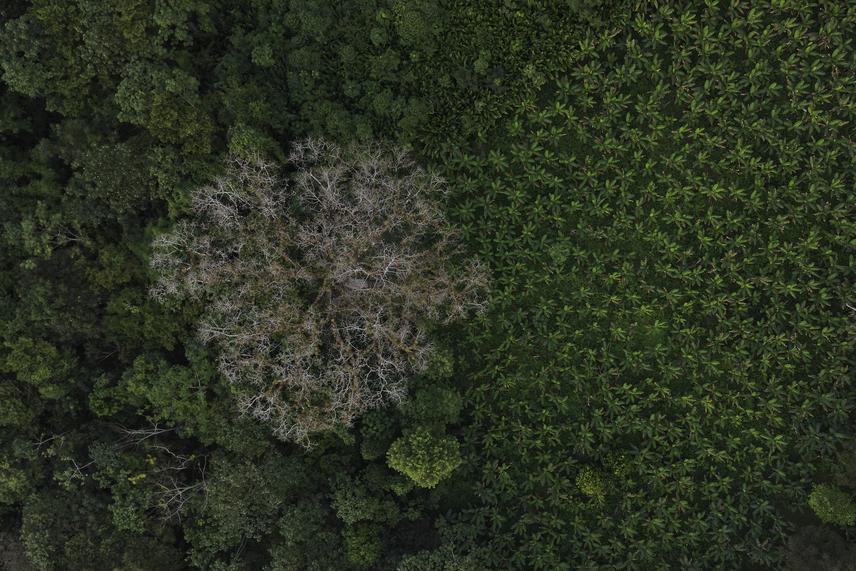
Large old-growth trees provide critical nesting cavities and may support the persistence of the macaw even within heavily degraded landscapes © Enea Lebrun
This project will focus on the Darién Gap in eastern Panama, one of the world’s last major frontier forests and one of the largest intact forest landscapes in Latin America outside the Amazon. Darién supports a significant share of the species’ global population, sustain exceptional biodiversity, provide vital ecosystem services, and support local livelihoods. At the same time, Darién faces increasing land-use change, forest degradation, and pressure on natural resources.
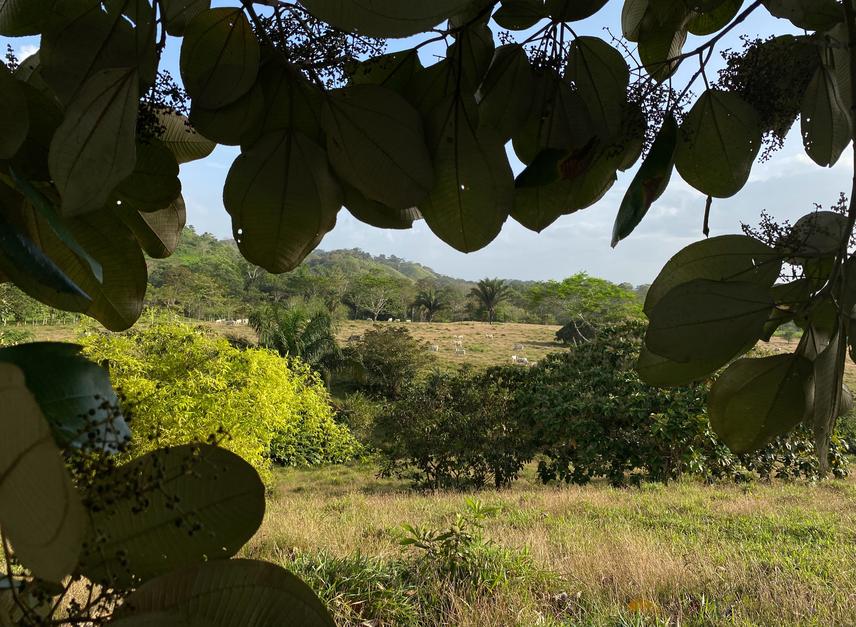
Scattered fruit trees retained within ranching landscapes to feed cattle may also serve as seasonal food resources for the species, influencing their use of pasture areas surrounding remnant forest fragments. © Brais Marchena
Although large portions of the region fall within protected areas, their size and remoteness make effective monitoring extremely difficult. Legal protection alone is not enough. Areas where community forests overlap with or border protected areas are especially important because they face pressure from habitat degradation and nestling extraction but also offer strong opportunities for collaborative community-based conservation. Many local communities already practice forms of forest stewardship and are deeply invested in sustainable land use, yet they have often been excluded from research and conservation decision-making.
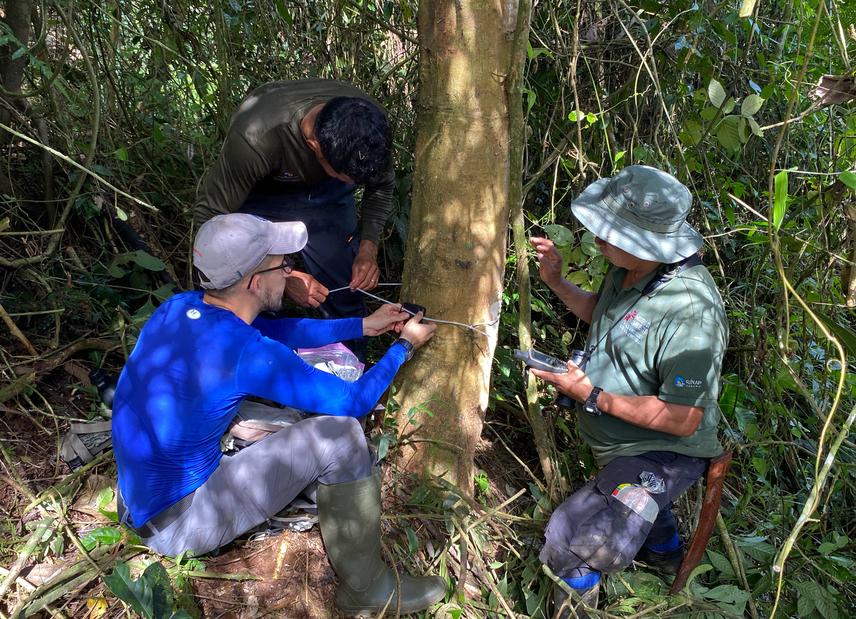
Brais Marchena training protected-area rangers on the installation of autonomous recording units © Daniel Dogirama
Through an interdisciplinary approach, this project will combine ecological monitoring with community participation to better understand the threats facing the species and its habitat, and to identify priority areas for conservation action in Darién. Working with community-based organizations and Panama’s Ministry of Environment, the project will deploy automated sound recorders to understand how Great Green Macaws use the landscape across space and time. Participatory mapping will bring together local knowledge and scientific data, producing practical information to guide nest patrol planning, habitat restoration, and sustainable forest use.
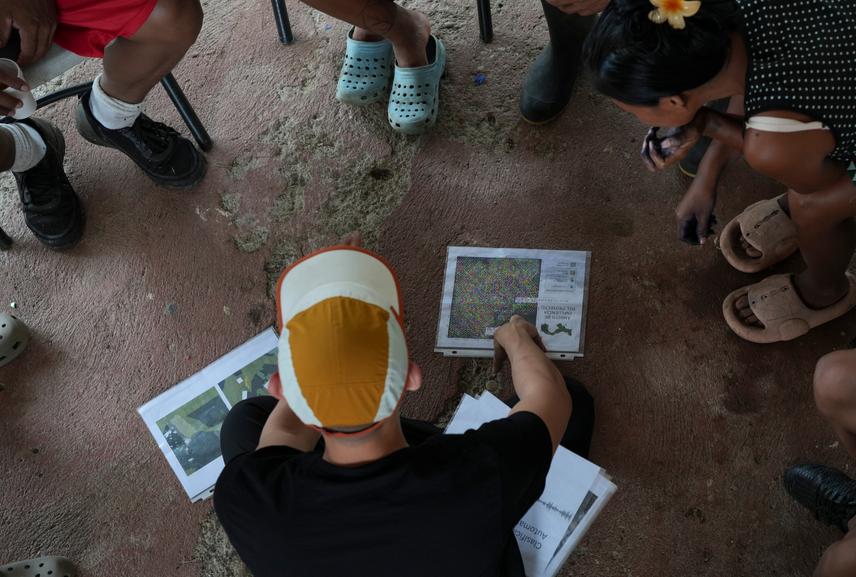
Brais Marchena in conversation with community members about shared conservation interests and possible paths for collaboration. © Enea Lebrun
Another key goal is to strengthen local capacity and ownership of conservation efforts. Community members will be trained in monitoring methods that can also support birdwatching and nature-based tourism, creating local benefits tied to keeping forests standing. By focusing on this flagship species, the project also supports the protection of mature forests that benefit many other species and contribute to the long-term conservation of one of the Neotropics’ most threatened forest landscapes.