Showcase

Armine's story

Junior Researcher fascinated by spiders and Armenia’s rich biodiversity.

Armine Kosyan
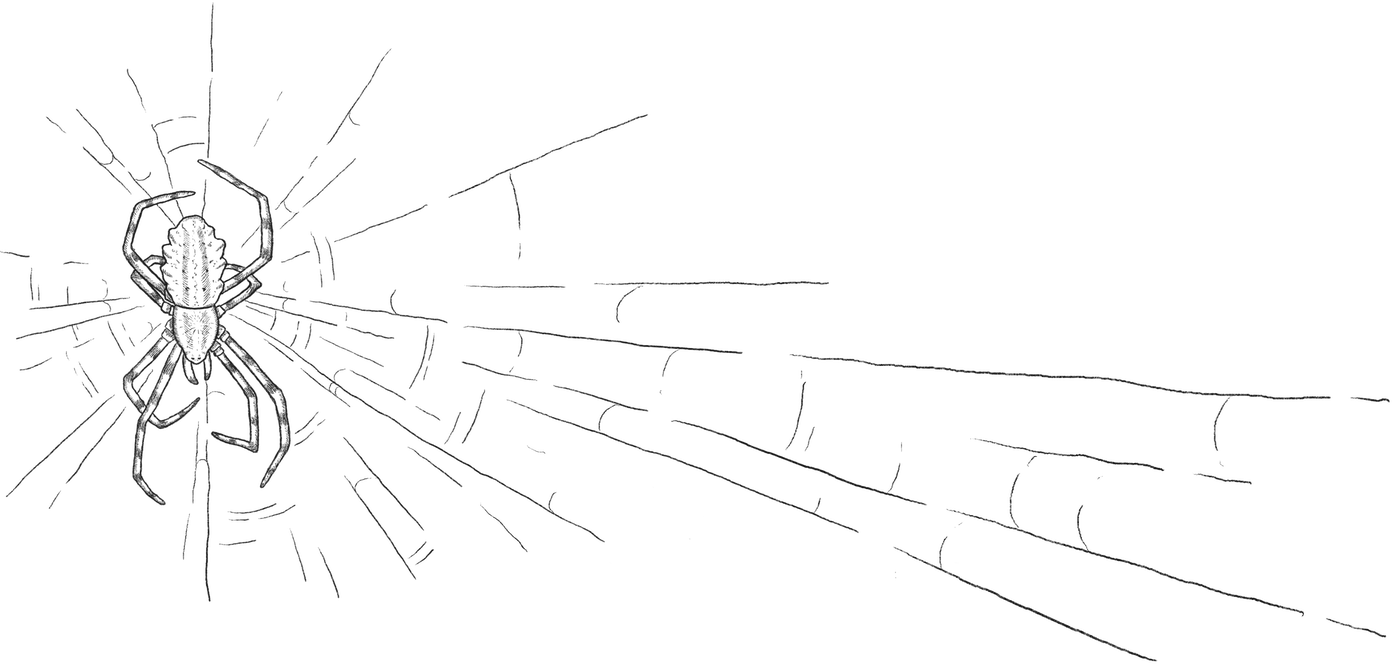
spider illustration

About

Armine Kosyan is a junior researcher who has been studying spiders since 2019. Investigating these fascinating invertebrates, she found they remained largely unexplored in her native Armenia. In 2020, she made a significant effort to address this gap by enrolling in a postgraduate course at Yerevan State University. In her research, she has documented numerous spider species for the first time in Armenia, including one species new to science.

Embarking on postgraduate studies enhanced Armine’s expertise in arachnology, allowing her to collaborate with renowned international scientists. Now, as a junior researcher at Yerevan State University, she continues to explore the wonderful world of spiders while actively promoting conservation efforts. She engages local communities in biodiversity monitoring through citizen science initiatives, raising awareness about the importance of spiders. By integrating conservation practices and community involvement, she aims to weave threads to span knowledge gaps in arachnology and inspire a greater appreciation for Armenia’s rich biodiversity.

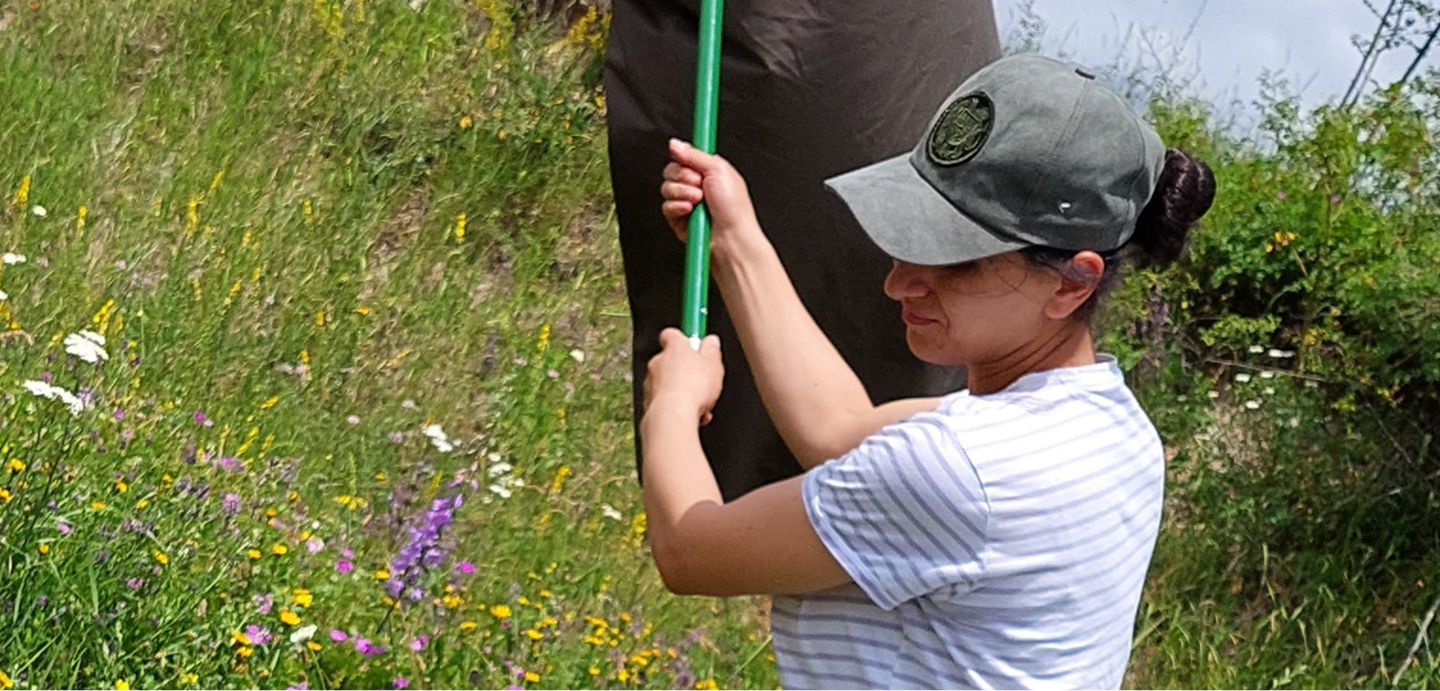
Connect with Armine

Quote

Co-operation plays a crucial role in
conducting research at an advanced
level, whether locally or internationally.

Armine's Interview

Q.
Who or what inspired you to pursue a career in conservation? And what motivates you now?
A.
My interest in conservation research began during my PhD. I studied the spider fauna of Armenia because they are poorly studied and lack conservation data. During my research, I encountered a rich diversity of spider species, many of which are new to Armenia or the world. The complexity of studying spiders and their importance in the ecosystem instilled an interest in protecting them. My goal is to raise awareness about their importance in biodiversity. Conservation often focuses on charismatic species, but the foundation of ecosystems lies in ‘unpopular’ species like spiders and insects. These creatures play essential roles in maintaining food webs. Protecting them means protecting entire ecosystems, ensuring long-term biodiversity and stability.
Q.
What impact did the Rufford Foundation grant have on your career?
A.
Getting the Rufford Small Grant was a turning point for me, shifting my focus from classic research to active conservation. It provided me with the opportunity to venture into the field and study Armenia’s diverse and highly rare spiders, found only in my homeland. The grant covered essential equipment, fieldwork and village-level education programmes. It also gave me the confidence to expand my work with these species and develop more effective conservation measures.
Q.
When faced with challenges in your work, what do you do to address them and remain positive?
A.
Challenges in conservation are inevitable, whether it’s a lack of resources or engaging locals. I deal with challenges by tackling the problem step by step and keeping a firm grasp of the big picture, the conservation of the species and ecosystems I’m working on. Personally, it’s inspiring to see what a difference even small actions can make in the long run. Also, sharing these challenges with a good team and learning from their experiences keeps me optimistic and motivated.
Q.
What is the best experience you’ve had working in conservation?
A.
One of the most rewarding experiences was recording a new species of spider for science, as well as recording many new species for Armenia, which is an ongoing process. Describing and recording new species plays a crucial role in the local ecosystem, controlling insect populations and helping to maintain the balance of plant life. This discovery not only confirmed the importance of preserving their habitat, but also strengthened our community-based conservation efforts to protect the biodiversity of the region.
Q.
What is your greatest achievement and why?
A.
My greatest achievement is successfully creating a group of students interested in protecting the habitat of an Armenian species of spider. The project, funded by a Rufford Small Grant, involved mapping the spiders’ habitat, raising awareness of their ecological importance in local communities. The project resulted in better protection of the species, and we were able to engage local communities in conservation efforts by reducing harmful practices that threaten the spiders’ habitat in my home village. This achievement stands out because it helped me understand that conservation is not only about protecting wildlife, but also about building partnerships and trust with local communities.
Q.
What advice would you give to young people looking to establish a career in wildlife conservation?
A.
My advice would be to stay curious, be adaptable and don’t be afraid to work on the ‘smaller’ species that often get overlooked. Conservation is about understanding the intricate relationships between all creatures in an ecosystem, no matter their size. Gain as much field experience as possible – whether it’s through volunteering, internships or independent projects. Building relationships with other conservationists and learning from their experiences can also help you navigate challenges. Persistence is key, and remember that every effort counts․
Q.
What has working with Armenian spiders taught you?
A.
Working with Armenian spiders has taught me a great deal about ecosystem dynamics and the delicate balance of biodiversity. Spiders play vital roles in controlling insect populations and maintaining the health of various ecosystems. Many of these species are highly specialised, meaning that small changes in their habitat can have significant impacts on their survival. Working with these spiders has reinforced the idea that every species, no matter how small or seemingly insignificant, plays a critical role in sustaining the health of our planet. It has also shown me how important it is to raise awareness and educate local communities about the significance of preserving these species. 
Q.
What is your next conservation project?
A.
My next conservation project involves expanding my work on the conservation of Armenian spiders by focusing on habitat restoration in key areas where these species are most threatened. This includes working with local communities to reduce habitat destruction caused by urbanisation and agriculture. The project will also involve establishing new protected areas and conducting further research to better understand the ecological roles of these spiders. The long-term goal is to ensure the sustainability of their populations and integrate spider conservation into broader biodiversity strategies for Armenia’s unique ecosystems.

Key Achievements

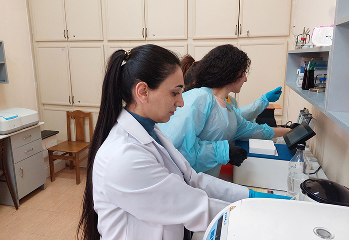
  • 2020
    Labwork. © Armine Kosyan.

    Began Ph.D. studies at Yerevan State University

    Studied with the Faculty of Biology and Chair of Zoology, focusing on the genetic and morphological diversity of spiders in Armenia.

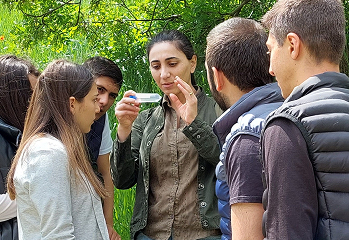
  • 2021
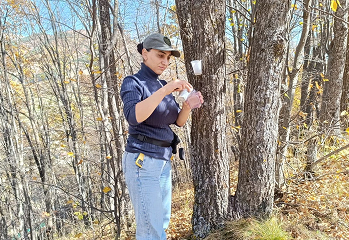
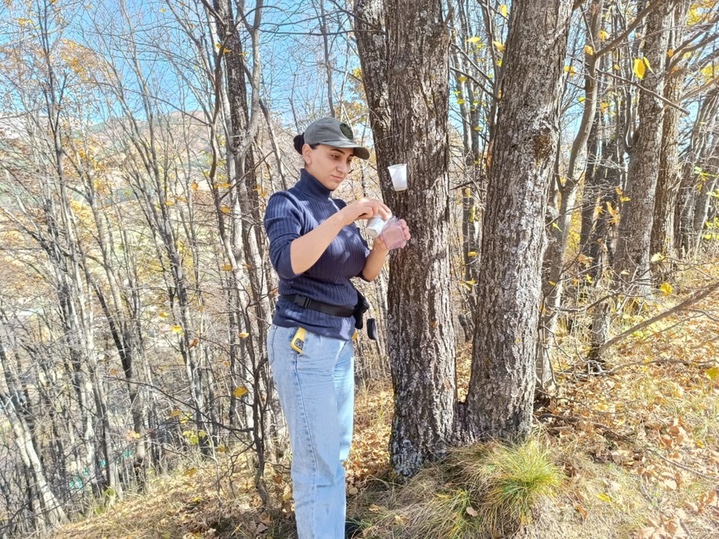
    Fieldwork. © Armine Kosyan.

    Awarded a First Rufford Small Grant

    The project, ‘Assessment of the Conservation Value of Spiders in Armenia’, led to significant discoveries of new spider species and key conservation areas.

    Find out more right arrow

  • 2022

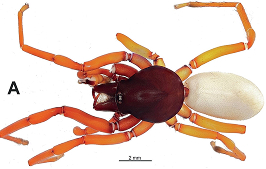
    The First Record of the Genus Argiope of the Family Araneidae

    Publication of ‘The First Record of the Genus Argiope of the Family Araneidae: Argiope bruennichi (Scopoli, 1772) and Argiope lobata (Pallas, 1772) in Armenia’.

    Find out more right arrow

  • 2023
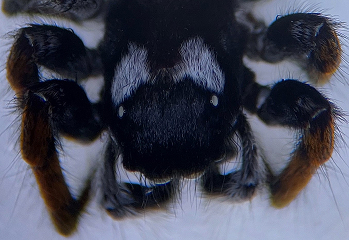
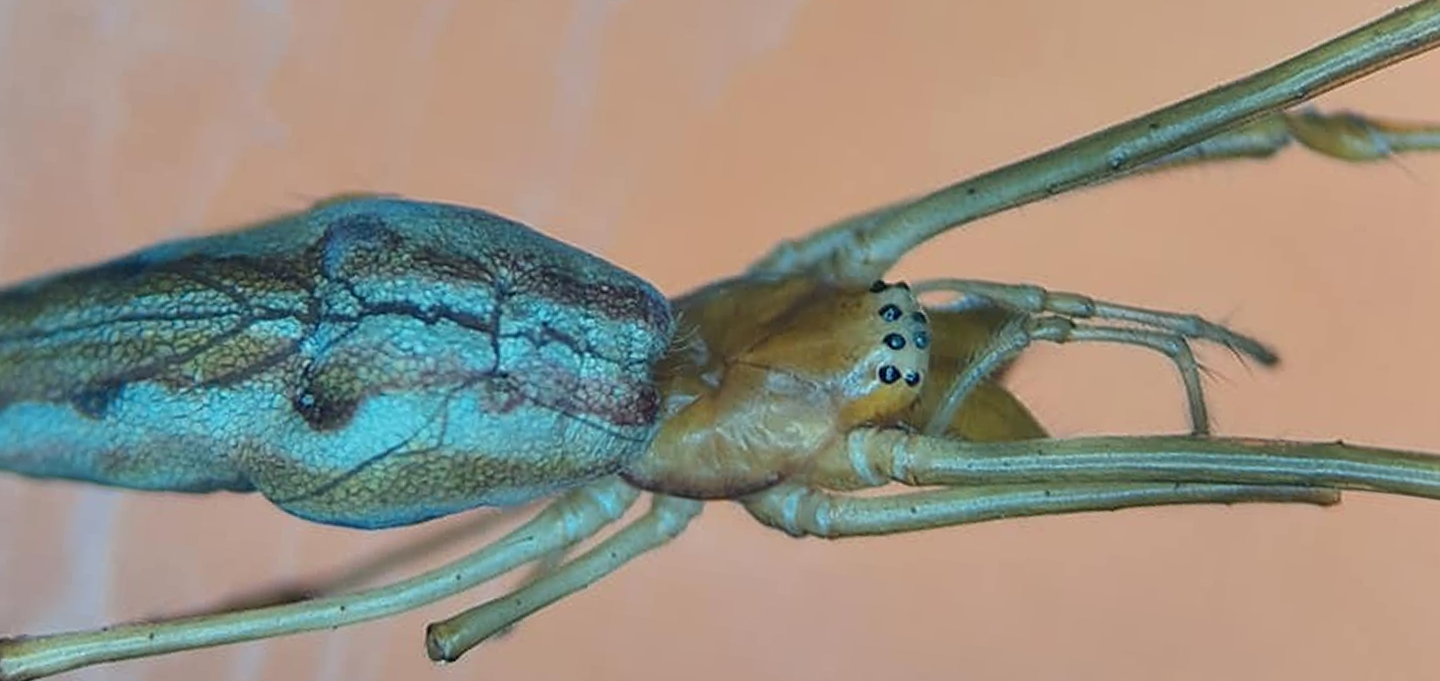
    Dysdera haykana. © Armine Kosyan.

    Species discoveries

    Described a new spider species and recorded 36 species for the first time in Armenia through scientific publications in ZooKeys and Euroasian Entomological Journal, contributing to a deeper understanding of regional biodiversity.

  • 2023

    Notes on Dysderidae of Armenia and Iran

    Publication of ‘Notes on Dysderidae (Arachnida, Araneae) of Armenia and Iran, with new species and records’.

    Find out more right arrow

  • 2023
    Salticidae. © Armine Kosyan.

    New records of spiders from Armenia

    Publication of ‘New records of spiders (Arachnida: Aranei) from Armenia. 1. Ten genera and 20 species of the families Araneidae, Theridiidae and Thomisidae’.

    Find out more right arrow

  • 2024
    Second Rufford Small Grant. © Armine Kosyan.

    Awarded a Second Rufford Small Grant

    Received for the project, ‘Web of Community Engagement: Advancing Spider Conservation and Research in Armenia’, promoting citizen science and community involvement in conservation.

    Find out more right arrow

Three key things I’ve learnt...

1

Patterns of interest in
conservation

I have made several visits to kindergartens, schools and colleges, and interacted with villagers to disseminate why spiders are important. I learned that children and villagers are more concerned about conservation activities and willing to learn more about spiders than adults and city residents.

2

Armenia's incredible
diversity of spiders

This was a surprising and new finding for me. During my research, I identified numerous species for the first time in Armenia, with one species being completely new to science. This study was eventually published in a high-ranking journal.

3

Co-operation is key

Cooperation plays a crucial role in conducting research at an advanced level, whether locally or internationally. Collaborating with professionals from varying backgrounds has enhanced my research. Conferences, seminars, training sessions and other similar events all contribute to new knowledge and experience, professional growth and staying updated with the newest developments in the field.

What next?

Apply for a Rufford Small Grant for
your conservation project

Apply now