Yuhan Li


China’s Three-River-Source National Park (TRSNP) is the country’s first and largest national park, located on the Tibetan Plateau. It is home to iconic wildlife such as the snow leopard, and to Tibetan herder communities who have long coexisted with nature. Since TRSNP’s designation in 2015, a suite of conservation interventions—including the employment of over 17,000 rangers, ecotourism initiatives, compensation schemes, and subsidies—has been implemented to support biodiversity and local livelihoods. However, we still lack robust evidence on how these interventions affect people and wildlife. It remains unclear whether they are delivering their intended outcomes and fostering equitable, long-term coexistence.
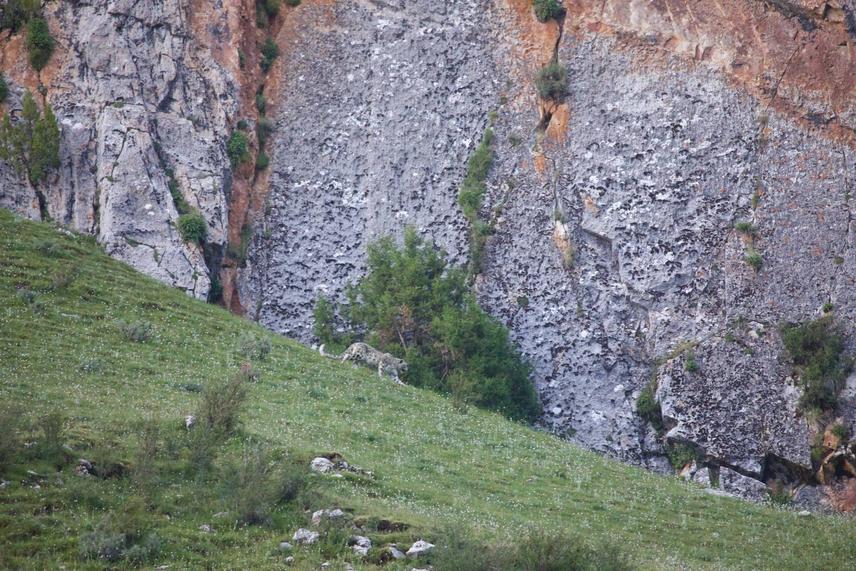
Snow leopard@Yuhan Li
My project addresses this critical gap. This study evaluates conservation financial incentives in China’s first national park, Three-River-Source, using mixed methods. At the national and global levels, it analyses policy discourses and their alignment with the Global Biodiversity Framework. Locally, it explores stakeholder perceptions and the theories of change behind conservation interventions. Using causal inference, it assesses whether local communities are better off under the national park system. It also examines how financial incentives shape conservation motivations. Findings will guide more effective, equitable conservation strategies— supporting both biodiversity and community wellbeing across different governance scales.