Tan Nguyen


Other projects
26 May 2023
The Herpetofauna of Dakrong Nature Reserve, Quang Tri Province, Central Vietnam: Diversity, Ecology and Conservation

13 Dec 2024
Rediscovering and Assessing the Conservation Status of Lycodon Paucifasciatus Rendahl in Smith, 1943 in Vietnam (Squamata: Colubridae)
Vietnam’s Central Highlands form part of the Indo-Burma biodiversity hotspot and contain extensive montane evergreen forests that support a rich but incompletely studied reptile fauna. Among these reptiles, wolf snakes of the genus Lycodon (Colubridae) represent one of the most taxonomically complex and conservation-relevant groups in the region. Although more than 20 species are recorded nationally, many taxa remain poorly understood, and their distributions and conservation status are still unclear, particularly in the Central Highlands.
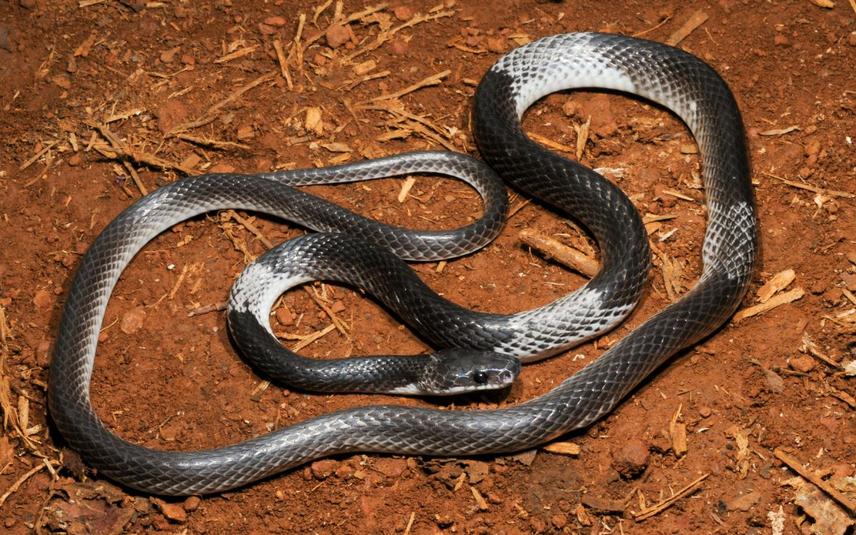
Mistaken for Kraits: The Indochinese Banded Wolf Snake (Lycodon neomaculatus) and Human–Snake Conflict in Central Vietnam. © Nikolay A. Poyarkov
This project aims to assess the diversity, distribution, and conservation status of Lycodon species in Vietnam’s Central Highlands through integrative field surveys, morphological comparisons, and molecular analyses. Systematic nocturnal surveys will be conducted in selected protected areas to generate verified occurrence records, habitat data, and GIS-based distribution maps. Laboratory analyses will clarify species boundaries and provide robust data to support national and global Red List assessments.
Despite being non-venomous, Lycodon snakes are frequently misidentified as highly venomous kraits (Bungarus spp.) because of their similar banded colour patterns. As a result, they are often killed by local communities. This misunderstanding contributes to unnecessary snake mortality and reinforces negative perceptions of reptiles. To address this issue, the project integrates community engagement as a core component. Training workshops for forest rangers, teachers, students, and local residents will improve snake identification skills, promote safe behaviour during snake encounters, and enhance understanding of the ecological importance of non-venomous snakes. Vietnamese-language educational materials will be developed and widely distributed through schools, ranger networks, and national citizen-science platforms.
By combining biodiversity research with practical conservation education, this project will generate essential baseline data, reduce human–snake conflict, strengthen local conservation capacity, and contribute to long-term forest biodiversity conservation in Vietnam.