Maimuna Mbwana Nzori


Sea turtles are facing numerous threats despite their role as an indicator of ocean health. Some of the threats include habitat destruction and marine pollution. The inclusion of these species in Appendix 1 of CITES (Convention on International Trade for Endagered Species), Kenya's Wildlife Act (Cap 376) and Fisheries Management and Development Act (Cap 378) further elaborates the need for their protection.
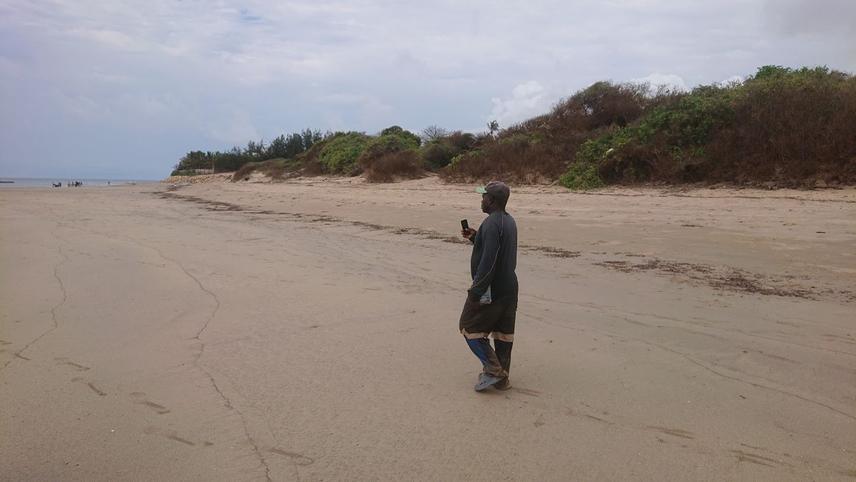
Patrol guide conducting routine monitoring of sea turtles, their nests, and anthropogenic impacts © Steve Mtalii
In Kenya, sea turtles are protected under The Fisheries Act Cap 378 and The Wildlife Act Cap 376, however, gaps persist in protecting nesting and foraging areas outside Marine Protected Areas. The expected study area (Magarini) is part of Malindi Ungwana Bay endowed with a large coastline suitable for turtle nesting and foraging, however less than half of it is unsuitable due to human influence. 3 turtle species (Green, Hawksbill and Olive Ridley) nest in this area and are listed in the IUCN Red List as Least Concern (recently-initially Endangered), Critically Endangered and Vulnerable respectively. The project aims at enhancing sea turtle conservation through a comprehensive conservation initiative.
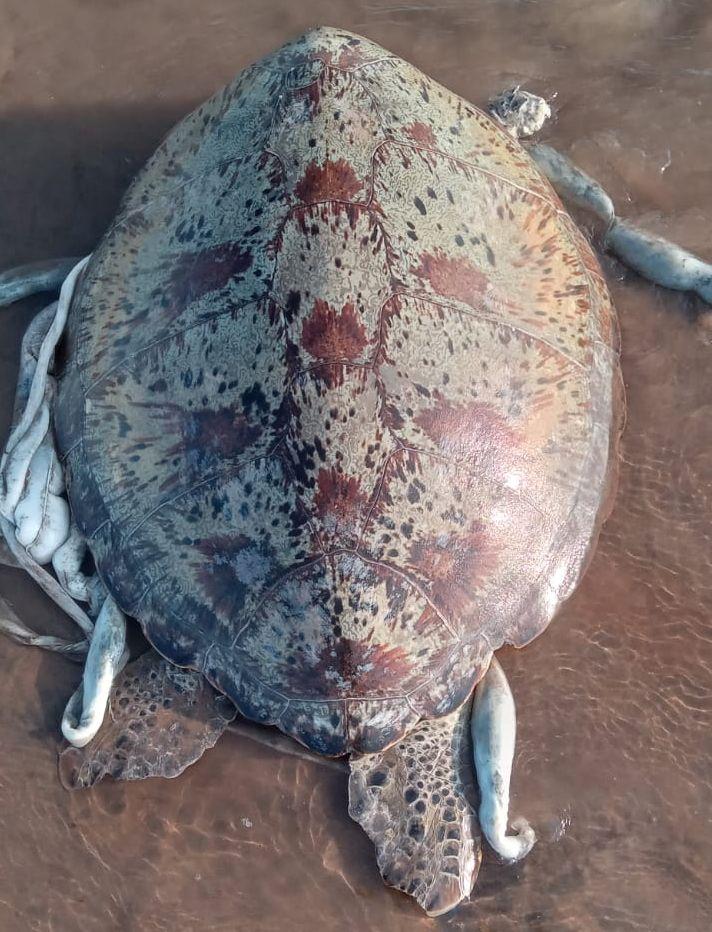
Patrol findings: A tragic reality - dead marine turtles (Green turtle) with evidence of illegal meat harvesting, underscoring unsustainable practices and the urgent need for stronger protection and awareness © Emmanuel Kenga
The project aims to increase awareness on the importance of sea turtle conservation, reverse their decline, safeguard and enhance the resilience of critical coastal habitats. It seeks to strengthen sea turtle conservation through community engagement, enhanced monitoring, and awareness campaigns. It focuses on protecting sea turtles in Malindi-Ungwana Bay by both habitat and community-based conservation. We will identify and protect key nesting and foraging areas through mapping, monitoring, and locally driven habitat restoration. We'll work with local turtle conservation groups, fishermen and wildlife authorities to teach communities how to fish without harming turtles, clean up beaches, and protect mangroves where baby turtles grow. Through simple Swahili guides, village meetings and school programs, we'll help everyone understand why saving turtles matters - for nature and for their own livelihoods. By training local volunteers to monitor nests and report problems, we'll create lasting protection for these ancient ocean travellers and the beaches they depend on.