Kushal Shrestha


Other projects
11 May 2021
Uncovering Illegal Bird Trade in Kathmandu Valley and Strengthening Public Awareness

The global population of Yellow-breasted Bunting has declined by 84–95% since the 1980s (Birdlife International, 2017) due to excessive trapping, superstitious beliefs, and agricultural intensification (Inskipp & Baral, 2010; Kamp et al., 2015). Eastern lowlands of Nepal serve as vital non-breeding grounds for the Yellow-breasted Bunting during winter. Recently, Katuwal (2025) recorded Yellow-breasted Bunting in Sunsari (n=211) and Saptari district (n=1). However, there has been a sharp decline in the population of many bird species, including Yellow-breasted Bunting, in the past 40 years (Inskipp et al., 2016; BCN, DNPWC, and DOFSC, 2024).
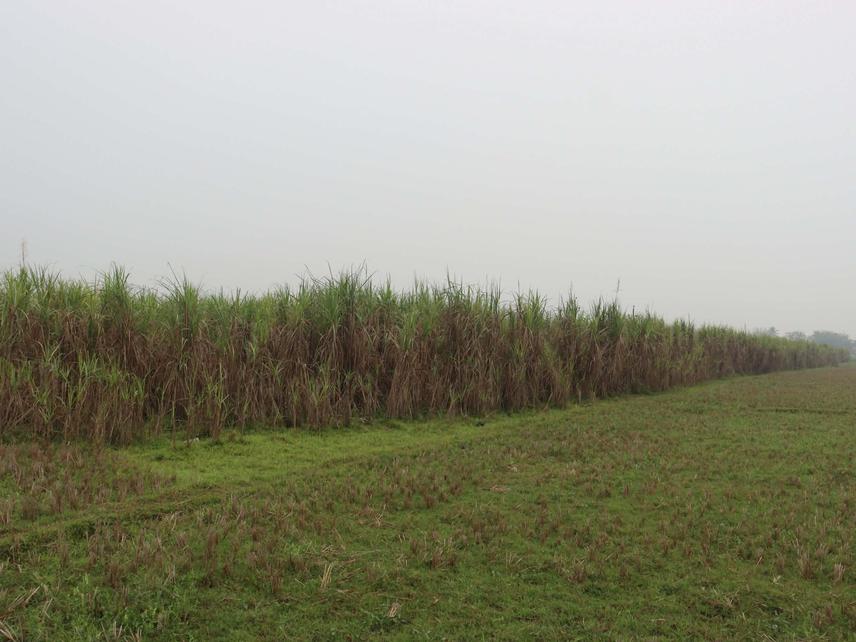
Sugarcane field. (c) Dipendra Madal
Over 115,000 birds including Yellow-breasted Bunting are illegally harvested annually in these areas, with 70% of stakeholders unaware of their illegality (Katuwal et al., 2023). Despite legal protections under national legislation, enforcement remains weak. We lack understanding of the motivations sustaining this trade.
Thus, we aim to conserve Yellow-breasted Bunting and its habitat by tackling key anthropogenic pressures, notably poaching and trade. It will investigate the motivation and deterrence behind illegal bird poaching and trade and implement targeted awareness/sensitization campaigns. Moreover, by enhancing the capacity of local enforcement agencies and decision-makers, the project will strengthen the implementation of existing conservation laws. A semi-structured interview and Choice Experiment (CE) will be performed to assess behavioral motivations and deterrents influencing illegal activities.
Following this a result-sharing workshop will be conducted to disseminate findings to guide policy and enforcement action. Further, we will create and disseminate awareness materials - hoarding boards and digital contents on social media.
At the end of the project around 100 respondents will be reached out for a choice experiment, at least 100 people will be aware about the conservation importance of Yellow-breasted Bunting and thus, expect a decline in Yellow-breasted Bunting poaching, trade and consumption.