Doreen Yitena Nkwain


Lichens are a symbiotic relationship between a fungus and algae or cynobacteria. The montane ecosystems of Cameroon’s Western Highlands represent a critical biodiversity hotspot in Africa. However, these areas face mounting pressures from forest clearance, expanding agriculture, excessive firewood harvesting, development projects, and shifting climate patterns that disrupt essential moisture conditions. Despite harboring remarkable numbers of endemic species, these habitats are experiencing accelerating degradation.
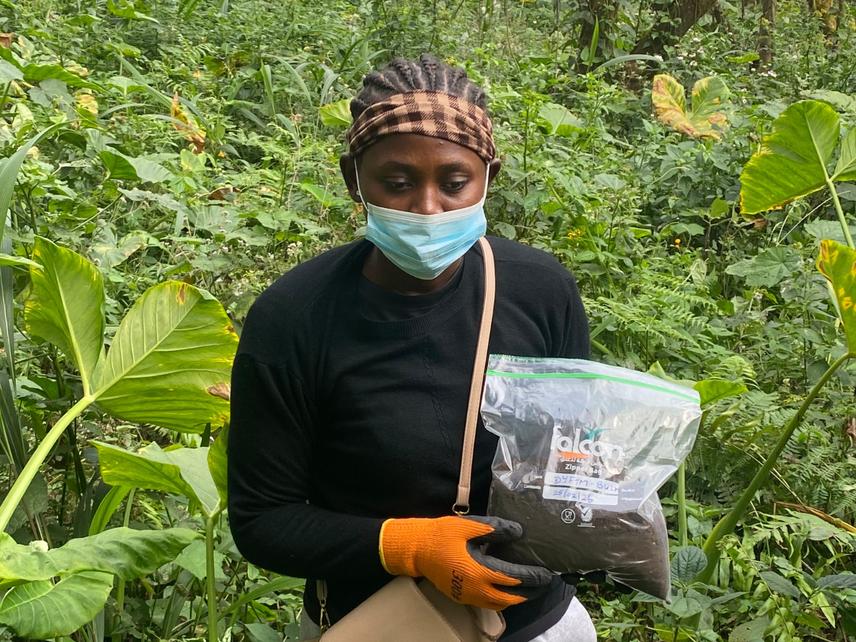
Soil Collection in Mount Cameroon National Park (c) Elad Kinge
Among the lichen species at risk in Cameroon are Arthoprenia nitescens, Lobaria pulmonaria, and others. Several host tree species in the area are threatened. As symbiotic partnerships, lichens serve as critical indicators of environmental health, atmospheric quality, and climatic shifts. Beyond their indicator function, they contribute to wildlife nutrition and play important roles in ecosystem processes such as nutrient cycling, while also holding cultural and economic value. Despite their importance, lichens remain among Africa’s most neglected organisms from a conservation perspective. The absence of comprehensive lichen inventories in Cameroon’s Western Highlands represents a crucial information deficit that hinders effective conservation strategies and the establishment of climate change monitoring baselines.
Communities inhabiting the Western Highlands depend heavily on forest ecosystems for essential resources including water supplies, fuel wood, agricultural land, and traditional medicines Indigenous groups such as the Bamenda and Bamiléké maintain deep cultural connections to these forested landscapes. Current patterns of resource extraction, however, are proving unsustainable and threaten both biological diversity and the welfare of local populations. Community members lack awareness regarding the essential ecological functions of lichens and their sensitivity to environmental degradation. This project will conduct the first comprehensive lichen and host tree diversity survey in the Western Highlands biodiversity hotspot (Kilum-Ijim Forest, Awing Forest Reserve, Bafut Forest Reserve, Santchou Faunal Reserve, Mount Bamboutos).
Through systematic field surveys, it will document lichen species, host plants, and habitats while assessing threats including deforestation, agricultural expansion, and climate change. Ethnobotanical interviews will capture indigenous knowledge on the uses of lichens as food, medicine, mytology and other uses. Community engagement will be fostered through partnerships with traditional authorities and school-based conservation education focusing on lichens and host trees conservation. By combining scientific research with local expertise, the project aims to generate critical baseline data for lichen conservation and build local capacity to protect these ecologically important but understudied bioindicators in threatened highland ecosystems.