Sathya Chandra Sagar Halehalli Sathyanarayana


Other projects
26 May 2022
Understanding the Biodiversity Conservation Benefits Under Carbon Finance Projects

Migratory birds are undergoing alarming population declines driven by direct and indirect human-related actions, which are exacerbated by climate change. These threats are particularly acute within the Central Asian Flyway (CAF), yet the region remains severely under-researched. Although passerines are the dominant migratory group in the CAF, little is known about their migratory routes, strategies for crossing natural (e.g., mountains) and anthropogenic barriers (e.g., cities), and the stopover sites crucial for rest and refuelling. This knowledge gap hampers the design of effective, flyway-scale conservation programmes. Addressing these gaps is a conservation priority as nearly 37% of the CAF’s 155 migratory passerine species are strongly declining, and the region presents some of the most formidable challenges to migration – both natural and human-caused, anywhere on Earth.
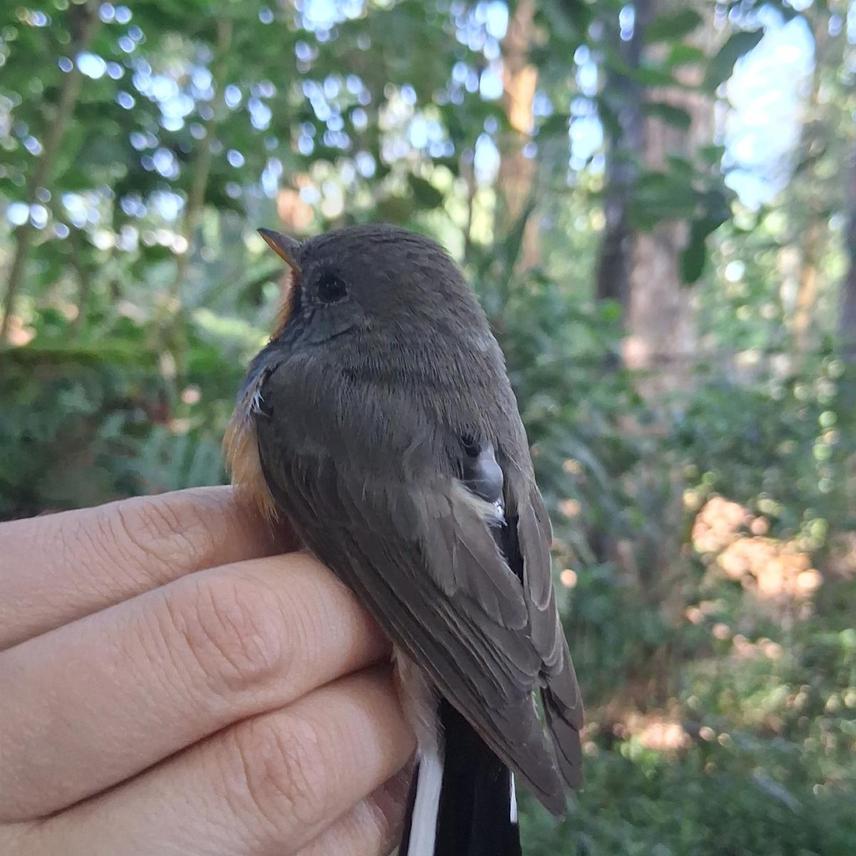
Kashmir Flycatcher (sex -Male; age - After Second Year) deployed with a multi-sensor logger. Photo Credit - H S Sathya Chandra Sagar
The Kashmir Flycatcher (Ficedula subrubra) exemplifies this crisis. Listed as Vulnerable on the IUCN Red List, its global population is estimated at only 1,500–7,000 individuals. It occupies a restricted breeding and non-breeding range and has received very limited conservation research. Through COMPASS Kash-Fly, our overarching goal is to lay the foundation towards evidence-based conservation of migratory passerines in the CAF using Kashmir Flycatcher as a flagship species. The objectives are:
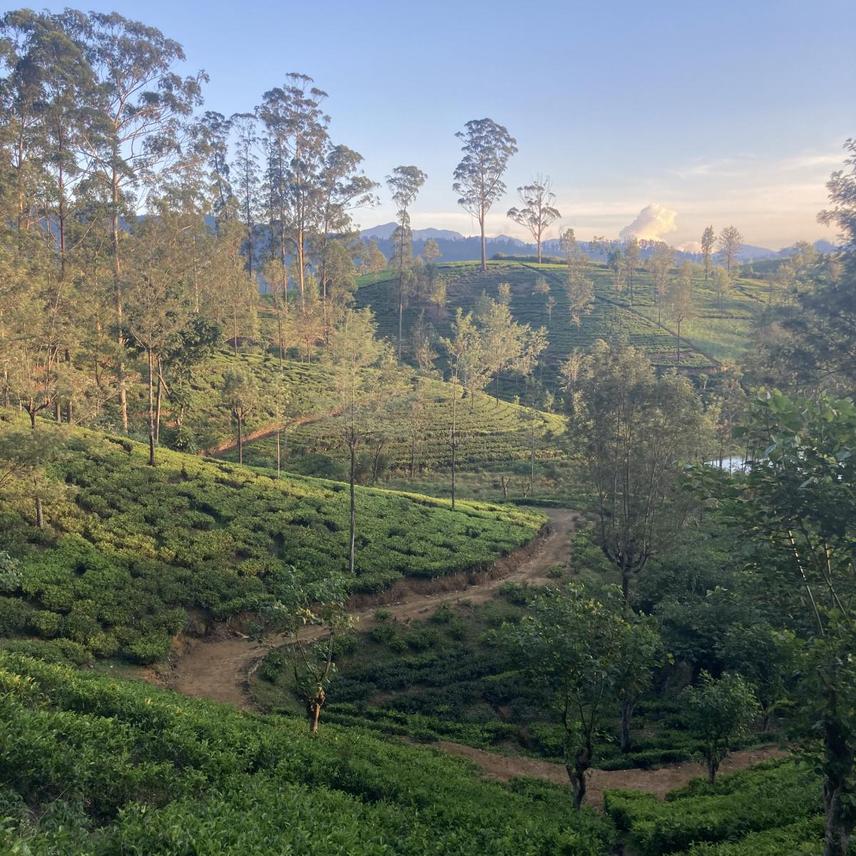
Tea Plantation Landscape: Fieldwork site - Tea plantations interspersed with forested valleys within high-elevation montane landscape of Sri Lanka. Photo Credit - Maia E Persche
1. Identify full-annual cycle migratory pathways: including routes, barrier-crossing strategies, and stopover sites, by collecting position data using multi-sensory loggers; and
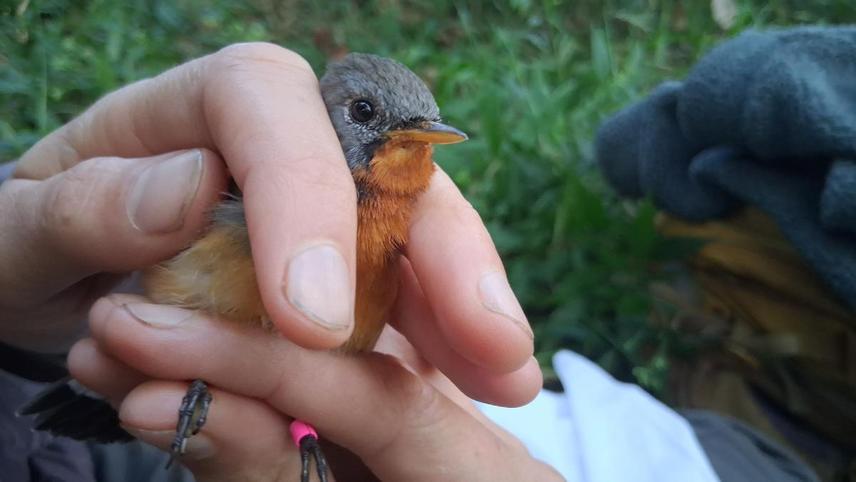
Kashmir Flycatcher - Male: Kashmir Flycatcher (sex - Male; age - After Second Year) captured to deploy multi-sensor logger along with colour ring. Photo Credit - H S Sathya Chandra Sagar
2. Quantifying the threats along these migratory pathways by integrating movement data with remote-sensing Earth observation layers to assess anthropogenic pressures.
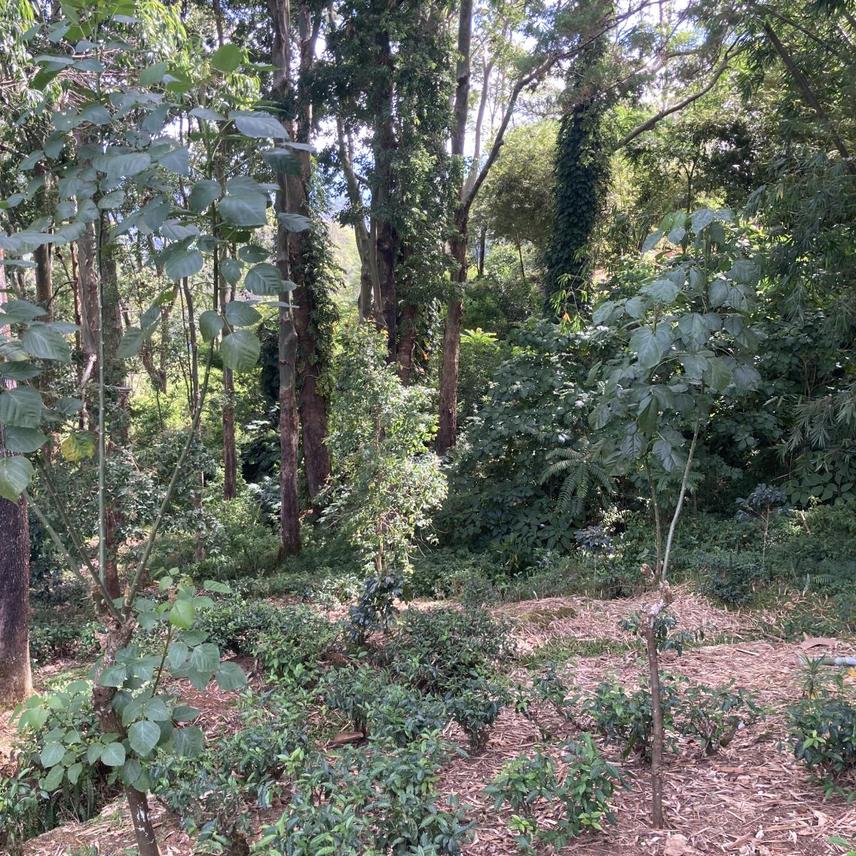
Home Gardens near Bungalows: Fieldwork site - Home gardens and backyards of old bungalows with good tree cover within high-elevation montane landscape of Sri Lanka. Photo Credit - Maia E Persche
By generating high-resolution data on migratory movements and associated threats, COMPASS Kash-Fly will enable the identification and prioritisation of critical sites for protection and restoration. As the first dedicated migratory tracking study of a passerine in South Asia, this project will provide a model for future cross-border conservation initiatives within the CAF and help catalyse coordinated action for migratory bird conservation across the region.