Sandra Goded


Other projects
10 Jan 2024
Critically Endangered Vulture Research and Grass-root Conservation: The Case for Urgent Action in West Africa with collaboration of Local Communities

African vulture numbers have collapsed in many places across Africa, including in Ghana, yet Mole National Park remains one of the few refuges for these birds. Targeted research and education around the park are vital to protect the remaining vultures that sustain savanna health, limit disease, and support local livelihoods.
We have been studying the vultures at Mole National park, northern Ghana for 6 years now, discovering crucial breeding grounds and analysing their population trends and movement ecology.
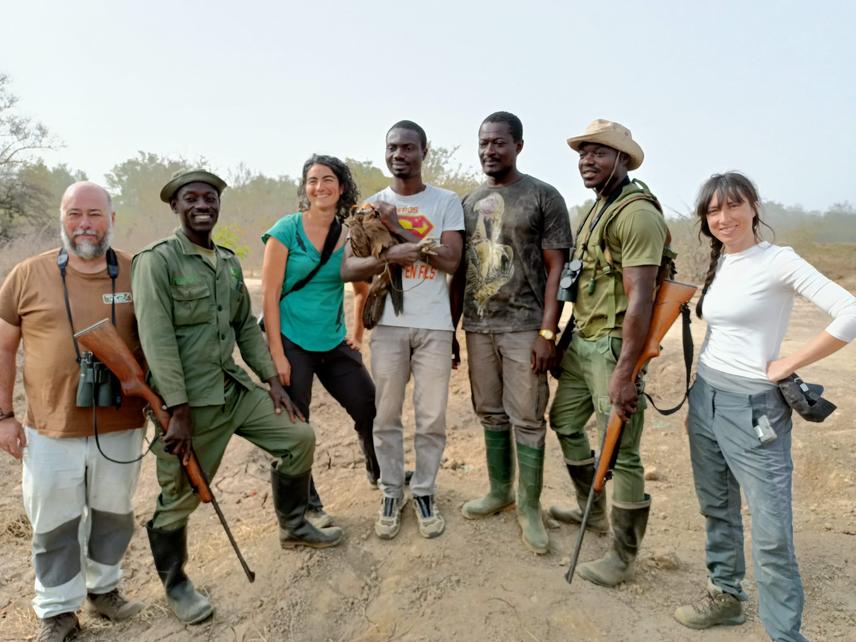
Part of team and collaborators with tagged Hooded vulture just before it was released in Mole National Park. (c) Juan José Iglesias
Last year, with much needed support from the Rufford Foundation, we added an educational and social perspective to our project. We worked on three communities around Mole, asking about their perceptions on vultures, about vulture identification, local names and uses, and their knowledge of vulture ecology and conservation.
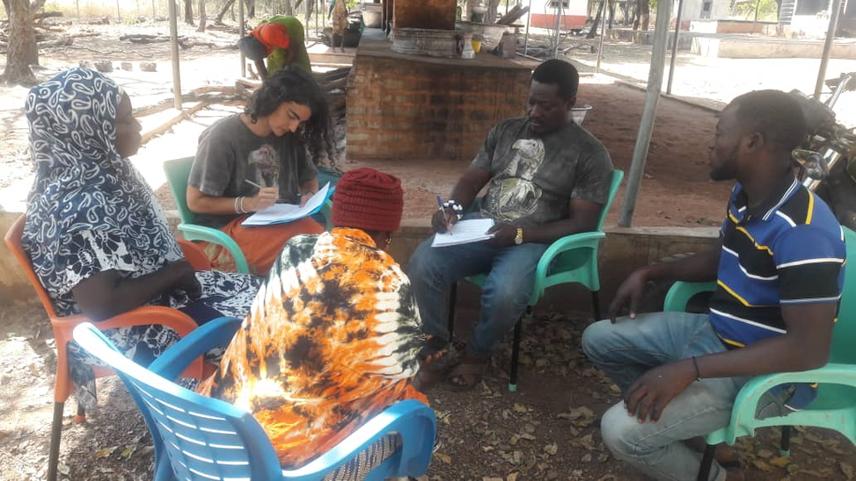
Sandra Goded and Nathaniel Annorbah performing interviews on vultures to community members at Yazori commmunity, close to Mole National park. November 2024 (c) Obed Chonga.
This year, thanks to the Rufford second grant, we will build on the past year´s achievements to continue our project on research of movement and breeding ecology of Critically-endangered vultures in Mole National Park. We will also continue investigating the traditional knowledge and perceptions of local communities on vultures and creating conservation awareness.
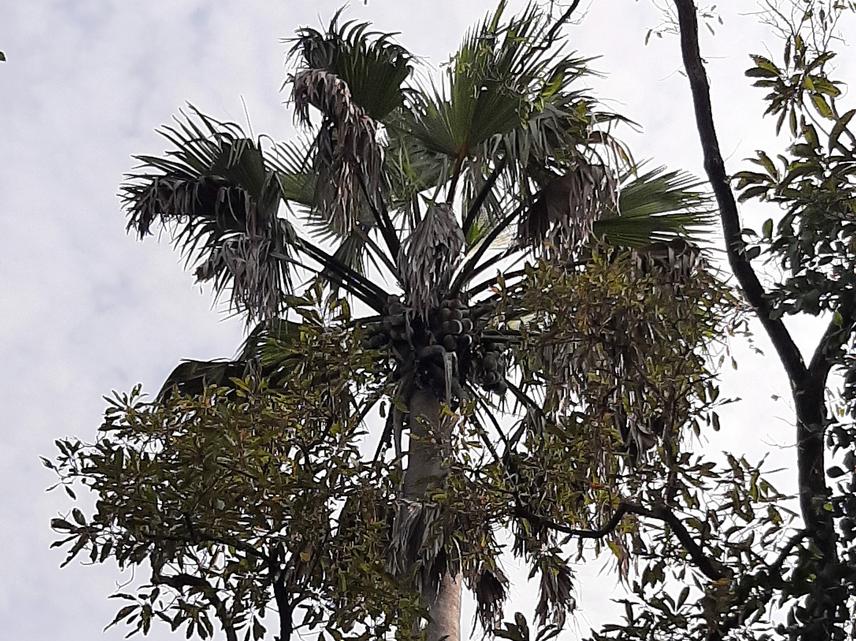
White-backed vulture´s nest in Mole National Park. November 2025. (c) Sandra Goded
Our main aims are:
1. Conservation of three critically endangered species: We will build on the past year´s achievements to continue our project on research of movement and breeding ecology of Critically-endangered vultures in Mole National Park. With the use of the past data and the addition of the data collected this year, we will study population trends for the focal species, paying special attention to the threats that explain those trends and their possible mitigation.
2. Create conservation education and awareness within the local communities both with and without vultures around them: We will continue investigating the traditional knowledge and perceptions in other communities around Mole and at different distances from the park so as to compare people´s knowledge in different areas.
3. Obtain knowledge on the movement ecology of the vultures: We will implement a novel approach combining radiotracking of individuals, road transects and point counts almost every day during the fieldwork period. We will continue collecting data on all vulture observations and nest abundances within Mole National Park, recording species, age class, sex and behaviour, with special attention to evidence of nesting. In addition, together with African and European collaborators, we will try to tag at least three more vultures from the three target species in order to understand their movement ecology.