Nguyen Thi Thu Phuong

This project will mainly support the conservation of the Pasman’s Crocodile Newt (Tylototriton pasmansi), a narrowly distributed amphibian endemic to northern Vietnam. The species is currently listed as Data Deficient (DD) on the IUCN Red List (IUCN SSC Amphibian Specialist Group, 2021), showing that basic information on population status and ecology is still lacking. At the national level, it is listed as Endangered (EN) in the Vietnam Red List of Threatened Species (Pham, 2023), indicating high conservation concern. In addition, the genus Tylototriton is included in CITES Appendix II, reflecting concerns related to international trade and the need for effective protection at source sites.
The project has four main objectives:
1. To quantify seasonal population dynamics of T. pasmansi.
2. To identify critical breeding periods and key habitats used across seasons.
3. To assess and prioritise threats using a Threat Reduction Assessment (TRA) approach.
4. To propose practical conservation solutions for site-level management.
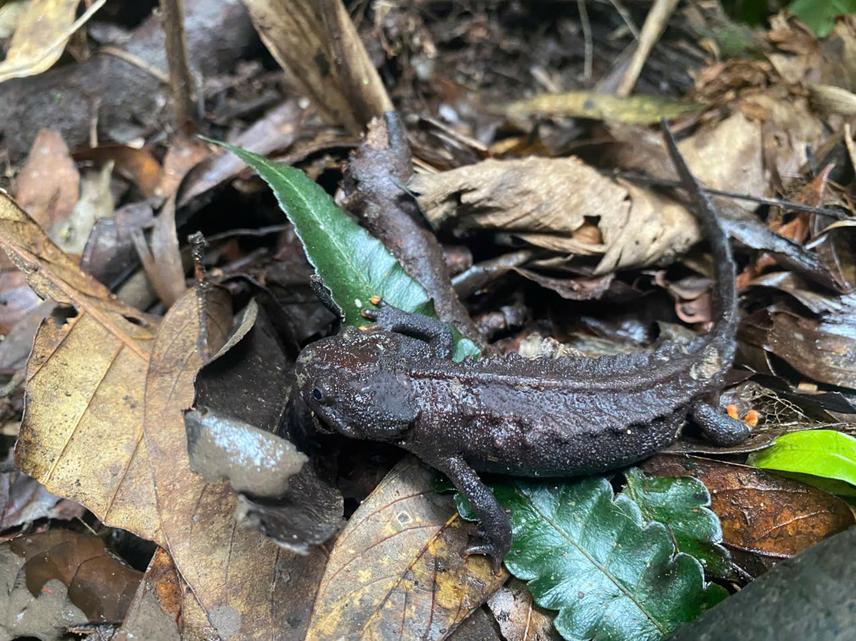
An adult individual of Tylototriton pasmansi (c) Phuong Nguyen
By monitoring the population across seasons, the project will provide year-round data on changes in abundance and detectability. This will help identify when the species is most active, breeding, and recruiting, as well as periods when it is less detectable and potentially more vulnerable. Understanding these seasonal patterns is important for planning effective monitoring and reducing disturbance during sensitive periods.
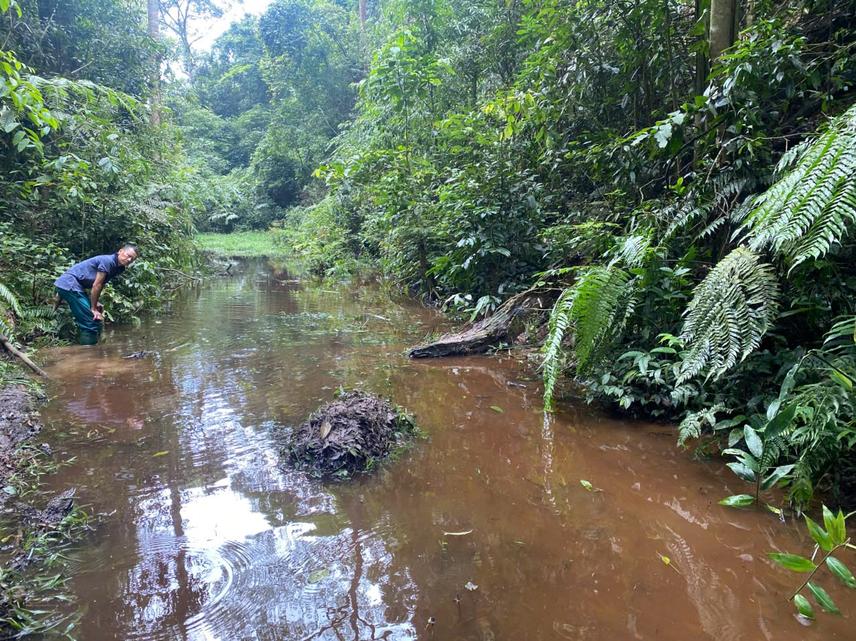
Habitat of Tylototriton pasmansi in Phu Canh Nature Reserve (c) Phuong Nguyen
The TRA component will identify and rank the most important threats affecting T. pasmansi and its habitats, such as disturbance at breeding ponds, changes in water availability, forest product extraction, and agricultural expansion. This assessment will be based on field observations and discussions with reserve staff and local communities, ensuring that the results are realistic and relevant to site management.
Based on the combined results of seasonal population monitoring and TRA, the project will develop clear and feasible conservation recommendations for Phu Canh Nature Reserve. These will include priority habitats, critical months when disturbance should be minimised, and practical actions that can be integrated into existing management and long-term monitoring plans. In addition to the focal species, improved protection of forest and forest-pond habitats will also benefit other species of conservation concern in the reserve, including species listed on the IUCN Red List and in the CITES Appendices.