Nenad Zlatić


Other projects
9 Sep 2022
Monitoring and Assessment of the Serpentinite Floristic Diversity with the Focus on the Endemic Species and Paraceterach marantae (L.) R. M. Tryon (Pteridaceae)

This project focuses on the conservation of unique serpentinite habitats in the Brdjani Gorge, Serbia, which support highly specialized and ecologically significant plant communities, including several rare, endemic, and threatened species. The area, although recognized for its exceptional botanical value, is not yet formally protected and remains vulnerable to human-induced pressures such as waste disposal, and infrastructure development.
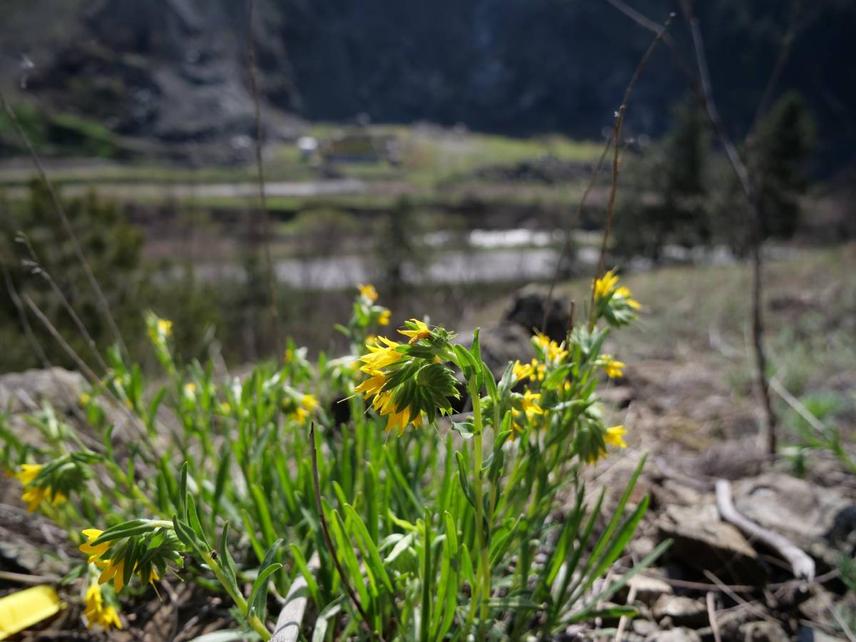
Endemic relict species Halacsya sendtneri in its natural habitat (Photo: N. Zlatić)
Building on the results of a previous Rufford-funded project, which successfully mapped the distribution of key species such as Paraceterach marantae, this follow-up initiative aims to expand the survey area from 15 ha to approximately 50 ha covering about 80% of the serpentinite zone. The broader spatial scope will allow for a more comprehensive assessment of plant diversity, habitat condition, and ecological threats.
The project has four main aims:
(1) to conduct detailed floristic surveys and spatial mapping of species distributions using GPS and GIS technologies;
(2) to evaluate environmental parameters and identify major threats affecting habitat integrity;
(3) to develop targeted conservation recommendations and promote sustainable land-use practices in cooperation with local communities; and
(4) to integrate findings into national conservation planning, including potential designation of the site as a protected area or Important Plant Area (IPA).
Community engagement is a core element of the project. Through participatory workshops, field-based consultations, and awareness-raising materials, local residents will be actively involved in threat assessment and in shaping practical conservation measures. Their knowledge will also inform long-term monitoring and management strategies.
Close collaboration with key institutions, especially the Institute for Nature Conservation of Serbia and relevant governmental bodies, ensures that the research results directly inform policy and land management decisions. The project will produce maps, habitat assessments, and species population data that will be shared with biodiversity databases and scientific networks, contributing to Serbia’s ecological network and Red List processes.
By combining rigorous ecological research with stakeholder-driven action, the project aims to provide a scalable model for the conservation of serpentinite ecosystems and enhance the protection of Brdjani Gorge unique flora.