David Wechuli


Other projects
26 Apr 2018
Potential Impacts of Climatic Change on the Foraging Efficiency of Species of Bats (Mammalia: Chiroptera)

15 Sep 2021
Sustainable Ecotourism and Conservation of Threatened Harrison’s Giant Mastiff Bat at Mount Suswa Conservancy, Kenya
11 Jan 2023
The Conservation of Threatened Harrison’s Giant Mastiff Bat at Mt Suswa Conservancy, Kenya
14 May 2024
Conservation of Threatened Harrison’s Giant Mastiff Bat at Mt Suswa Conservancy, Kenya
Mount Suswa Conservancy is recognized as one of fewer than ten critical global roost sites for the vulnerable Harrison's large-eared giant mastiff bat (Otomops harrisoni), making it an irreplaceable stronghold for the species’ survival. Our proposed project aims to secure both the roosting caves and the surrounding foraging landscape through a strong, community-centered conservation approach. By working closely with local communities, community-based organizations, youth groups, and landowners, we will build long-term stewardship for the species and its habitat.
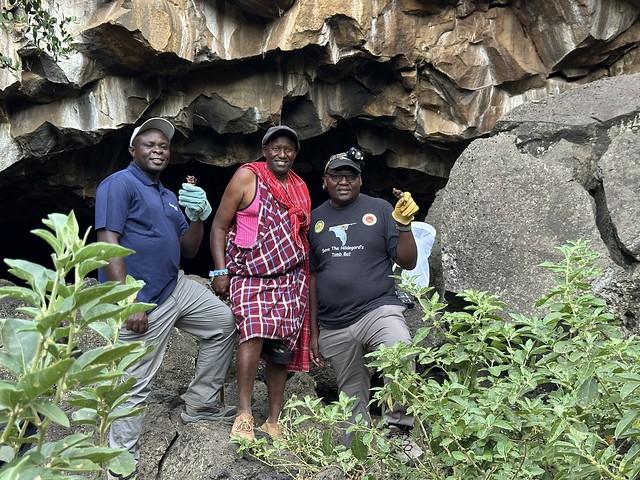
David, Jeremiah and Paul visiting Mt Suswa bat caves © Scott Hecker
A central component of the project is awareness creation, ensuring that residents understand the ecological importance of bats and the threats facing O. harrisoni. Through targeted outreach activities, school engagements, and village forums, we seek to reduce negative perceptions and promote coexistence. In parallel, we will conduct bat monitoring training for selected community members, equipping them with the skills to record bat activity, identify disturbances, and contribute meaningfully to long-term data collection.
To protect sensitive roost sites, the project will support the installation of gates or barriers at key cave entrances to regulate uncontrolled tourism and reduce human disturbance. Additionally, we will promote agroforestry practices and energy-saving technologies, such as fuel-efficient stoves, to reduce pressure on natural vegetation within the foraging zone. These activities will help maintain habitat quality while improving household resilience.
Clear and practical community guidelines will be developed to manage cave visitation and guano harvesting sustainably. At the same time, the promotion of nature-based ecotourism, including guided cave tours and hiking experiences, will create alternative livelihood options that encourage residents to protect, rather than exploit, the ecosystem.
Without the support of the Rufford Foundation, O. harrisoni will remain vulnerable to habitat degradation, roost disturbance, and limited local conservation capacity. This project provides an integrated approach that links ecological protection with sustainable community development, ensuring long-term conservation impact for Mount Suswa’s bat populations.