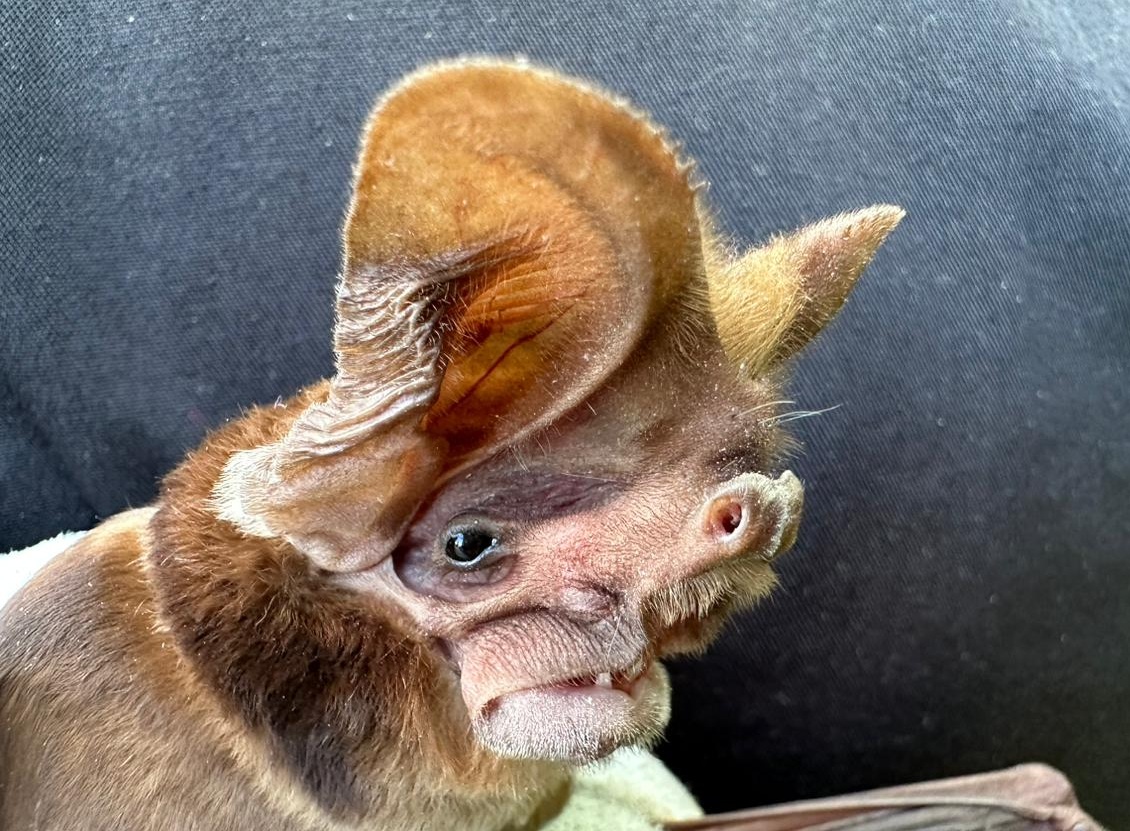
High above Kenya’s Rift Valley, the volcanic caves of the Mount Suswa Conservancy shelter one of the region’s most remarkable yet threatened species: the Harrison’s giant mastiff bat (Otomops harrisoni). These caves host vital maternity colonies, but the survival of this globally Vulnerable bat is increasingly at risk.
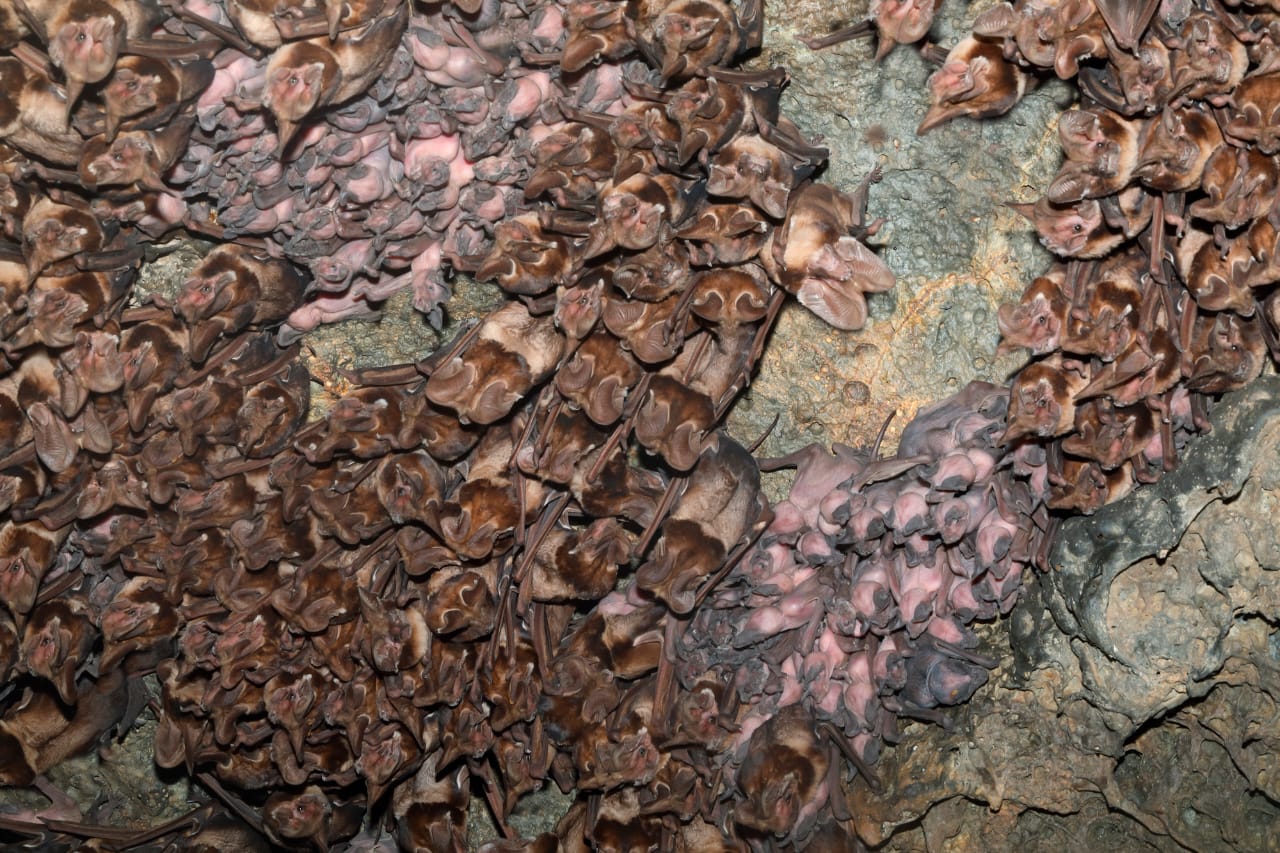 Harrison's large-eared giant mastiff bats roosting in Mt Suswa caves © Paul Webala
Every year, thousands of visitors descend on Suswa’s dramatic double-crater landscape to explore the area. Whilst ecotourism is an important source of local revenue, the Conservancy is now strained by forest loss and agricultural expansion, both affecting the bats’ key foraging grounds. Additionally, uncontrolled access to bat roosting caves may be impacting breeding success. As the environment becomes more altered, not only do the bats suffer but outdoor recreational experiences are diminished, with the encroaching presence of agriculture and human settlement reshaping both the ecosystem and the visitor experience.
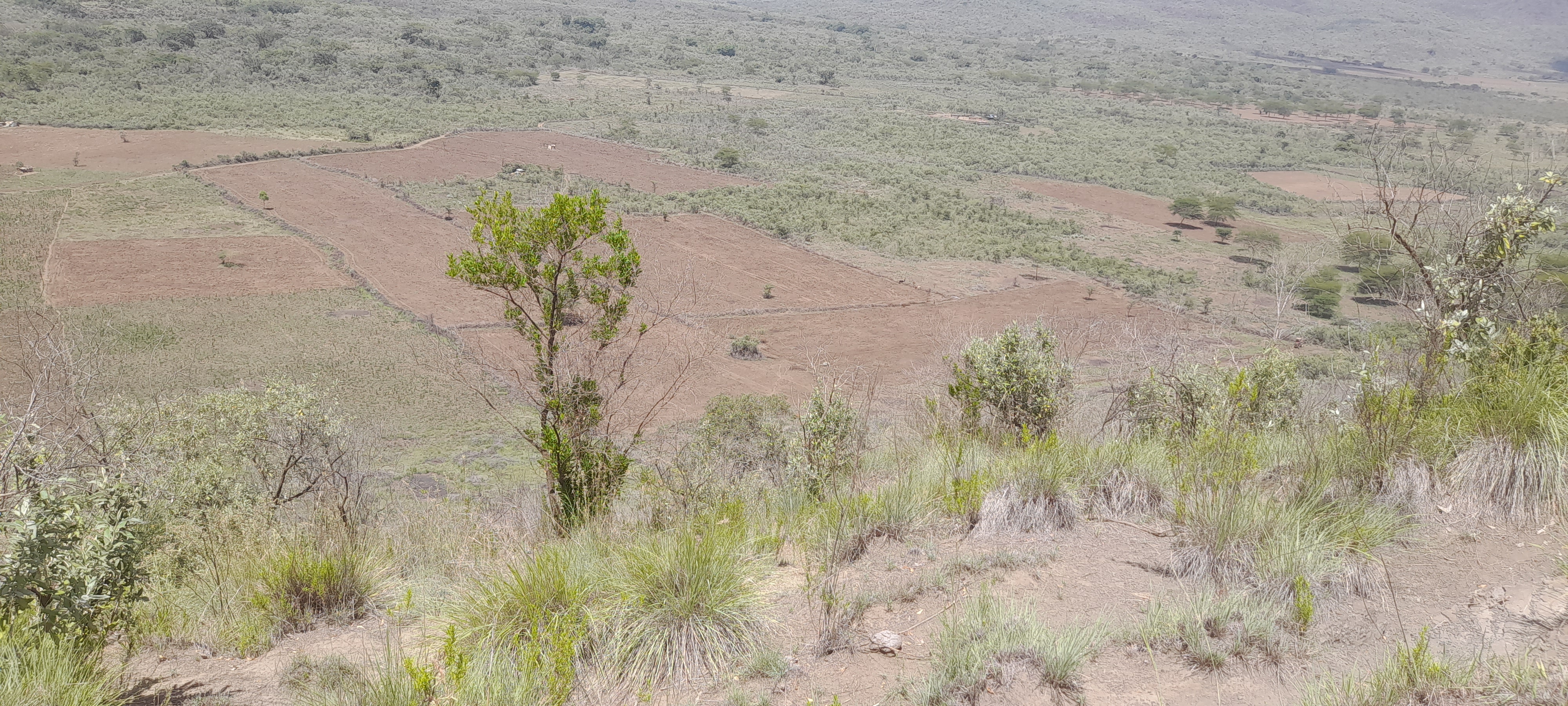 Clearance of Mt Suswa forest habitat to create room for agriculture © David Wechuli
Bats are essential for maintaining ecological processes and providing valuable services for human health and well-being. These mammals play a crucial role in controlling insect populations, helping to maintain a balanced ecosystem and preventing pest infestations. As a vital part of the region’s biodiversity, the Harrison’s giant mastiff bat is also economically valuable for ecotourism and related activities.
Collective cause for conservation
For the past five years, David Wechuli, has been at the forefront of bat conservation in Kenya. Wechuli has used four successive Rufford Small Grants to deepen protection efforts for the Harrison’s giant mastiff bat and its fragile roosting caves. His work has spanned identifying the primary threats to these volcanic cave systems, strengthening their management and promoting forms of ecotourism that safeguard rather than disrupt bat colonies.
He has also mobilised local communities in tree-planting initiatives aimed at restoring forest habitats essential for bat foraging and wider biodiversity, while contributing to climate mitigation. In addition, Wechuli has worked closely with farmers and pastoralists to build awareness around roost protection and monitoring, and has trained five dedicated bat guardians to manage cave access and share conservation knowledge with visitors.
According to Wechuli, “From a conservation perspective, these developments represent a significant advancement toward long-term, science-based protection of Mt. Suswa’s bat populations and the ecosystems they depend on. This work fills in important information gaps that have made effective conservation efforts difficult in the past.” Wechuli continues, “Knowing where bats roost, how they use their habitats, and which areas are most at risk lets conservation efforts be focused, timely, and based on evidence instead of guesses. These efforts also strengthen the scientific foundation needed to justify formal protection measures, such as the Key Biodiversity Area (KBA) designation, and help shape policies that safeguard vulnerable species like the Harrison’s giant mastiff bat.”
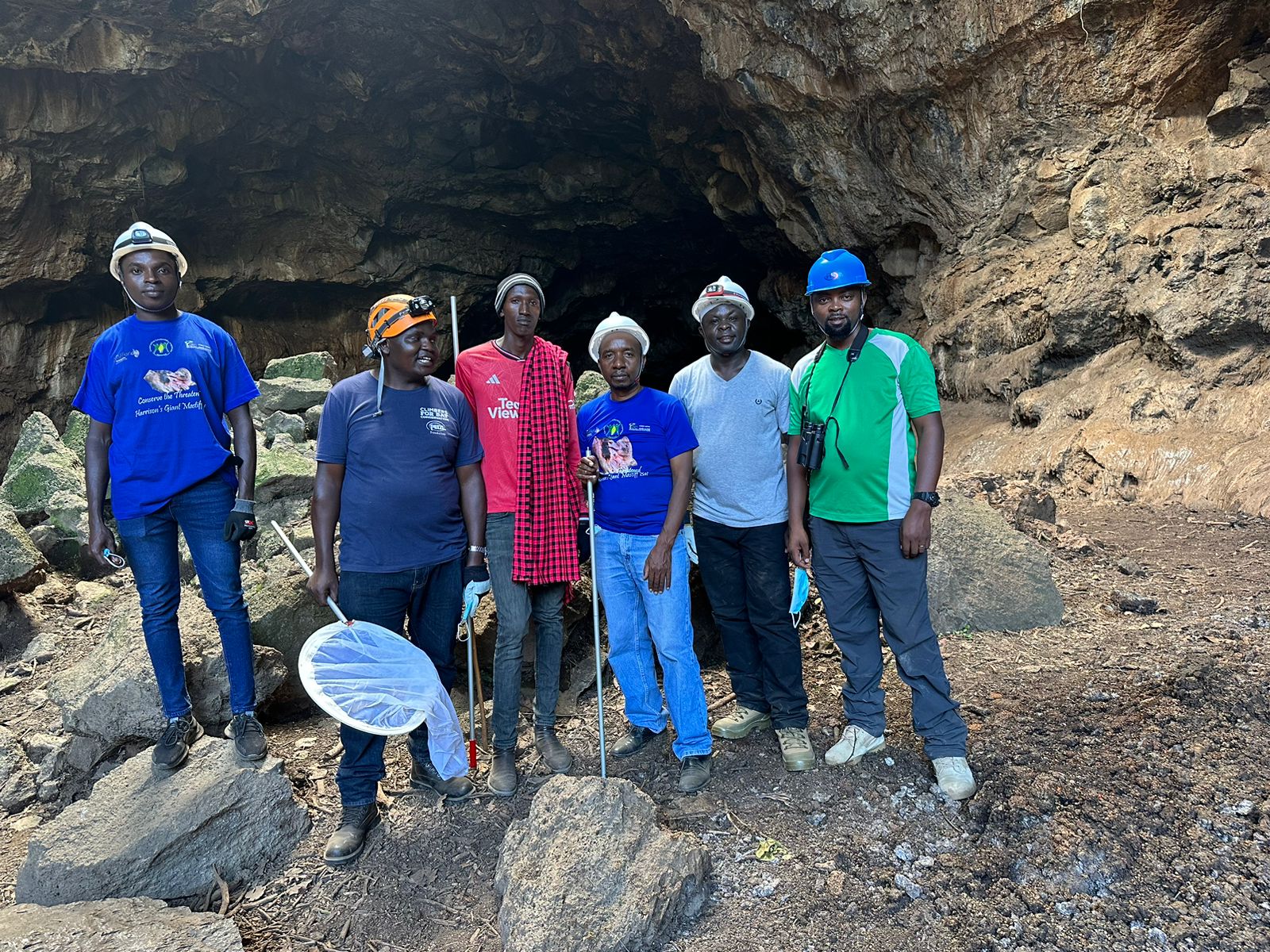 Team of researchers from Bat Conservation International, University of Kabianga, Maasai Mara University, Karatina University, Kipeto wind farm to assess Otomops harrisoni at Mt. Suswa caves © Simion Nkuito
Wechuli’s work in Kenya—combining field research with extensive community outreach—demonstrates how local awareness, scientific monitoring and collaboration with other experts strengthen efforts to protect fragile yet resilient bat populations. These experiences reveal that overcoming challenges such as habitat degradation, tourism pressure and cultural perceptions require both rigorous science and strong community partnerships for effective, lasting conservation.
The Future is Bright
Moving forward, Wechuli plans to expand and fortify conservation initiatives at Mount Suswa by building upon the groundwork established over the past five years. The primary objective is to strengthen community engagement through collaborations with local and international organisations. This approach will help broaden public access to reliable information about bats and encourage long-term commitment to safeguarding their habitats. Working with stakeholders, the team has begun the process of securing Key Biodiversity Area (KBA) status for the Mount Suswa Conservancy—a designation expected to elevate its recognition and attract stronger conservation commitments and investment in this unique landscape and its species. The Rufford Foundation is delighted to have recently awarded Wechuli with a Completion Grant to support him with this stage of his work.
Ultimately, conserving these bats means safeguarding the integrity of Mount Suswa itself—and ensuring its caves continue to echo with life for generations to come.
