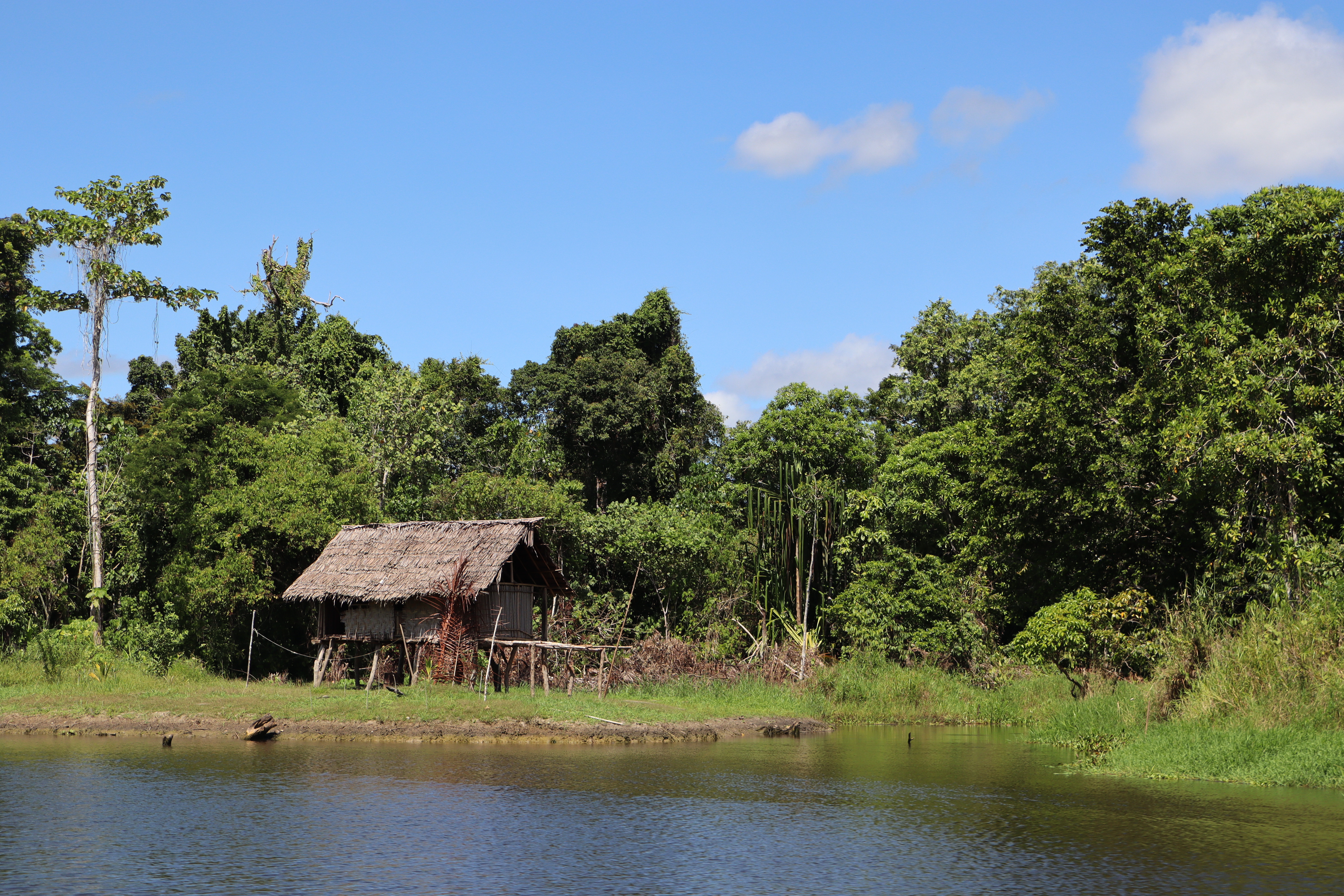
A freshwater fish thought lost to science for more than four decades has been rediscovered in Papua New Guinea’s Sepik River, highlighting what can be achieved when local knowledge, scientific expertise and conservation organisations unite behind a common goal.
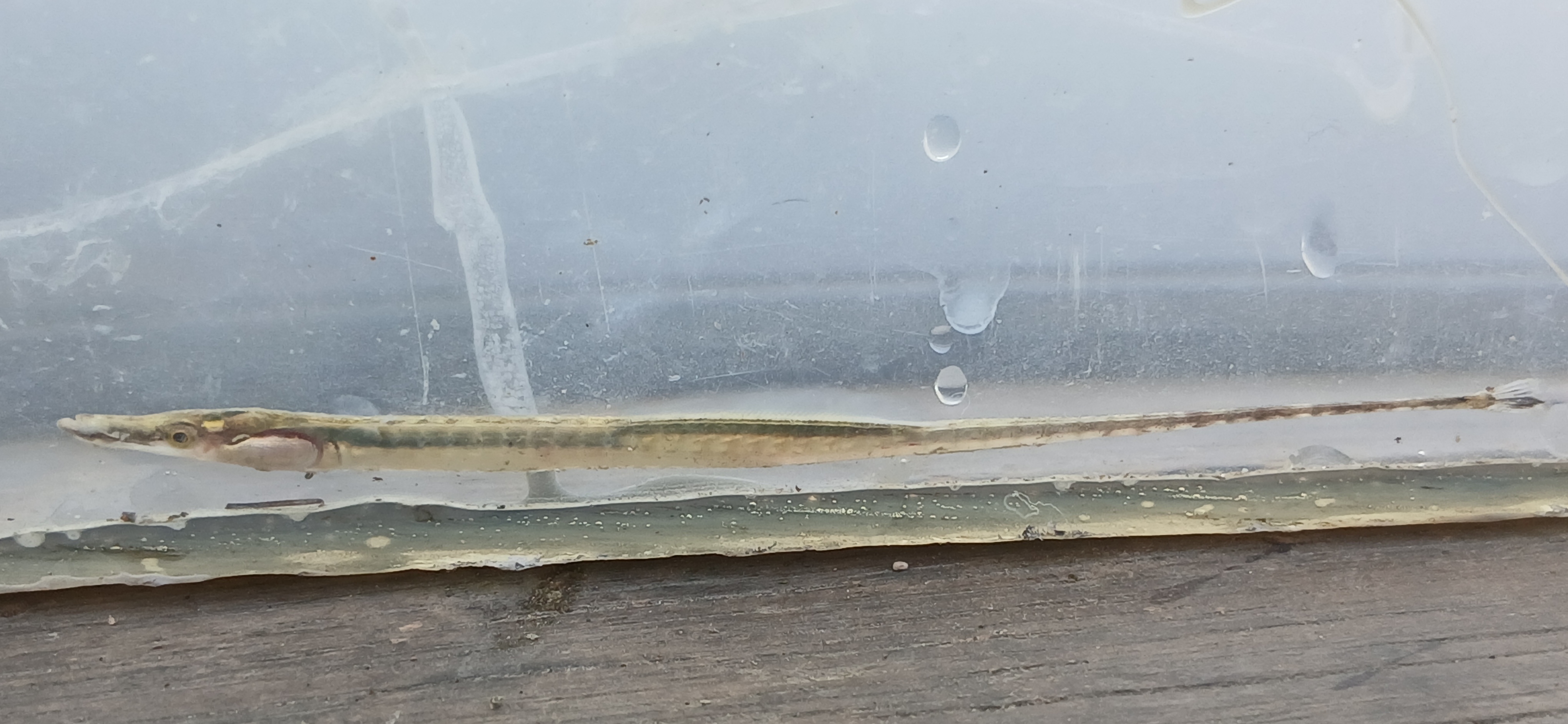 Spinach Pipefish © New Guinea Binatang Research Center
The spinach pipefish (Microphis spinachioides) had not been scientifically documented since surveys undertaken in the 1980s. With only a handful of historical specimens known, remarkably little was understood about its distribution, ecology or conservation status. The rediscovery of this species offers fresh hope that populations may still survive within one of the world's great tropical river systems.
Survey leader Jerrica Agebigo, an MPhil research student at the Papua New Guinea University of Technology and the New Guinea Binatang Research Centre (NGBRC), led a two-week expedition to the Lower Sepik River, with support from SHOAL and local communities. This work was partly funded by The Rufford Foundation.
 Jerrica Agebigo speaks at a community gathering in Oremai Village about the pipefish and its status © New Guinea Binatang Research Centre
The expedition combined conventional scientific fieldwork with local ecological knowledge. Researchers travelled by boat and canoe between villages, surveyed tributaries and wetlands, visited markets and interviewed fishers, elders, women who harvest freshwater prawns, market vendors and other community members, whose knowledge proved invaluable.
Communities described encounters with a long, pipefish-like species and provided information about its local names, habitat and distribution. Different villages held knowledge that had never appeared in the scientific literature, helping researchers identify where to focus their search. The breakthrough came at Imbando Village on the Main Sepik River. There, the team met Helen Asu, a local woman who regularly fishes for freshwater prawns using a traditional hand net known as an Umben. After seeing photographs of Microphis pipefishes, she recognised the fish and offered to look for it during her next fishing trip.
Helen caught two pipefish among her freshwater prawn catch along a densely vegetated riverbank and alerted the researchers. Three other individuals were observed over two consecutive mornings in the same area, suggesting that a local population may still survive there. Taxonomic examination confirmed that this was the fish they had been looking for. Acknowledging Helen’s crucial role in the find, Agebigo said, “Without her knowledge, initiative, and willingness to assist, the rediscovery may not have been possible”.
Communities have reported declining native fish populations, increasing numbers of introduced species and growing concerns about sedimentation caused by logging and mining, so there is no time to lose. Researchers now plan further surveys across the Sepik-Ramu Basin to establish where else the spinach pipefish survives and how large its remaining populations may be. They also hope to develop an environmental DNA method that could detect the species from water samples reducing the need to capture fish.
Papua New Guinea is home to extraordinary freshwater biodiversity, much of which remains poorly understood. The rediscovery of the spinach pipefish offers hope that other species missing from scientific records may still survive—and that, with the right support, local conservationists can lead the search to find them.
The Rufford Foundation has supported this project through SHOAL, a global collaborative initiative to halt the extinction and recover populations of the most threatened freshwater species in the wild.