Yahkat Barshep

Primates of the Amurum Reserve: their conservation status

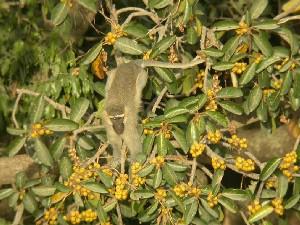
Tantalus monkey

LocationCountryCategoriesDate
LamingaNigeriaAfrica, Primates30 Aug 2007

In Nigeria, as in many parts of Africa, primate populations have been reduced to a fraction of their historical size due to hunt habitat destruction/alteration as a result of increasing human population. A survey of the primates within the Amurum Reserve will be conducted.
The aims of the project are to:

1) Know the primate species and densities within the Amurum Reserve
2) Examine habitat factors responsible for their distribution and abundance
3) Examine the extent of hunting activities within the Amurum community and the destination of hunted primates and possible cultural reasons for hunting within the Amurum community.

The primate survey will involve 3 months of dry season and wet season survey each. Transects will be placed to cover all major habitats within the reserve. The age and sex of the primate species, group size, distances of individuals or group from transect will be measured with a laser range finder. The distance of primates to the nearest human settlement will also be noted. Habitat variables such as the number of trees and tree species, tree height, number of fruiting trees, canopy cover and distance to water, rock or farmland.

For more information contact byahkat@yahoo.com or go to http://www.aplori.com

Project Update: July 2007

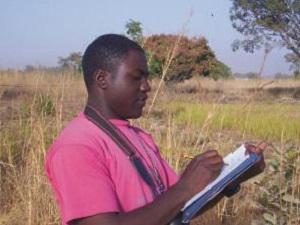
My helper Akwashiki recording observations

Between February and April 2007, the dry season survey to identify the primates of the Amurum Reserve and surroundings, and questionnaire sessions to evaluate frequency of primate sighting, hunting pressure, and reasons for hunting was concluded.

Primates recorded were Chlorocebus tantalus, Galagos (one sighting), and possibly Chlorocebus aethiops (awaiting identification). Primates were mainly sighted in scrubland fringed by rocky outcrops. Equal proportions of adults and juveniles were recorded suggesting this may be the breeding season.

60% of people randomly interviewed were farmers, 16% students, 9% traders, and 5% government workers. 7% of the farmers were also hunters. Primates were seen all year but mostly during fruiting and harvest season. 48% of those interviewed have killed primates. The major reason for killing primates was crop destruction (82%) and for sales (13%). The skin and tails of many primates are often used as ornaments by the men during traditional festivals.

Primates were seen feeding on fruits of Ficus sp (42%), Pakia biglobosa (24%), Mango (16%), Albizia Lubbock (9%), and Meliaceae guarea (9%).

Primates that were seen during other surveys on the Jos Plateau were Papio anubis and Cercopithecus nictitans.

Final Report

Read more about the activities undertaken and findings of this project in the final report below.

File DownloadSize
RSG final report.doc217 KB

Other Projects in: