Colleen Begg

To secure viable populations of large carnivores (lion, leopard, hyaena ) in NNR, which also supports 25000 people, by minimizing the negative impacts large carnivores have on communities (injury, death, stock theft) and reduce negative effects humans have on carnivores (retaliatory killing, snaring and sport hunting of underage animals).
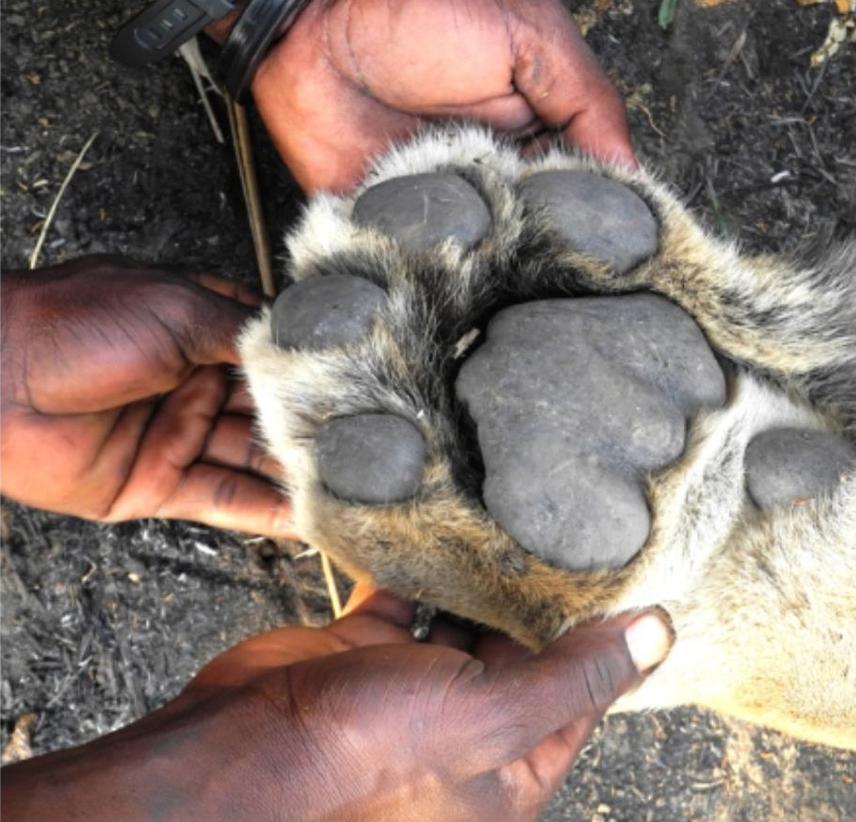
Niassa National Reserve (NNR), located in northern Mozambique is an immense wilderness area of 42 000 km2. It is the largest protected area in Mozambique and one of Africa’s most undeveloped wild areas. Despite decades of conflict and neglect NNR has survived intact and supports the country’s largest populations of wildlife, including the large carnivores (lion, leopard and spotted hyaena). As a group, these carnivores are ecological indicators of the “health” of the NNR ecosystem, are of international concern and provide critical revenues for communities and management through eco-tourism and conservation hunting initiatives. They may also play an important, but largely unappreciated cultural role.
The reserve is unusual in that 25,000 people live inside the protected area, distributed across 40 villages and the costs to these communities living with carnivores may be considerable (injury, loss of life, stock loss etc.) particularly if the carnivore populations increase in response to recovering prey populations and improved protection. Potential threats to these carnivores include retaliatory killing, snaring, and the hunting of underage individuals. Targeted, pragmatic research and extension work developed in collaboration with the reserve’s management authority (SRN), local communities and hunters are essential for future conservation efforts. In NNR there is a unique opportunity to secure these populations and develop mitigation strategies for human-carnivore conflict before a crisis develops and support for conservation initiatives is eroded. In addition, NNR provides an opportunity to make a significant contribution to the global conservation of large carnivores simply by virtue of the relatively substantial numbers of carnivores that are already supported here.
Our objectives over the next three years (2007-2010) are to:
1. Extend and refine the community-monitoring program to provide ongoing assessment of human-carnivore conflict.
2. Examine the local contexts of large carnivore attacks (humans, livestock) and in so doing identify, test and finally implement locally-based, practical solutions with the active participation of local communities.
3. Use targeted research to investigate large carnivore status and ecological requirements, and develop indicators that can be used for ongoing monitoring.
4. Develop and implement conservation hunting guidelines and trophy monitoring systems for all the large carnivores to ensure sustainable conservation hunting. This will include development of measurable indicators of sustainable off-take and validation of visual aging cues.
5. Ensure monitoring and mitigation strategies are sustainable (not researcher driven) by providing appropriate training to reserve staff and community scouts.