Bárbara Galletti and Vernazzani Muñoz

The Centro de Conservación Cetacea's Alfaguara project seeks to effectively combine long term research, educational and capacity building programs with the objective of developing innovative marine conservation proposals oriented to safeguard the rich biodiversity of the area and guarantee the sustainable development of the communities involved.
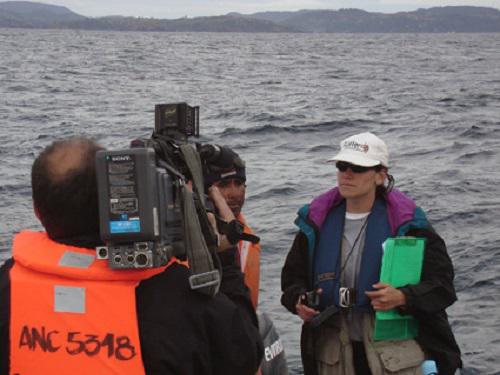
The northwestern of Isla de Chiloé has a great diversity of marine fauna, including blue, sei and humpback whales; Chilean and Peales dolphins; sea lions, marine otters, and Magellan and Humboldt penguins. Nevertheless, this relatively undisturbed area faces different threats, like urban development, habitat degradation, land and marine pollution.
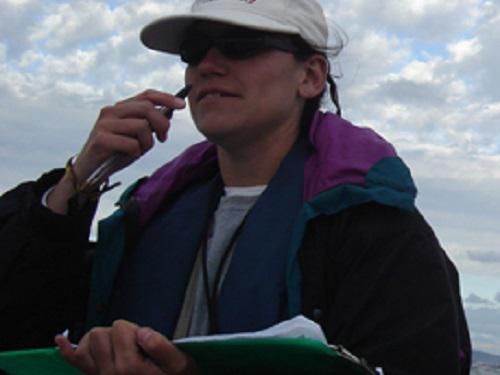
Barbara Galletti. ©Constanza Poduje.
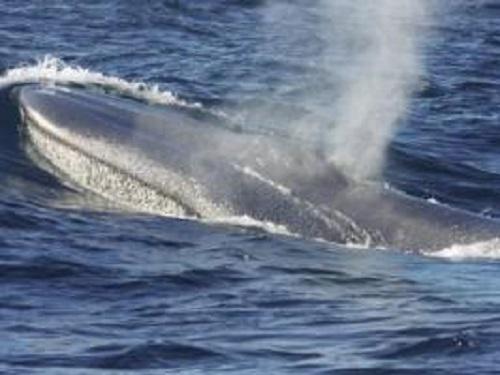
The Alfaguara project seeks to effectively combine long term research, educational and capacity building programs with the objective of developing innovative marine conservation proposals oriented to safeguard the rich biodiversity of the area and guarantee the sustainable development of the communities involved.
Its new stage “Marine Conservation through Marine Ecotourism” is the result of three years of cooperative work with local communities and it reflects the concerns and solutions of people that have been dependent all their lives in the ocean and that had experience first hand the results of irrational exploitation of nature. Responsible marine ecotourism requires careful planning, management and scientific monitoring to guarantee the conservation of the area and generate long term benefits for the community. Through the Alfaguara Project, we will work closely with the community to strengthen capacity building and establish clear objectives that can be implemented in the near future through appropriate management actions.
The activities planned for the period 2006-2007 includes cetacean research program; workshops on marine ecotourism; first hand experience exchange with tourist operators of Argentina; recreational carrying capacity study around the Puñihuil Island for penguin tourism; design of Land-Use Proposal of the Puñihuil Beach; and design of a Sustainable Community Based Management Plan.
Thus, Alfaguara Project: Marine Conservation trough Marine Ecotourism starts a new experience in Chile that looks for an innovative alternative to ensure marine conservation, that could be replicated along the country and implemented has a community based model in future management plans for marine protected areas in Chile.