Abhijit Das

Other projects
9 Oct 2006
Diversity and Distribution of Herpetofauna and Evaluation of their Conservation Status in Barail Hill Range, (Including Newly Declared Barail WLS,) Assam, Northeast India

25 Jun 2012
Herpetofaunal Distribution Pattern along an Elevational Gradient in Barail Hill Range, Northeast India: Evaluation in the Context of Conservation Priority
We plan to continue herpetofaunal Inventory at the higher altitudes of Barail Hill Range (1000-2500m). Delineating the distribution pattern and working with local communities the project aims to develop a basis necessary for the long time conservation of the Herpetofauna of Barail Hill Range.
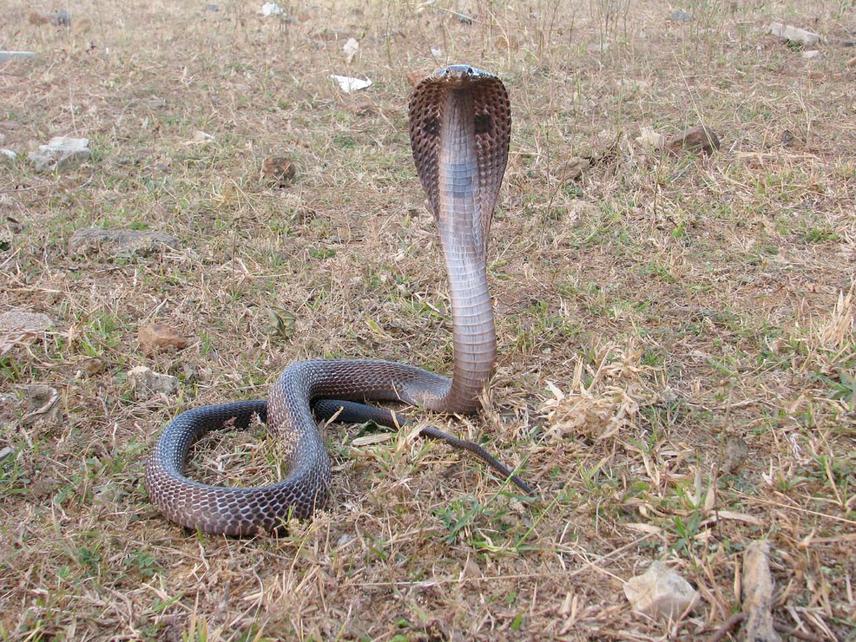
Barail hill range of Northeast India is a important landscape of Indo-Burma biodiversity hotspot owing to its bridging position between the Jainta/Khasi and Manipur Hills of Northeast India, facilitating faunal dispersal from the higher ranges to the east and northeast. However, little was known about the Herpetofaunal diversity of this montane region. To fill in this gap in knowledge the “Barail Herpetofauna Project” was initiated in the year 2007 with an aim to develop a Herpetofaunal database through field research and initiate conservation awareness for providing a basis for long term conservation of Herpetofauna of Barail range.
In the first year of study, field surveys covered the lower elevations of the hill range mainly in and around newly declared Barail Wildlife sanctuary of Assam (see, Das, 2008). However, the mid to higher elevations (Biome 8 [Sino-Himalayan subtropical Forests] at 1000- 2000 m) of Barail range still remain un-surveyed. So we plan to initiate fresh fieldwork to enhance our understanding on Barail Herpetofauna and continue outreach and awareness activities for long term conservation of Reptiles and Amphibians of Barail hill range.
We plan to conduct Diurnal and Nocturnal field surveys to locate the reptiles and amphibians. Visual encounter survey, Survey at breeding sites in appropriate terrestrial and freshwater habitats will be conducted. All taxonomic data, habitat data will be gathered and backed up with photography. “Relative abundance” of each species will be assessed based on the cumulative number of encounters of individuals of a particular species during the whole duration of the study. The collective distribution data from various altitudinal grades will be used to identify the “typicalness” of the herpetofaual assemblage of Barail Range. We expect to document significant new range record and even species new to science. The detailed database of the Herpetofaunal distribution pattern in an elevational gradient will help in Bio-geographic analysis and thus help in filling up the gap in Herpetofaunal knowledge of North-eastern Montane region. The study likely to generate crucial information on “conservation dependent species” and “ecologically sensitive species,” and their life history requirements, and possible vulnerability to harvesting and forest conversion. Outreach program that will help in awareness among local villagers and community members of community declared forest (Khonoma Nature Conservation and Tragopan Sanctuary, Nagaland) besides Forest department staffs and students. The project will help build capacity among young research team members and survey participants as future potential researchers, environmental educator and communicators.